




What Accuracy Tolerance Should You Demand From a Mining Truck Scale?
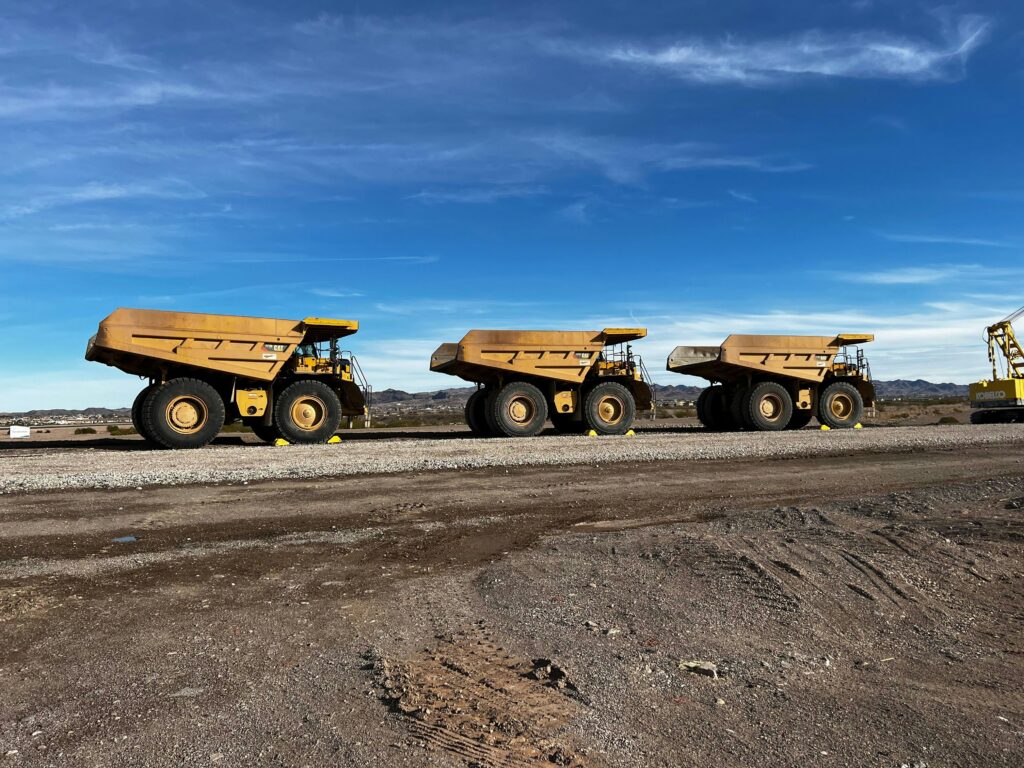
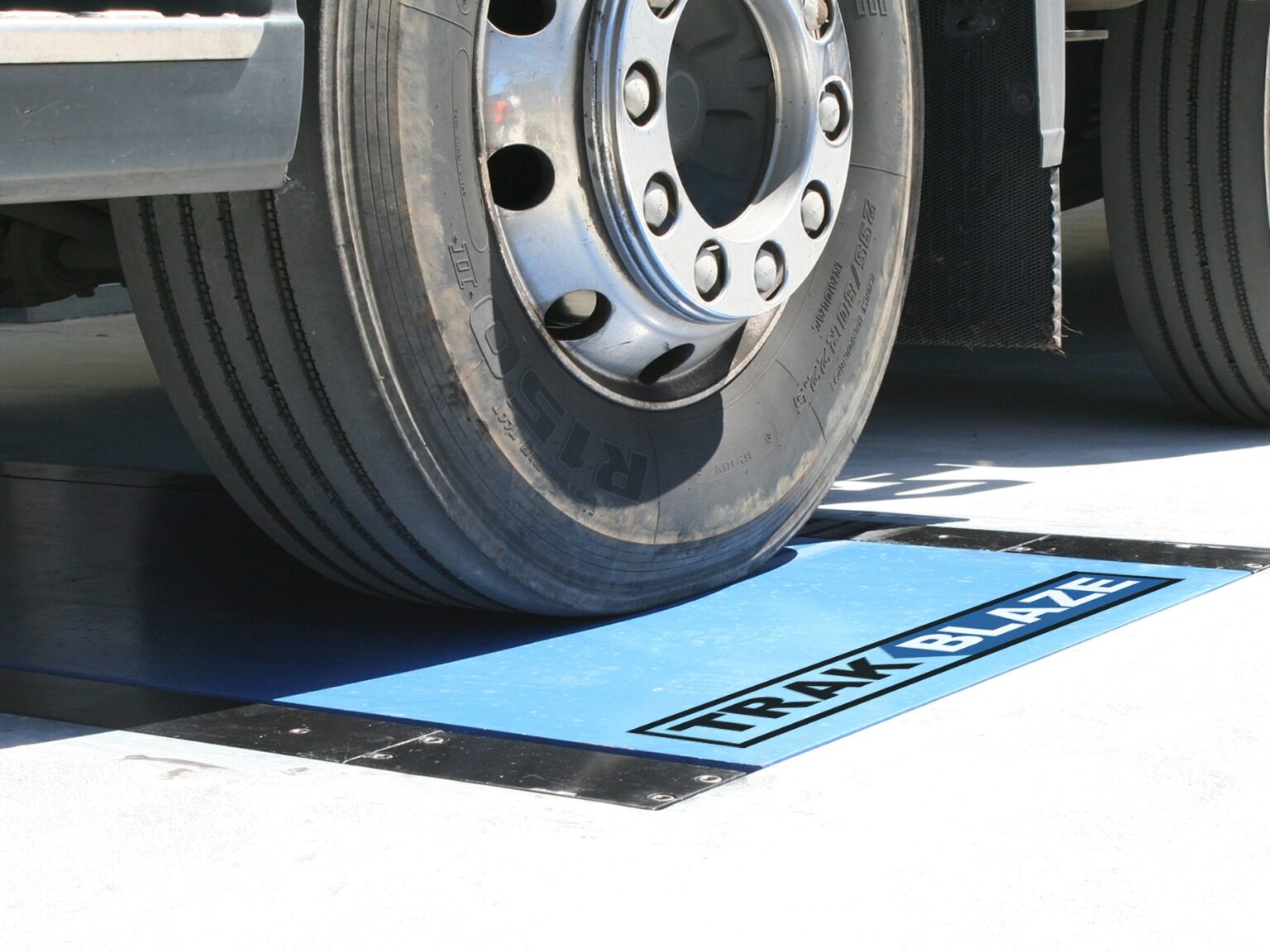
A 2% weighing error doesn’t sound significant until you calculate it on a 40-tonne haul truck. That’s 800 kg off target on a single trip. Scaled across an entire operation, those discrepancies impact productivity, costs, and operational efficiency.
Wired vs Wireless TRUCKMATE Configurations: Which Suits Your Layout?
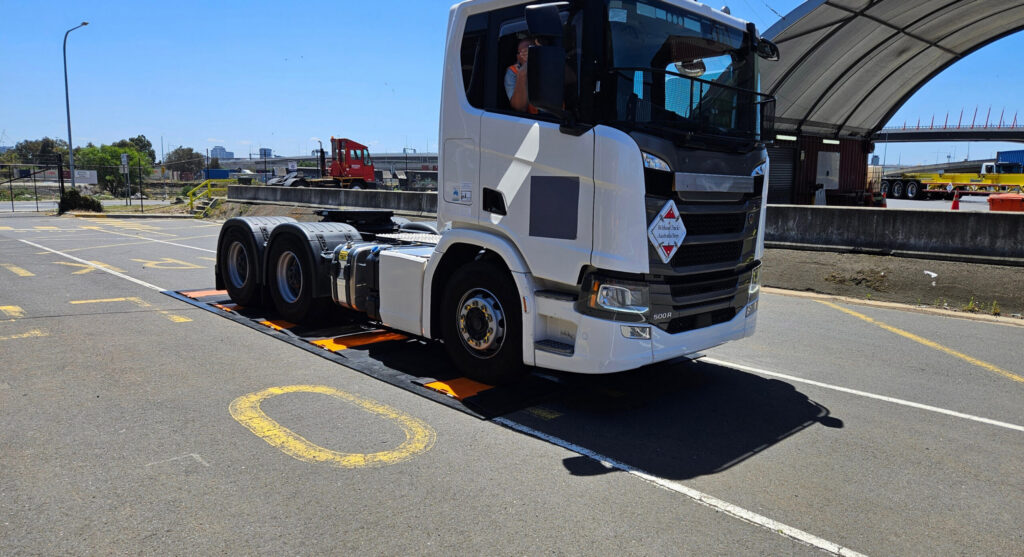
Accurate truck axle weighing is a core part of daily operations across road transport depots and logistics yards. Whether your goal is preventing axle overloads, staying compliant or improving load visibility, how reliable that weighing process is depends on your system setup and where it sits within your site layout.
The Business Case for Upgrading from Static to In-Motion Rail Weighing
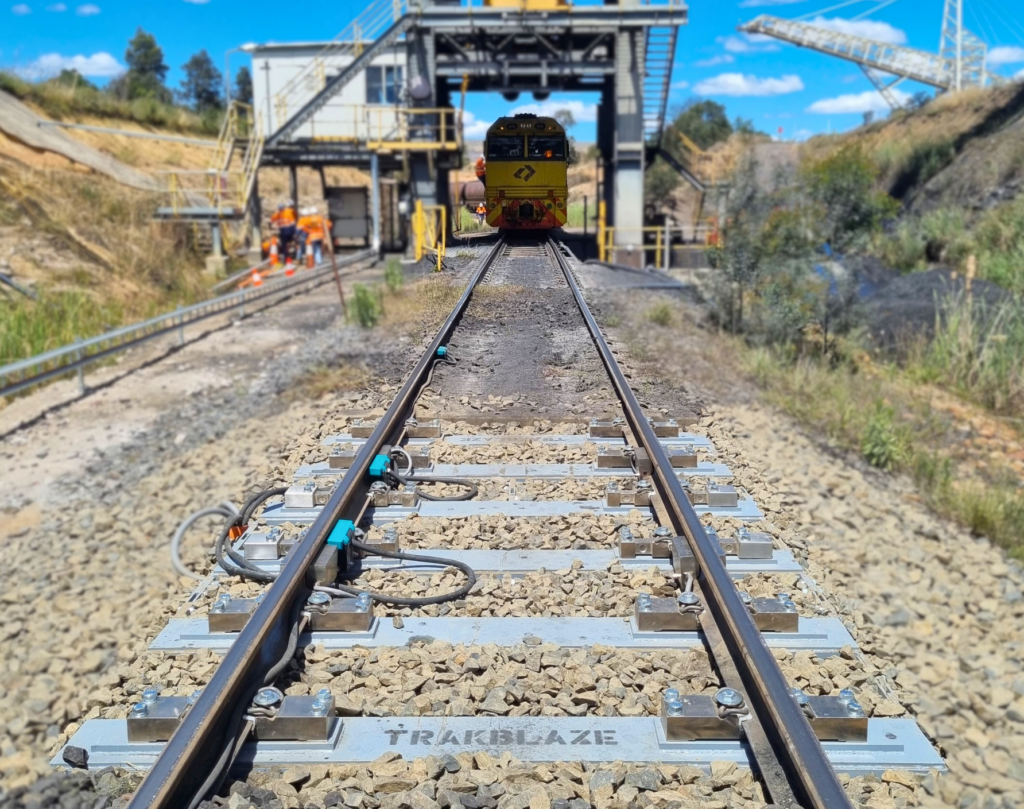
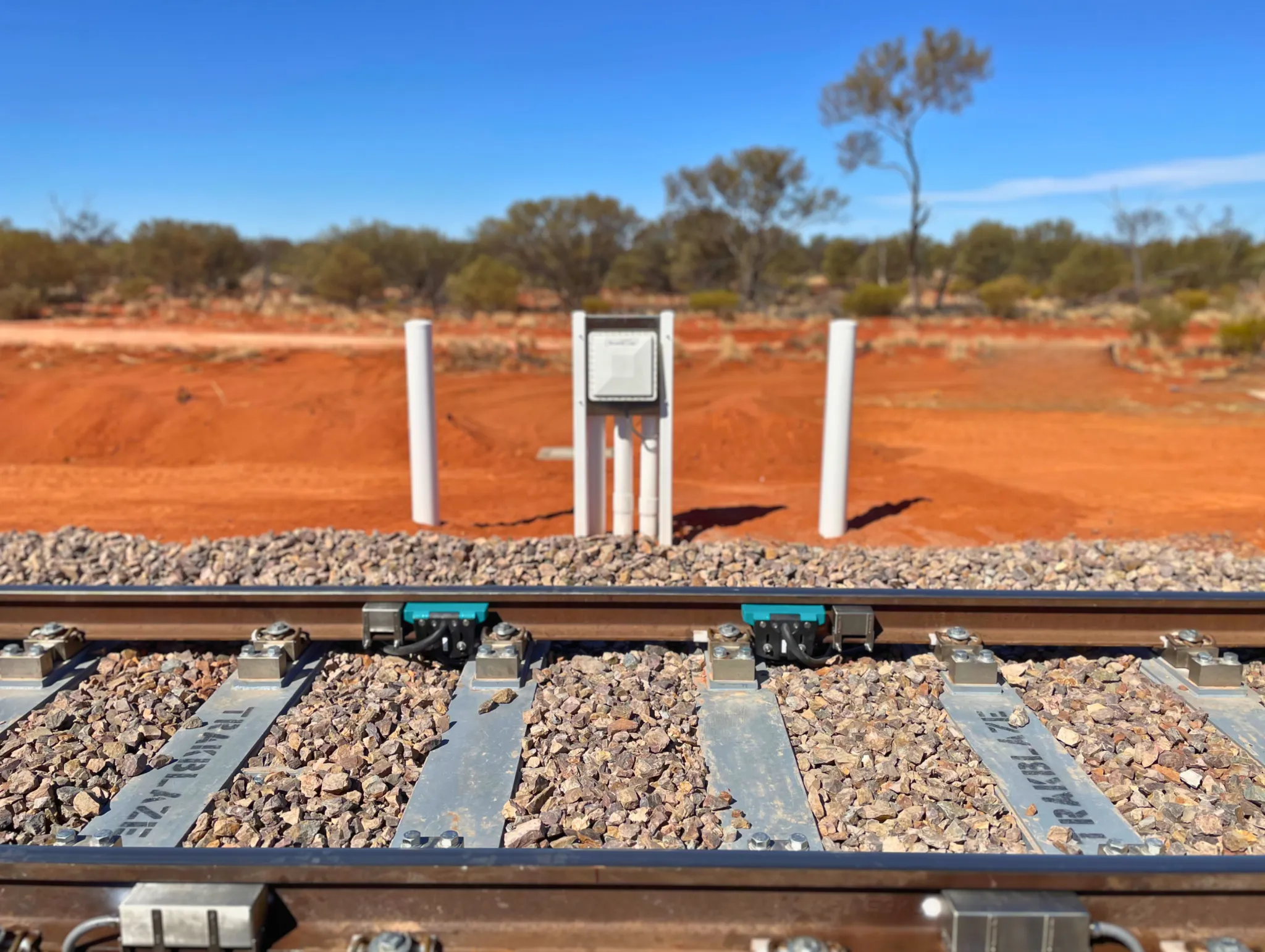
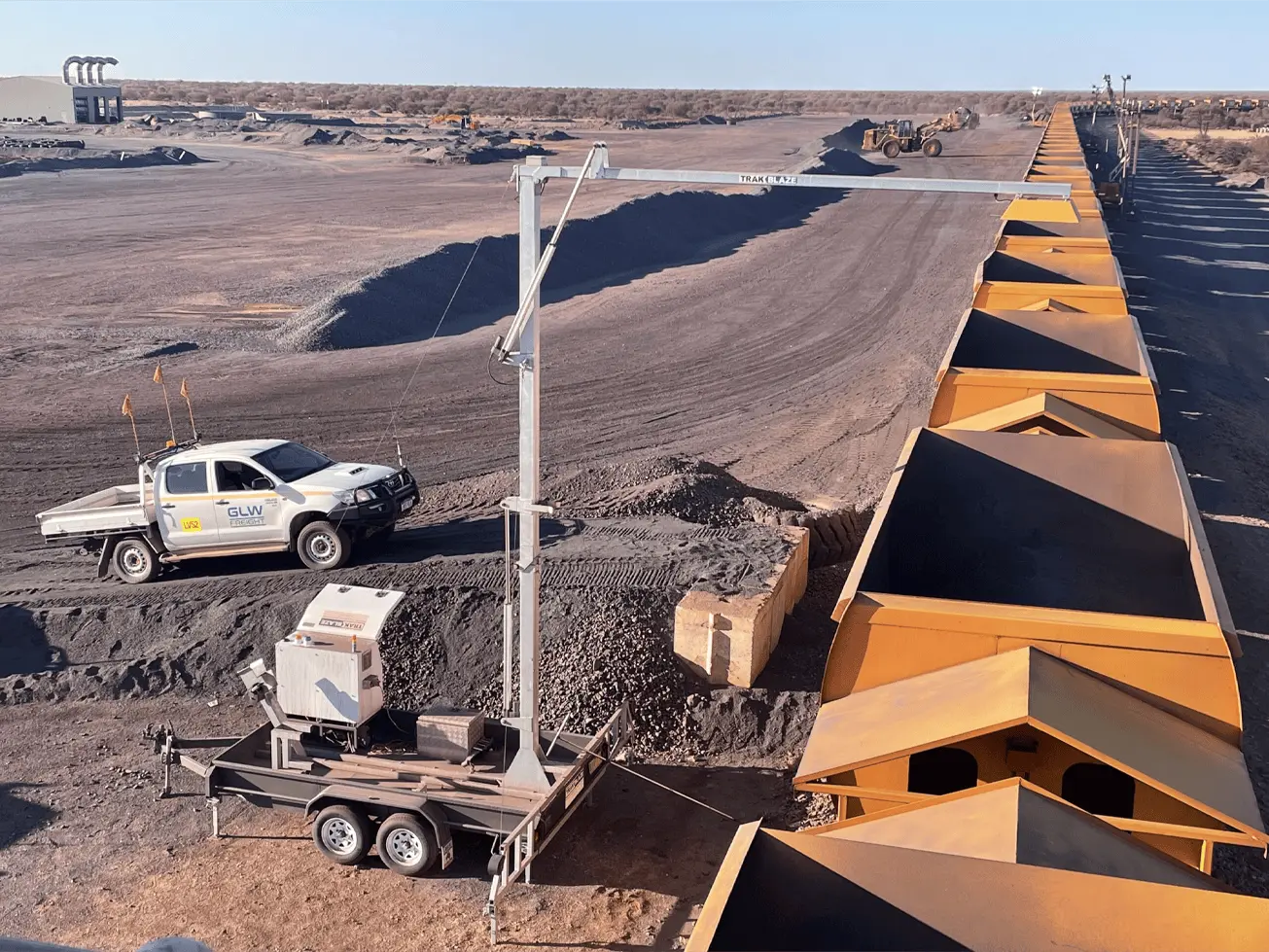
If you run freight, mining or bulk material operations, rail weighing is a core part of how you manage load accuracy and operational efficiency. Getting that weight data right keeps your loads compliant and your operation running smoothly from loading through to dispatch.
Reducing Administrative Burdens Through an Automated Weighing System
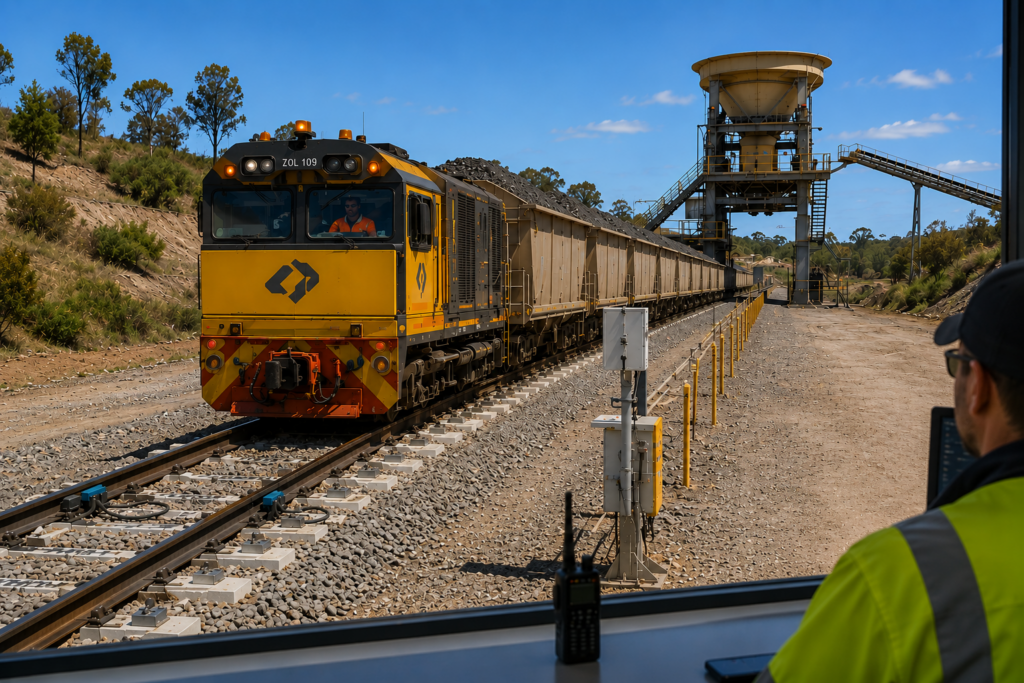
In industrial operations, vehicle weighing doesn’t end once a load is measured. Tasks such as recording data, managing tickets, reconciling records and preparing reports happen every operating day. When handled manually, these tasks can lead to delays, duplicate work and data errors.
How Pre-Departure Weighing Prevents Delivery Delays in Warehouses
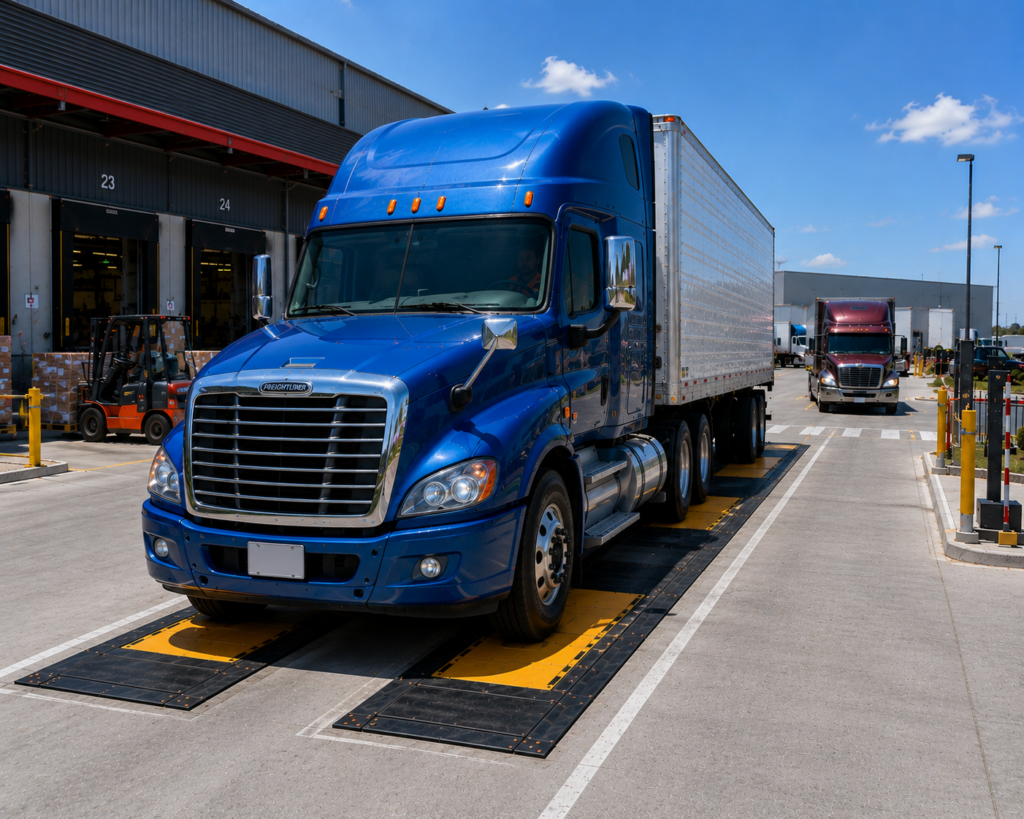
Transport or scheduling issues are often credited for warehouse delivery delays. However, many disruptions actually begin earlier in the dispatch process. If a load issue is missed before departure, it can trigger last-minute changes, compliance delays and bottlenecks that disrupt delivery schedules.
How to Handle Peak Season Freight with On-Site Truck Scales
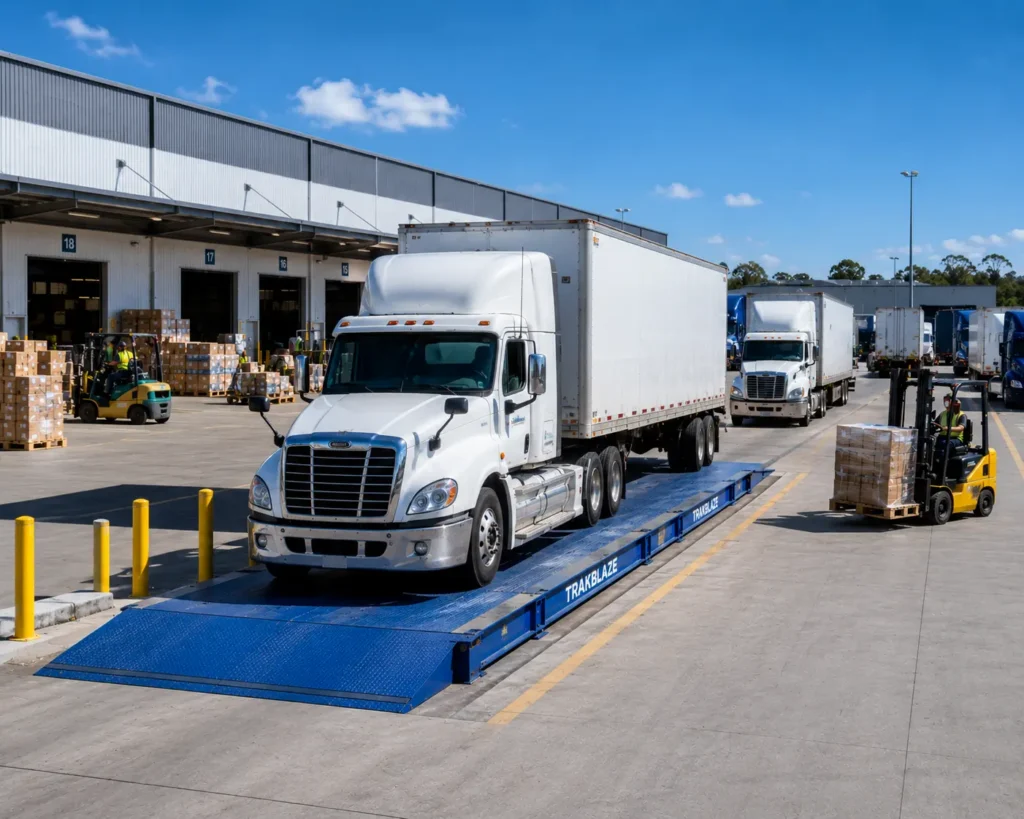
Peak freight periods add strain to your transport operations, especially in weighbridge areas. Increased truck movements and short dispatch windows delay routine tasks such as load verification and truck flow management. Furthermore, bottlenecks, delays and overloading become more evident as freight volumes rise.
Best Practices for Mining Weighbridge Calibration

Ensuring accurate vehicle weights is crucial in mining to manage payloads, meet regulations and control costs: heavy loads, high traffic and environmental stress place high pressure on weighing systems, affecting their accuracy.
How to Accurately Weigh Multi-Axle Trucks (Avoid Costly Overloads)
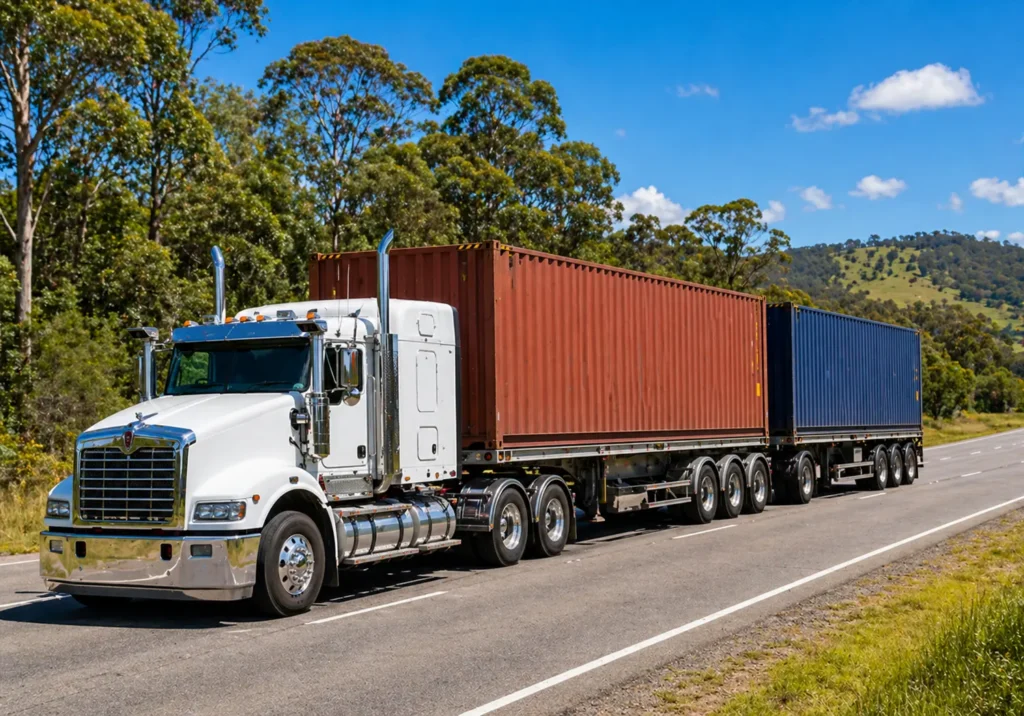
Multi-axle trucks are essential for improving transport efficiency while transporting heavy loads in demanding industries such as mining, railway and construction. However, as truck configurations become more complex, managing weight across each axle becomes more difficult.
Axle Load vs Gross Vehicle Mass: What Fleet Managers Must Know
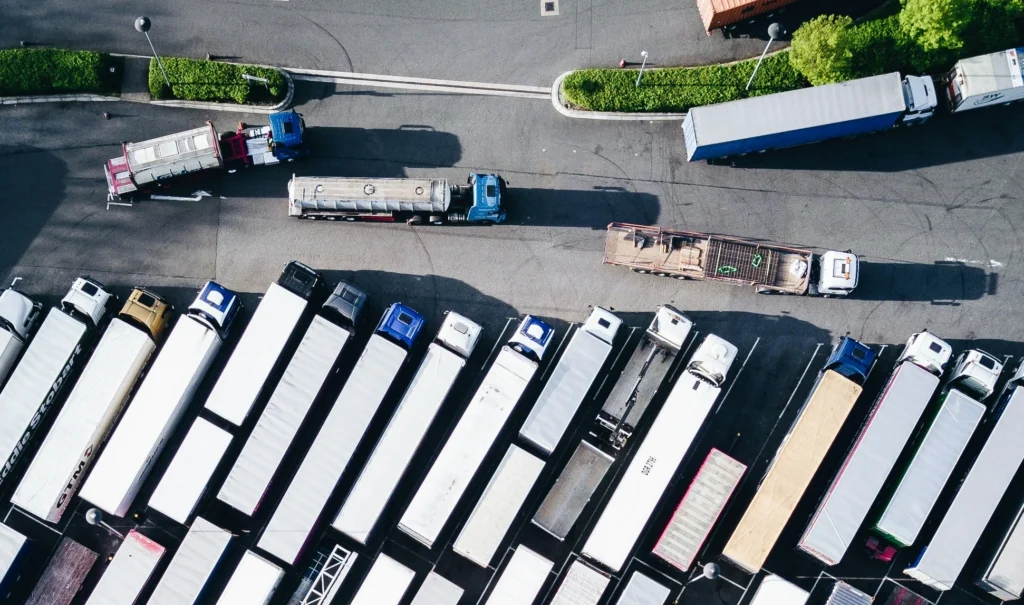
The performance, compliance and safety of a fleet are influenced by how vehicles are loaded. It’s not just about how much weight a truck carries. It’s also about how that weight is distributed across each axle. Even small imbalances can impact vehicle stability, component wear and overall reliability.
The Dangers of Exceeding Payload Limits in Mining Operations
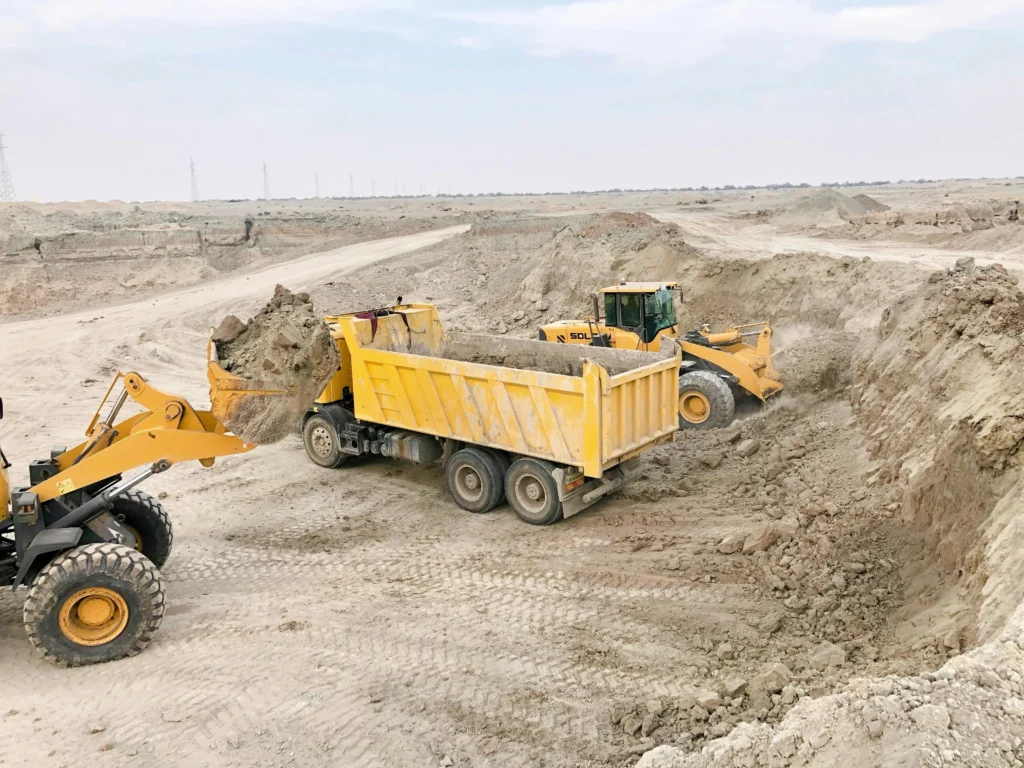
In mining operations, each haul cycle is measured against productivity goals. However, pushing payload limits can introduce serious risks. An overloaded haul truck has a longer stopping distance, reduced stability and a greater risk of incidents in busy pit areas. A slight increase in tonnes per load can become a safety issue.