



At a glance
- Dispatch delays in warehouse operations are commonly caused by load issues that were not identified before trucks leave the site.
- Pre-departure weighing helps warehouse teams detect load problems earlier and reduce avoidable disruptions.
- Accurate vehicle weight checks enable steadier dispatch flow and more reliable outbound scheduling.
- Real-time load visibility from reliable weighing systems helps respond faster when freight priorities or dispatch conditions change.
- Early weight verification can improve truck turnaround times and reduce unnecessary rework.
Transport or scheduling issues are often credited for warehouse delivery delays. However, many disruptions actually begin earlier in the dispatch process. If a load issue is missed before departure, it can trigger last-minute changes, compliance delays and bottlenecks that disrupt delivery schedules.
When load accuracy is not checked properly before dispatch, small issues can escalate into wider operational disruptions.
Pre-departure weighing works as a final checkpoint before trucks leave the site, helping identify overloading or uneven axle balance issues. The process helps you verify load conditions and maintain better control over delivery scheduling. By identifying compliance and safety issues, you can reduce unnecessary disruptions and support smoother deliveries.
This blog explores how pre-departure weighing helps reduce delays and support smooth warehouse workflows. First, it’s important to understand what causes delivery delays in warehouse operations.
Why Delivery Delays Occur in Warehouse Dispatch Operations
Here are the common causes of warehouse dispatch disruptions:
- Differences between recorded load data and the vehicle’s actual weight at dispatch.
- If capacity limits are identified too late, loads may need adjustment after loading is complete.
- Poor load planning that reduces vehicle utilisation before departure.
- Incomplete manual checks can slow final dispatch approvals.
- Delays caused by rechecking vehicle readiness at the exit stage.
How Pre-Departure Weighing Supports On-Time Warehouse Deliveries
Once you understand the causes, the next step is looking at how pre-departure weighing helps prevent delays before they affect outbound deliveries.
Detects Load Errors Before They Disrupt Dispatch
Load-related problems can easily go unnoticed during loading. A vehicle may leave the bay with an incorrect payload mix, an imbalanced load or an unnoticed overload. These issues are often only discovered during final departure checks. Discovering issues too late can delay departures and create hold-ups for trucks waiting to leave dispatch.
Load verification before dispatch helps identify these problems early, so they can be resolved before they interrupt outbound flow. Early weight visibility also gives your team greater certainty before dispatch. Instead of relying on assumptions, you can verify whether the vehicle is ready for dispatch.
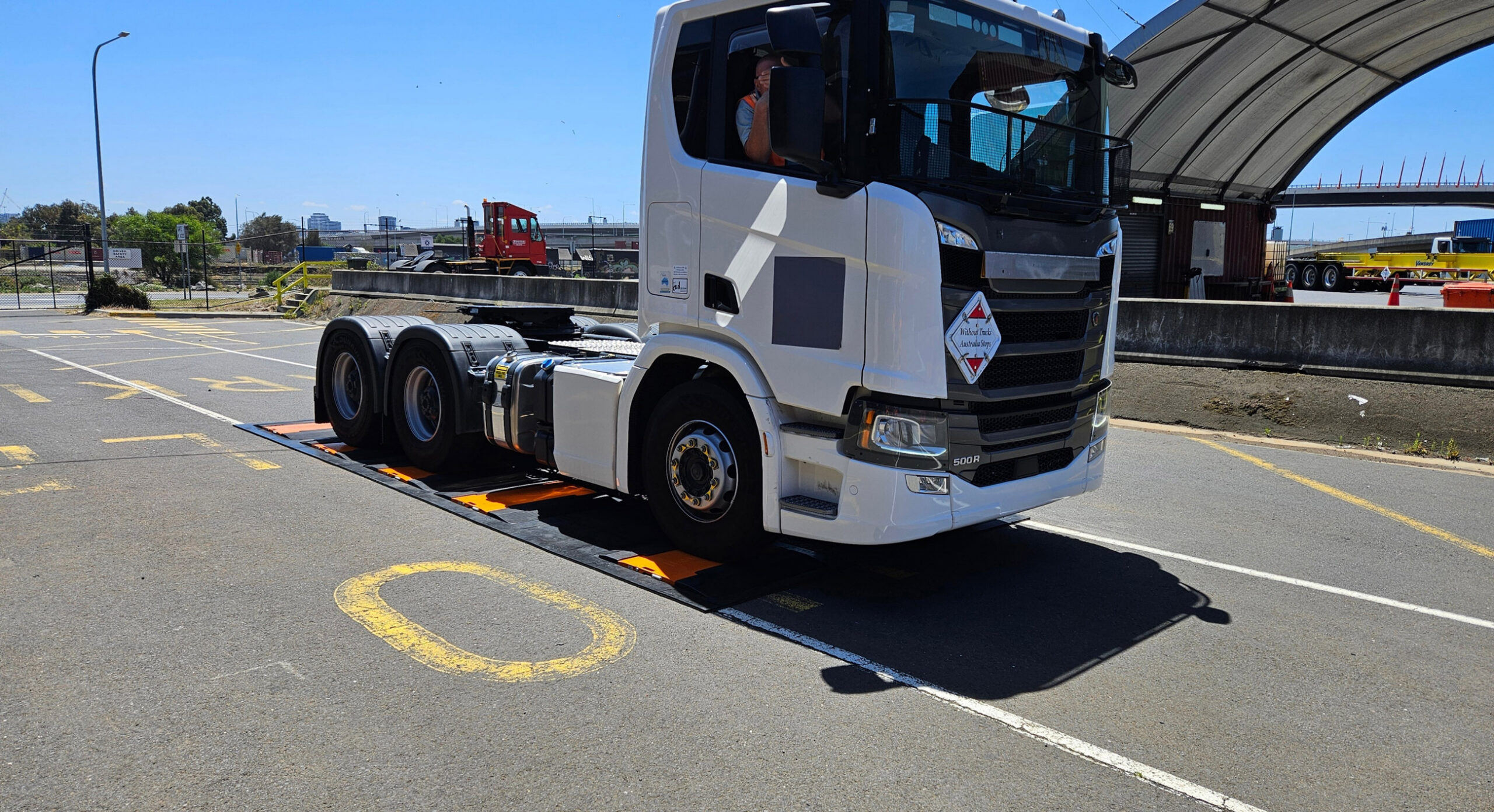
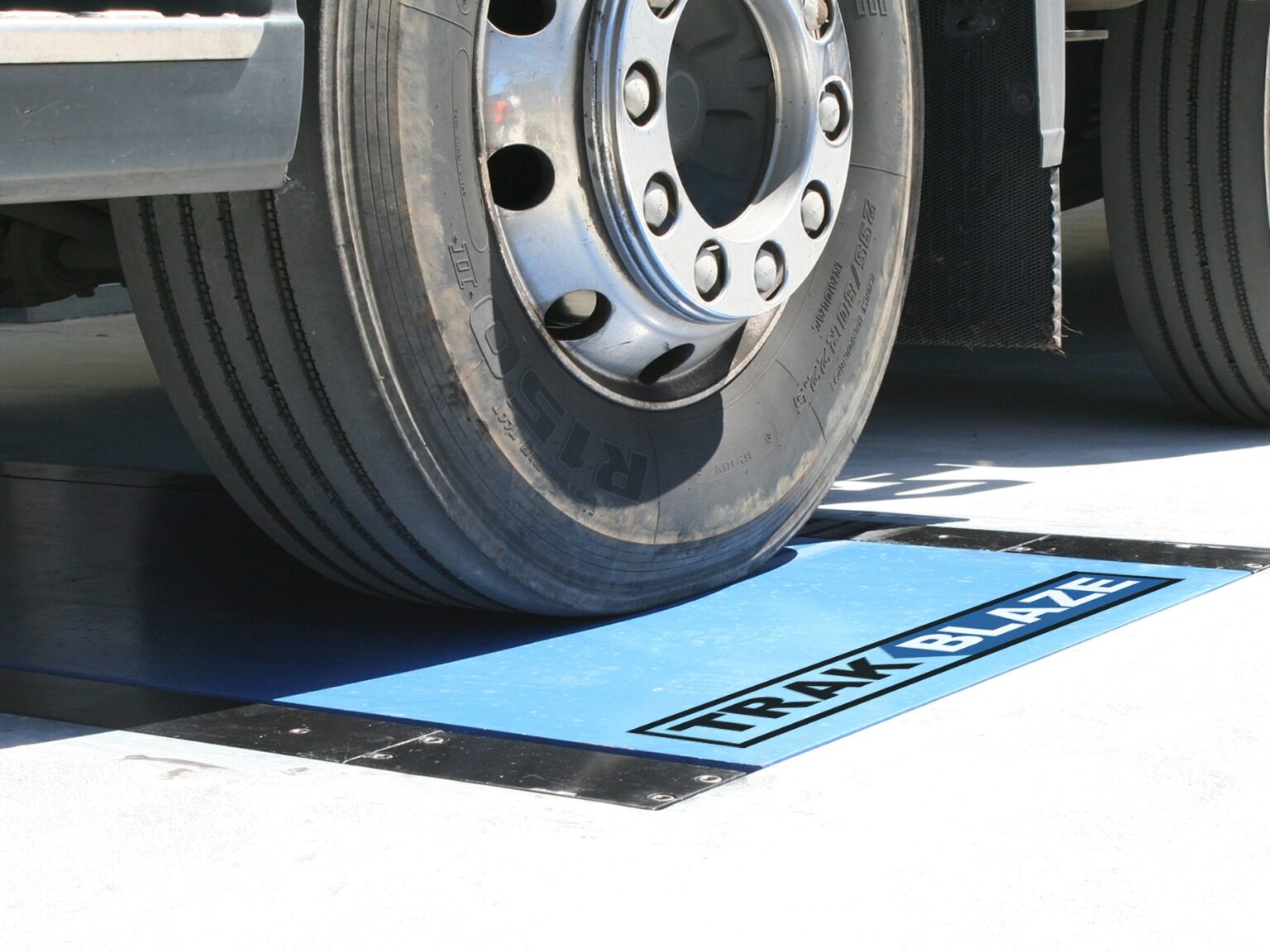
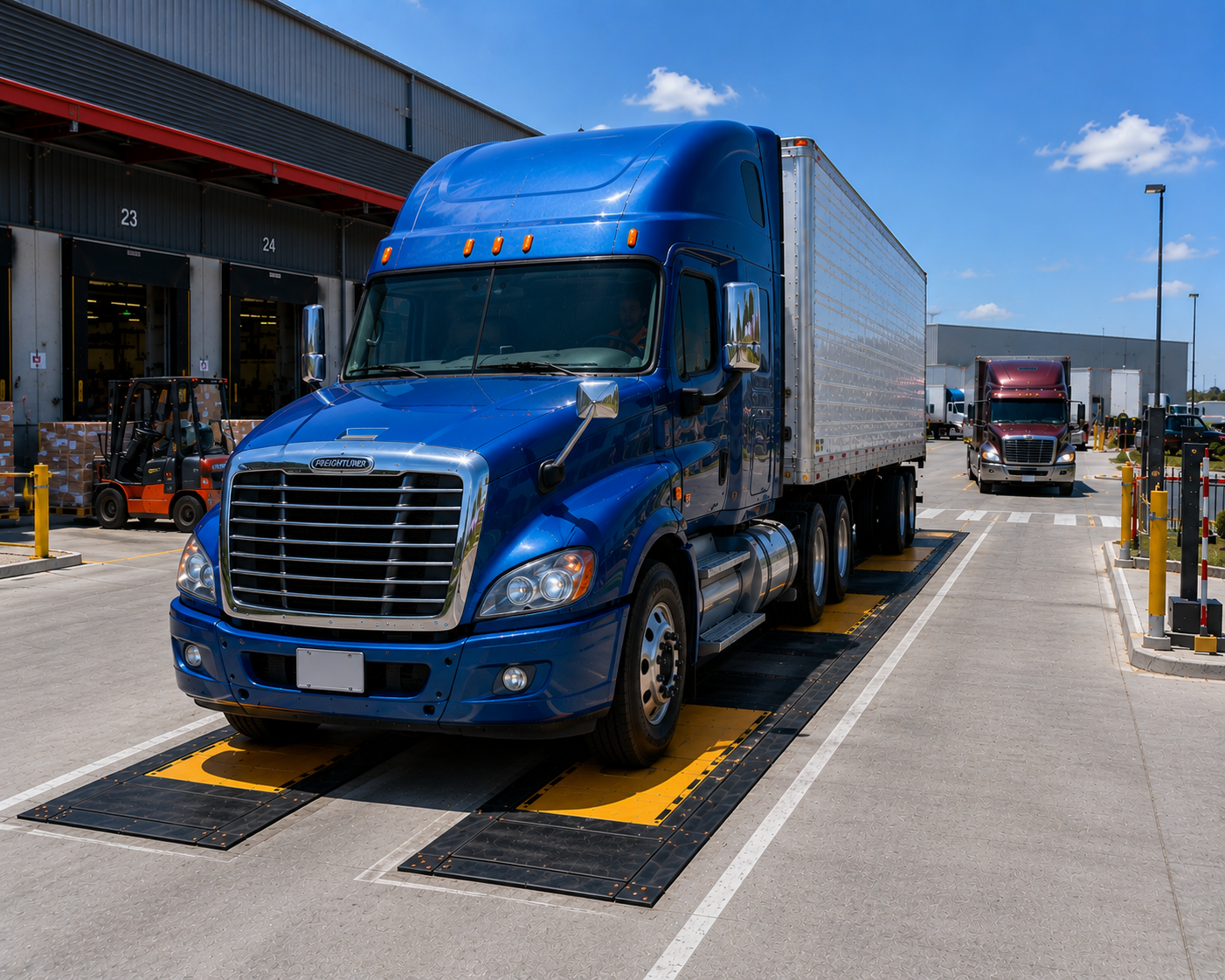
Weighing systems like TRUCKMATE provide real-time visibility of axle weight and gross vehicle mass. It uses low-profile weigh pads and high-accuracy load cells to support quick vehicle checks. These features enable clearer load confirmation and help vehicles depart within safe weight limits.
Prevents Compliance-Related Delays
Compliance delays can disrupt dispatch because corrective action may be required after a truck is already prepared to leave. If a vehicle experiences a weight issue during transit, it can disrupt route timing and delivery schedules. Using axle load monitoring as part of pre-departure vehicle weighing helps reduce this risk by checking compliance before trucks leave the site.
Verifying loads before departure supports more reliable delivery performance, not just compliance. By reducing the risk of weight-related delays after departure, warehouses are more likely to keep deliveries moving on schedule. FORCE 1 is a strong example of a system used for axle-based load checks, which helps you verify vehicle weight in-motion with greater accuracy prior to dispatch.
Pre-departure compliance verification provides several key advantages for dispatch operations, which are:
- Compliance checks are completed at dispatch, reducing the need for roadside inspections.
- Load documentation aligns with verified axle and gross weights.
- Risk of penalties, fines and enforced unloading is reduced before transit begins, helping to optimise logistics operations.
- Dispatch approvals can move faster when compliance has already been verified.
Read More: Why Trakblaze FORCE™ 1 Outperforms Traditional Scales in Modern Industries
Reduces Rework That Slows Warehouse Throughput
Rework creates delays because it consumes time and ties up resources already allocated to outbound movement. When a load needs correction, workers may have to shift back to unloading or redistributing, which keeps loading bays occupied longer than expected. This can slow the movement of following vehicles and reduce the warehouse’s overall efficiency.
Pre-dispatch weighing improves load accuracy, which reduces correction cycles before trucks depart. When fewer loads need rework, dispatch operations can maintain a better rhythm in loading, releasing and moving trucks. That consistency helps prevent congestion from building around avoidable corrections.
Warehouse weighing systems support on-time deliveries by reducing avoidable departure delays. Additionally, they reduce the overall impact of disruptions in the dispatch process.
Improves Dispatch Scheduling and Departure Flow
Dispatch schedules rely on trucks leaving the warehouse on time and without unresolved load issues. If a vehicle reaches final release with overloading, uneven axle distribution or incomplete compliance checks, dispatch teams may need to stop the truck for adjustments. This can delay departures, disrupt vehicle flow and create hold-ups across the dispatch queue.
Verifying the load early helps prevent disruptions by confirming load conditions before trucks move into final dispatch. This helps ensure only compliant and fully prepared vehicles move through dispatch.
As a result, dispatch scheduling becomes more accurate and vehicle flow becomes easier to manage. Clearing trucks earlier helps keep dispatch slots available, supports consistent dock usage and maintains steadier vehicle movement. As a result, warehouses experience fewer disruptions in outbound flow and improve on-time delivery performance.
Supports Faster Decisions When Conditions Change
Warehouse demands can vary quickly throughout the day. You may need to consolidate loads, prioritise urgent freight or respond to changing order requirements.
When this happens, decisions can slow down if your dispatch team does not have accurate load information. Real-time weight data provides accurate visibility into what has been loaded. Managers can respond quickly with reliable data rather than estimates.
When you have accurate weight data before dispatch, you already know:
- How much each truck is carrying
- Whether it is underloaded or overloaded
- How much space is still available
So when a change happens, you don’t guess, you decide based on numbers.
As a warehouse operator, you are supposed to monitor vehicle weight to prevent compliance, safety and incorrect consignment risks. When trucks leave without proper pre-departure weighing, overloaded or incorrectly loaded vehicles may face compliance inspections, rejected consignments, unloading requirements or delivery delays. These disruptions can affect dispatch schedules and slow overall freight movement, making pre-departure weighing an important part of warehouse operations.
By checking loads before trucks depart, you can identify and fix issues early before they cause bigger disruptions. This helps keep operations moving smoothly and supports more reliable on-time deliveries.
If you are looking to improve your warehouse transport workflow, an established vehicle weighing company, such as Trakblaze, can help. We improve dispatch control through advanced weighing solutions that support quick and reliable weight measurements before departure.
Speak with our team to explore the right solution for your warehouse operations.
FAQs
How often should vehicles be weighed before leaving a warehouse?
Vehicles should generally be weighed before each departure, especially when payloads, routes and load configurations vary. For operations handling consistent repeat loads, weighing frequency may be set based on risk, compliance requirements and internal dispatch procedures.
What types of warehouse operations benefit most from pre-departure weighing?
All types of warehouse operations can benefit from pre-departure weighing. It is particularly valuable in high-volume distribution centres, logistics hubs, manufacturing warehouses, bulk goods facilities and third-party logistics (3PL) operations.
Why do you need a weighbridge for your warehousing company?
Using a weighbridge in a warehousing company helps verify vehicle weights before dispatch, improve load accuracy and reduce the risk of overloading or underloading.
What should you look for when choosing a pre-departure weighing system?
Choose a pre-departure weighing system that improves load verification without slowing dispatch. Key features to look for include:
- Accurate axle and gross weight measurement
- Real-time weight data visibility
- Compatibility with fleet and load types
- Compliance verification support
- Integration with dispatch or reporting systems
Does weighing software help improve long-term data analysis?
Yes. Weighing software helps improve long-term data analysis by capturing weight data over time and turning it into actionable operational information.