


At a glance
- Exceeding payload limits increases stopping distance, rollover risk and overall safety exposure in mining operations.
- Brake components, tyres and truck structural components wear out faster with overloaded bodies.
- Any short-term production gains are often offset by higher fuel use, unexpected downtime and rising maintenance costs.
- Monitoring payloads in real time and implementing disciplined load control are crucial to ensuring sustainable performance.
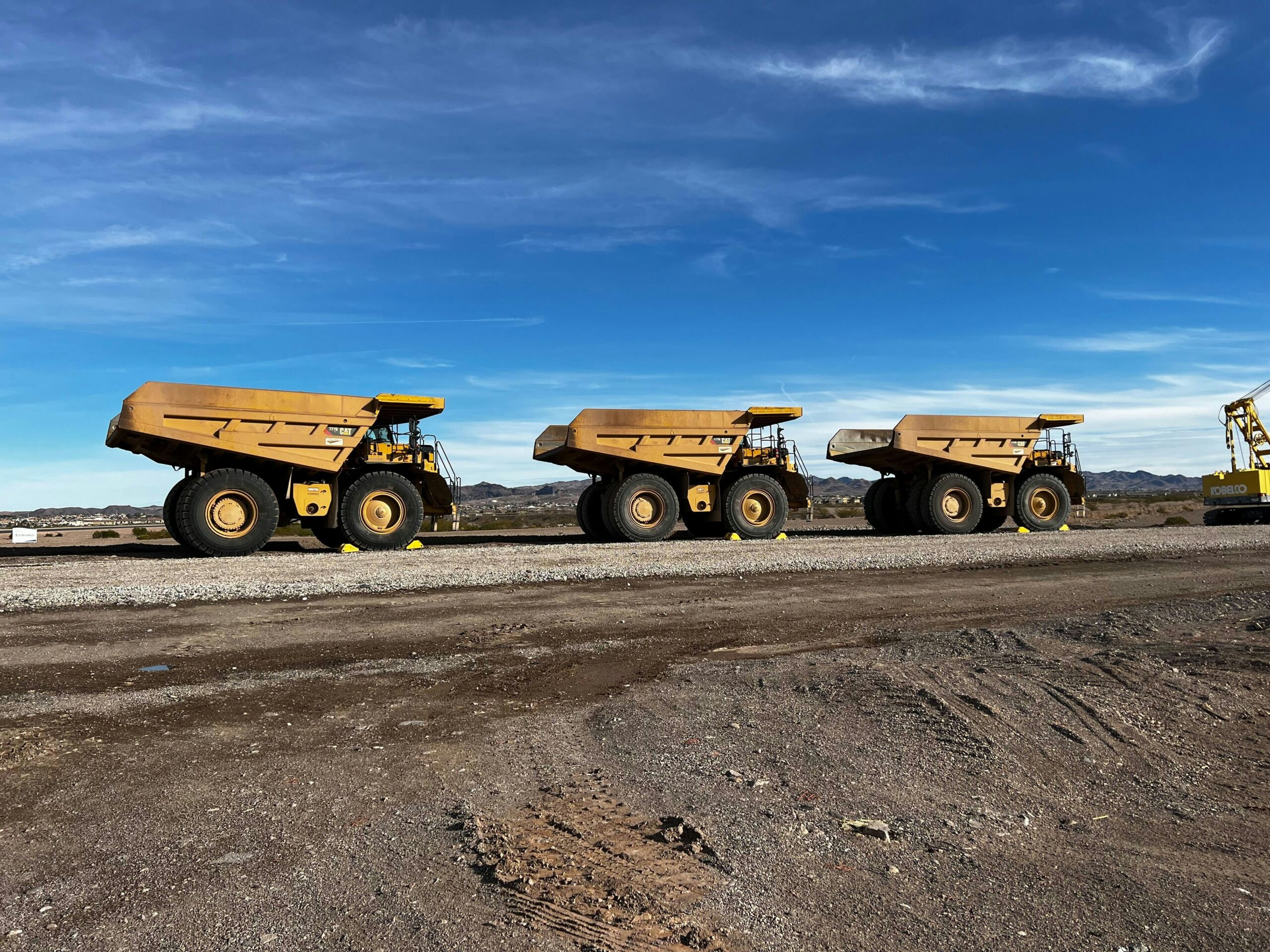
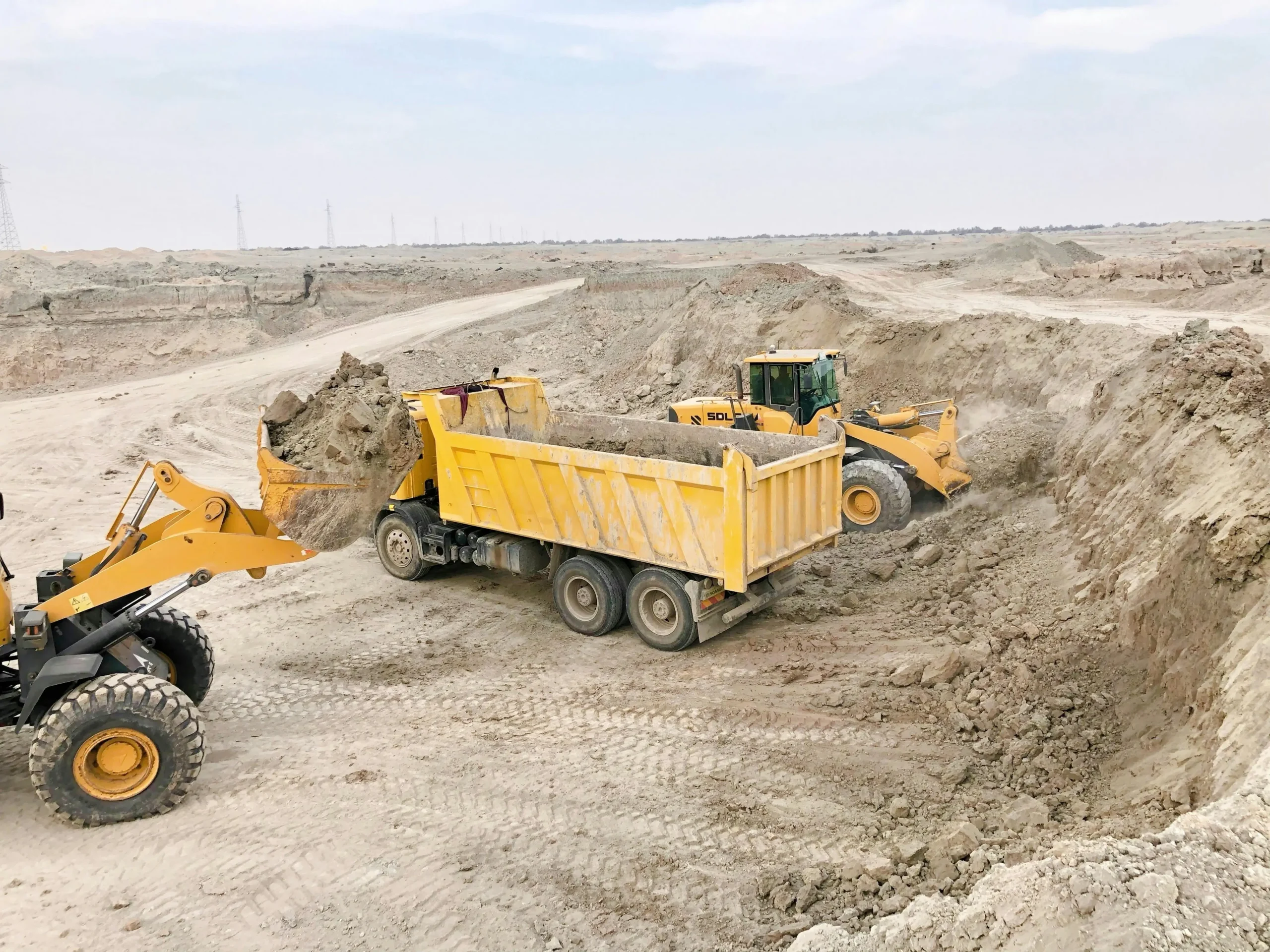
In mining operations, each haul cycle is measured against productivity goals. However, pushing payload limits can introduce serious risks. An overloaded haul truck has a longer stopping distance, reduced stability and a greater risk of incidents in busy pit areas. A slight increase in tonnes per load can become a safety issue.
Exceeding engineered payload limits puts significant stress on key components. Braking systems absorb more energy, tyres handle higher heat and pressure, and chassis structures endure stress beyond their limits.
In addition to the technical impact, overloading affects efficiency and costs. Increased fuel costs, unplanned downtime and shorter asset life can offset the benefits of higher production. This blog highlights the dangers of exceeding payload limits in mining and emphasises the need for accurate monitoring to ensure safe, reliable and sustainable production.
What Risks Does Overloading Pose in Mining Operations?
With increasing production pressure, it is crucial to understand the operational risks of exceeding payload limits in mining. Here are some of the real dangers it can cause:
Increased Stopping Distance and Collision Risk
When a vehicle carries more weight than its maximum payload limit, it can surpass its braking capacity. With that, you’ll see a noticeable increase in braking distance for mining trucks on slopes or during long return trips. Even minor overloads can compromise stopping performance and reduce the driver’s margin for correction.
Control is further compromised in dynamic environments. Overloading a mining haul truck affects its weight distribution and raises the centre of gravity, which increases the risk of rollover during turns or on uneven roads.
In busy pit areas, slower braking and less responsive steering worsen the impact of any collisions. Beyond damaging the vehicle, it can also harm site infrastructure, accelerate road surface wear and increase risks to nearby workers in demanding mining environments.
Read More: The Toughest Scales for the Toughest Industry: Why Mines Choose Trakblaze
Brake Overheating and Failure Risks
Braking systems are built to manage energy within specific operational limits. When those limits are pushed, the components absorb more kinetic energy than they were designed for. As a result, temperatures rise beyond safe operating ranges. With ongoing use, the repeated heating and cooling can lead to material fatigue in the discs, pads and hydraulic systems. This results in a gradual loss of efficiency instead of an immediate failure.
The risk of brake failure increases when overheating reduces stopping power at critical moments. Faded friction material in brakes can reduce braking responsiveness under thermal stress, which becomes even riskier in long downhill stretches.
Tyre Overstress and Blowouts
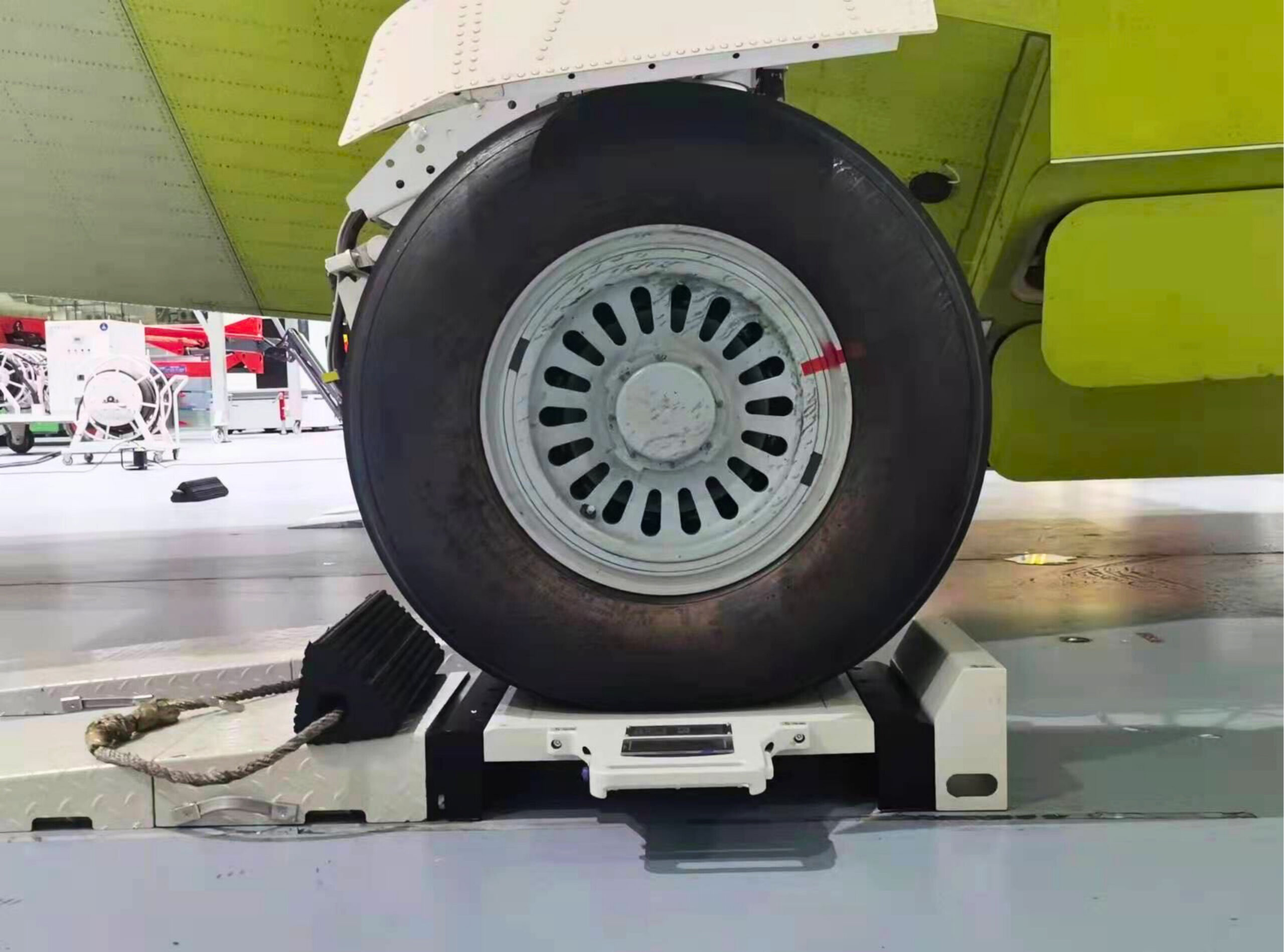
Off-the-Road (OTR) tyres are designed to work within precise load and temperature limits. Overloading a mining truck increases internal air pressure and casing stress beyond the tyres’ rated capacity. Each haul cycle generates heat, increasing the risk of tyre failure and expensive blowouts.
Excessive weight on the tyres accelerates structural damage to the tyre carcass. Sidewall flexing, belt separation and tread distortion can occur long before any visible signs appear. A sudden blowout while under load can destabilise the vehicle, damage nearby equipment and stop operations immediately.
The high cost of large-format mining tyres and the disruptions involved in their recovery and replacement are significant concerns. Overloading mining trucks creates consequences that extend far beyond initial mechanical stress.
Structural Fatigue and Chassis Cracking
Mining haul trucks are designed for repetitive, high-load cycles, but only within specific limits. Exceeding their payload limits creates cyclic stress that surpasses the structural capacity. Over time, tiny stress points develop in weld joints, frame rails and dump body supports.
Micro-fractures increase with continued stress, compromising the vehicle’s structural integrity. It starts as a small distortion and turns into visible fatigue cracks over time. Even after welding and partial rebuilds, its long-term reliability begins to decline. Over time, this translates into higher lifecycle costs and a reduced return on capital investment.
Regulatory and Compliance Risk
Loading over the designated limits places sites at risk of regulatory scrutiny and oversight. While occasional overloads can occur, operations must maintain accurate load records that show how payload limits are monitored and managed. These records are often reviewed during incident investigations, safety audits or compliance inspections to verify that loading practices remain within approved limits.
If an incident occurs and load data reveals a mining haul truck overload, operational practices may be questioned. This can lead to extended investigations, disputes over contractual obligations or potential liability issues.
In addition to potential financial penalties, damage to reputation can undermine stakeholder confidence when safety performance is essential for maintaining licences.
Production Disruption and Cost Escalation
Mechanical strain from overloading typically causes progressive component wear rather than a single failure. Instead, it manifests through increased component wear, more frequent maintenance and reduced fleet availability. Each unplanned trip to the workshop disrupts haul schedules, leading to bottlenecks that affect downstream production.
Fuel efficiency decreases as engines work harder to transport additional weight, increasing the cost per tonne moved. Across an entire fleet, even minor inefficiencies can compound into substantial cost increases.
While carrying heavier loads may seem like a quick productivity boost, it often leads to lower overall output, higher operating costs and a shorter equipment lifespan.
Read More: The Importance of Accuracy and Efficiency Within Even the Most Challenging Mining Environments
How Mining Operations Can Prevent Payload Overloading
Preventing overload focuses on implementing control mechanisms that protect both production output and asset integrity. Here is how operations can stay within safe payload limits:
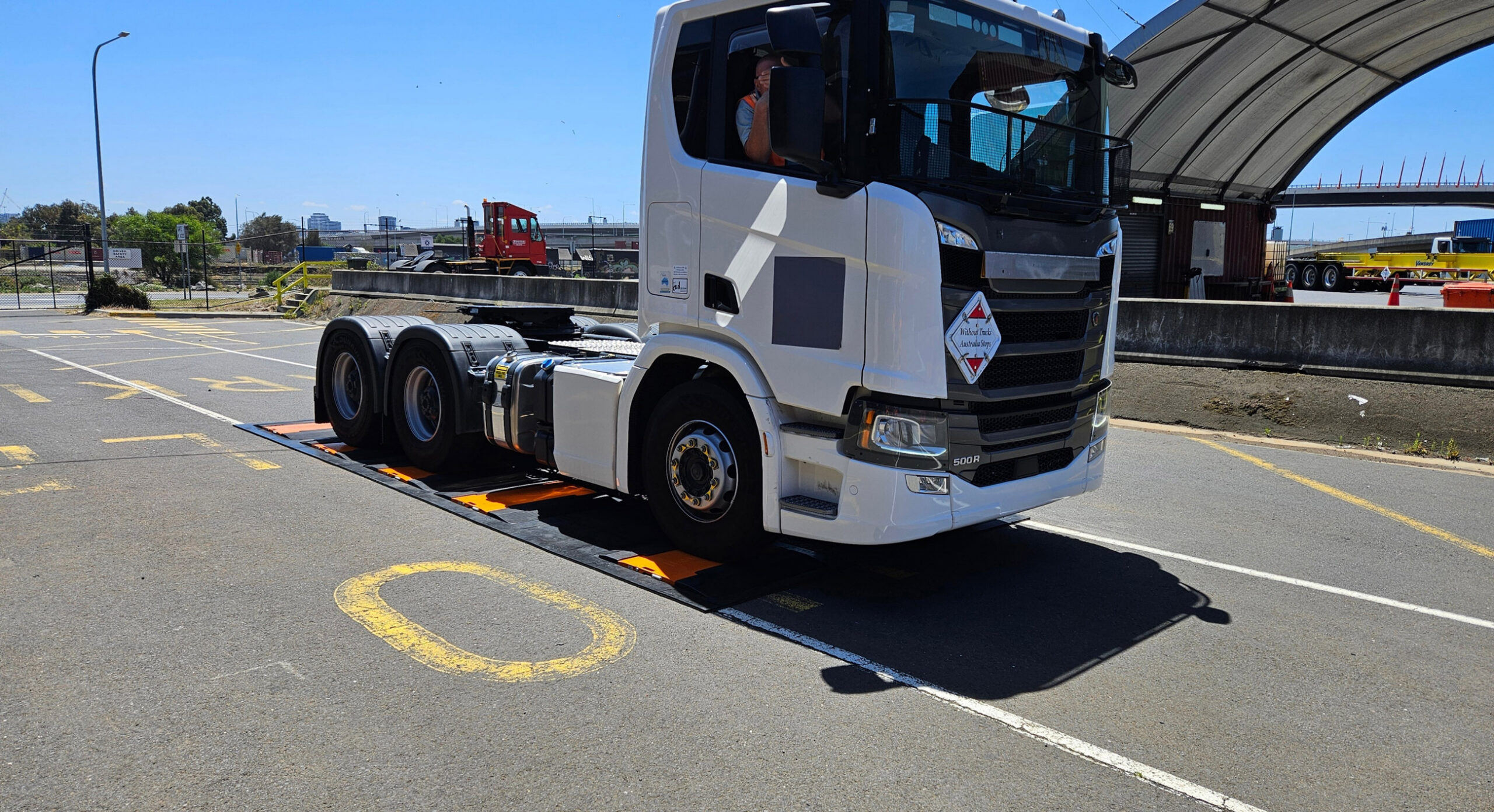
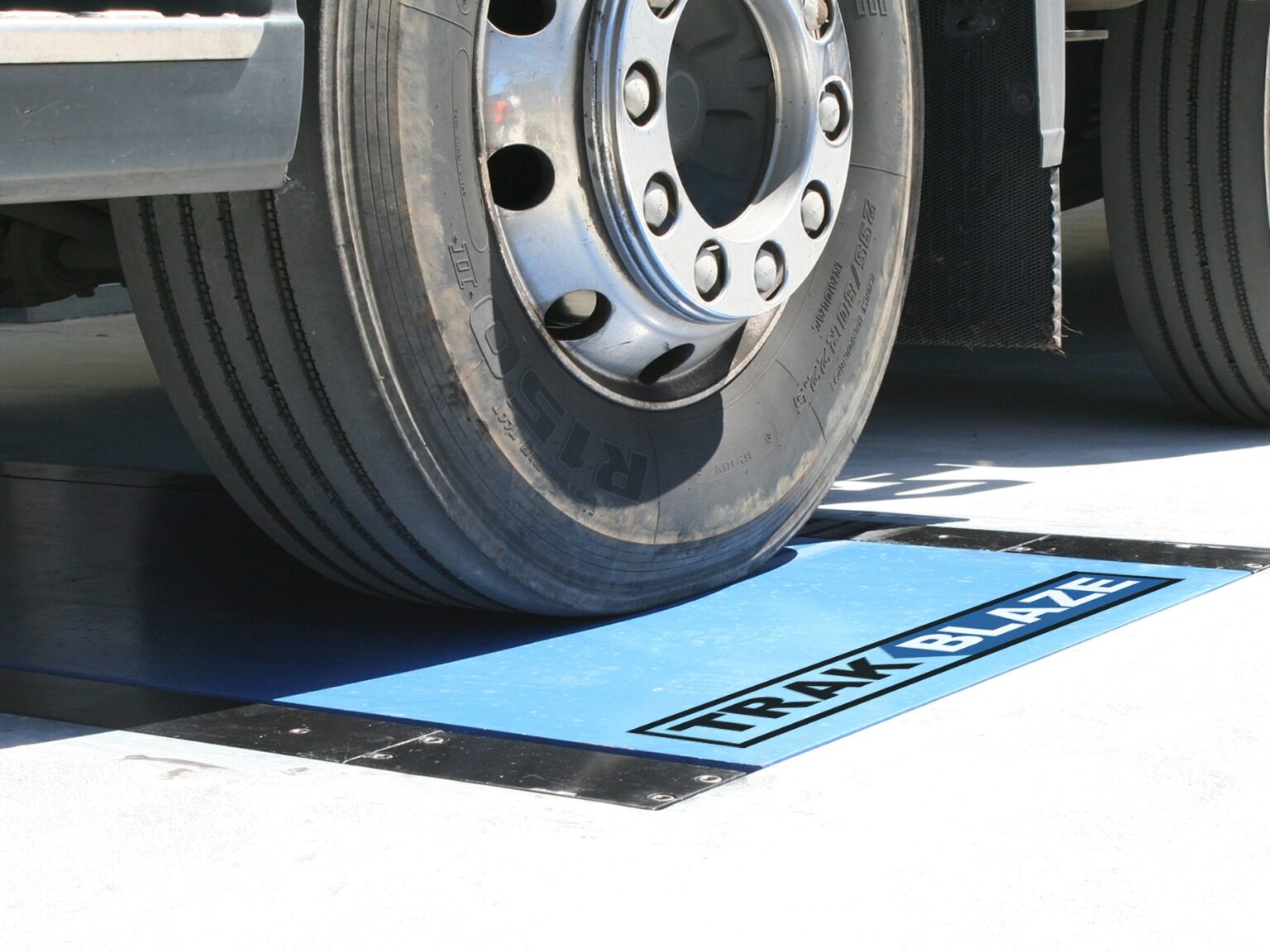
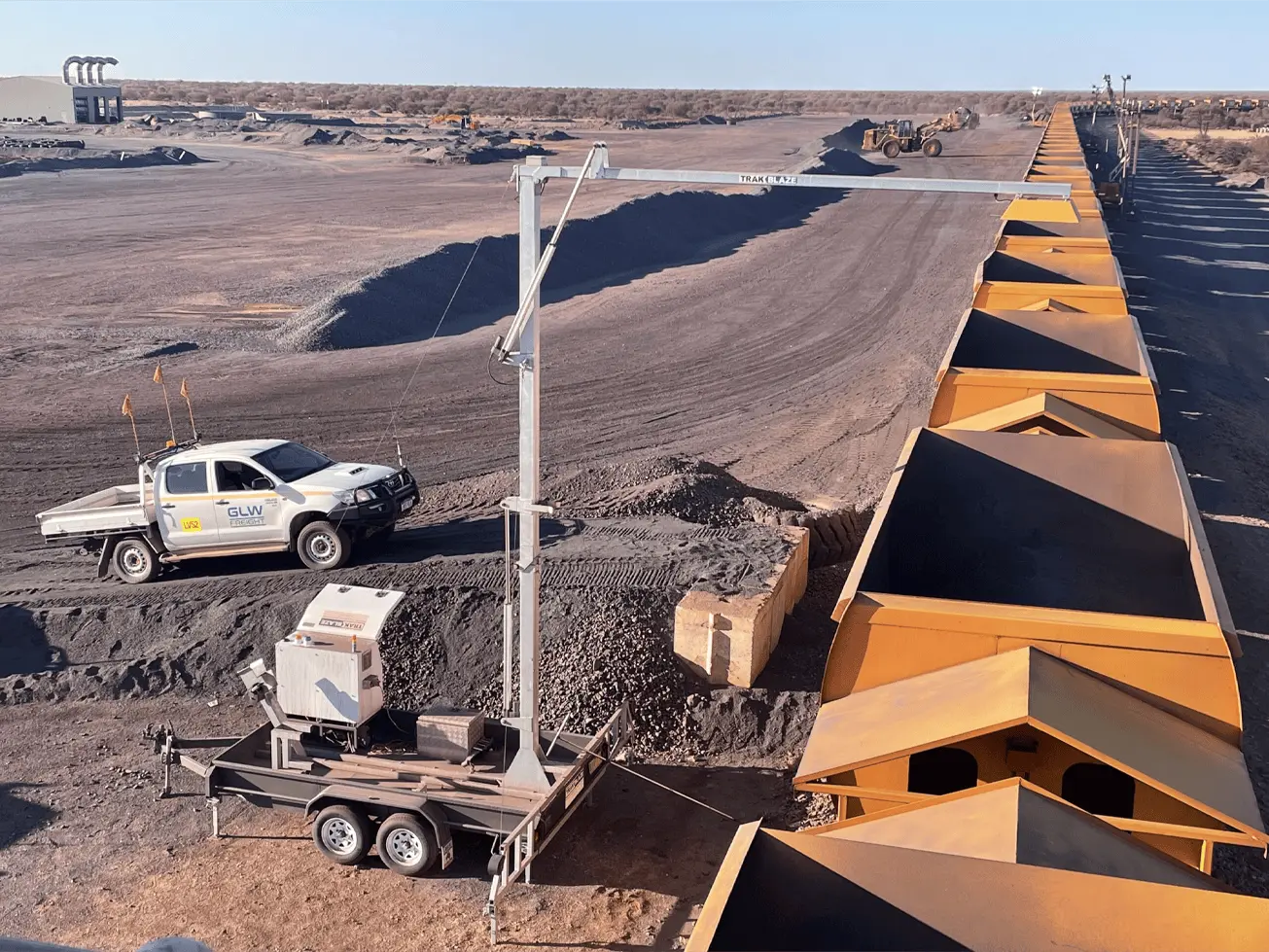
- Implement Real-Time Payload Monitoring Systems: Onboard weighing technology provides instant insight into load weight during the loading cycle. Systems like the TVS-Mining Truck Volumetric Scanner provide real-time payload monitoring and calculate load volumes within seconds.
- Establish Clear Load Control Protocols: Defined mining payload limits must be supported by clear procedures that guide loader operators and drivers. Standard operating guidelines reduce inconsistencies in loading practices between shifts. They ensure that loading decisions are based on measurable thresholds rather than judgment alone.
- Balance Production and Payload Safety: Production targets should prioritise controlled loading over rewarding excess tonnes per cycle. When KPIs prioritise sustainable output over short-term volume gains, behaviour aligns with equipment protection. This balance helps maintain fleet longevity while still achieving throughput goals.
- Review Operations Using Payload Data: Monitoring load trends across shifts allows you to identify patterns that may be missed when focusing solely on individual incidents. Exception reporting identifies recurring overload issues, allowing for targeted interventions or retraining when necessary. Over time, this data-driven approach enhances fleet discipline and maintains consistent haul performance.
Ultimately, exceeding payload limits in mining creates serious safety and operational risks. It triggers a chain reaction that impacts braking performance, tyre integrity, structural strength and overall fleet reliability. What starts as an effort to move more material per cycle can quickly elevate safety exposure, accelerate wear and amplify operational risk across the site.
Although heavier loads might seem to boost short-term production, the long-term effects often reveal a different reality. Increased downtime, higher fuel consumption and rising maintenance costs can negate any immediate advantages. Investing in a reliable weighing solution allows mining operations to maintain safe payload limits, reduce safety risks, protect equipment and ensure consistent production performance.
To strengthen payload control and safeguard your mining operations, partner with Trakblaze, a trusted weighing solutions provider. With advanced monitoring technology designed for harsh environments, we help operations improve accuracy and protect fleet performance with confidence.
Get in touch with us to support safer, more efficient mining operations.
FAQs
How do variations in material density affect payload accuracy in mining?
Variations in material density affect payload accuracy because trucks are typically loaded by volume rather than exact weight. Wet, compacted or high-density material weighs more than loose material, even if the bucket appears the same size. Without real-time weighing, these differences can result in unintentional overloading or underloading.
Can payload inconsistencies impact long-term mine planning and forecasting?
Yes. Payload inconsistencies can distort reported production data, affecting short-term scheduling and long-term mine planning. If actual hauled tonnes differ from recorded or estimated figures, forecasting, equipment allocation and cost modelling become less reliable.
How does accurate weighing reduce carry-back and spillage in mining?
Accurate weighing ensures trucks are loaded within safe capacity, preventing excess material from spilling over the body edges during transport. It also helps maintain balanced loads, which reduces the likelihood of material shifting or carry-back during tipping. Read our blog to understand how weighing data helps control carry-back and spillage in mining.
Why is accurate load management critical for long-term mining fleet performance?
Accurate load management reduces equipment stress, lowers maintenance costs and extends asset life. It also improves fuel efficiency and supports consistent fleet performance. This comprehensive blog covers why accurate load management is important in mining trucks.