




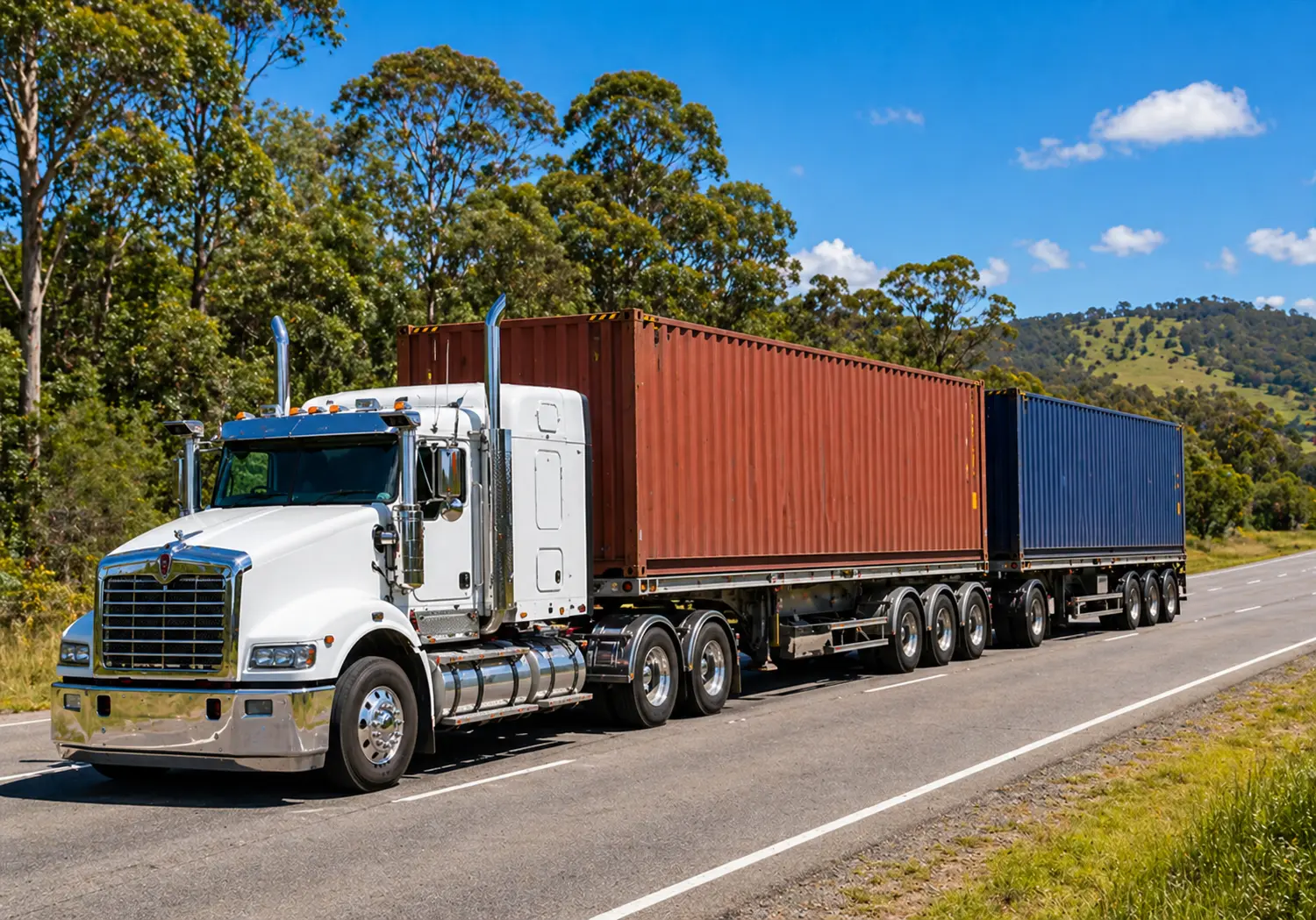
At a glance
- Axle-level weighing is critical because total vehicle weight alone can hide overload risks and lead to compliance issues.
- Inaccurate weighing often results from uneven load distribution, poor positioning and a lack of axle-level visibility.
- Consistent processes, correct positioning and balanced loading are essential for accurate multi-axle weighing.
- Real-time weighing systems and regular calibration help detect imbalances early and prevent costly overloads.
Multi-axle trucks are essential for improving transport efficiency while transporting heavy loads in demanding industries such as mining, railway and construction. However, as truck configurations become more complex, managing weight across each axle becomes more difficult.
As an operator, you might rely on total vehicle weight, which does not always show the full picture. Your vehicle might comply with Gross Vehicle Mass (GVM) limits but still overload individual axles. And it might lead to fines, rejected loads or added strain on equipment. This issue creates a gap between what looks compliant on paper and what actually happens on the road.
Accurately weighing a multi-axle truck requires clear visibility, proper control and consistent measurements at the axle level.
This blog explains the common causes of inaccurate weighing and how you can measure axle loads properly to support compliance and avoid overload risks.
What Causes Inaccurate Weighing in Multi-Axle Trucks?
Below are the key causes of weighing inaccuracies in trucks with multiple axles:
- Uneven Load Distribution: When loads are not placed with axle balance in mind, weight can build up unevenly across the truck. Bulk or loose materials may also shift during loading or transport, creating further imbalance. This can lead to inaccurate axle weight readings.
- Relying Only on Total Weight: Focusing only on total vehicle weight can hide axle overload issues. A truck may stay within Gross Vehicle Mass (GVM) limits while still overloading one axle group. Without axle-level visibility, uneven weight distribution can go unnoticed, increasing the risk of fines, rework and compliance issues. Read more on Axle Load vs Gross Vehicle Mass.
- Weighing on Uneven or Improper Surfaces: Ground conditions of the weighbridge area also affect accurate weighing. Slopes, uneven surfaces and poor vehicle positioning can shift weight across the axles and distort the reading. This makes the data less reliable for compliance decisions.
- Choosing an Inappropriate Weighing Solution: Not all weighing systems meet the requirements for operations involving multi-axle trucks. Some only show total weight and do not break it down by axle. Others do not provide the accuracy needed for reliable results. Systems without real-time feedback also limit your ability to correct issues during loading. That is why it is important to work with a trusted provider of weighbridge systems that can support accurate axle-load measurement and reliable compliance.
How to Weigh Multi-Axle Trucks for Precise and Reliable Results
While measuring multi-axle trucks, getting consistent results means building a repeatable process that works reliably across every load, site and operator.
The following sections explain how to ensure precise multi-axle truck weighing and prevent overload risks:
Use a Level Surface and Correct Vehicle Positioning
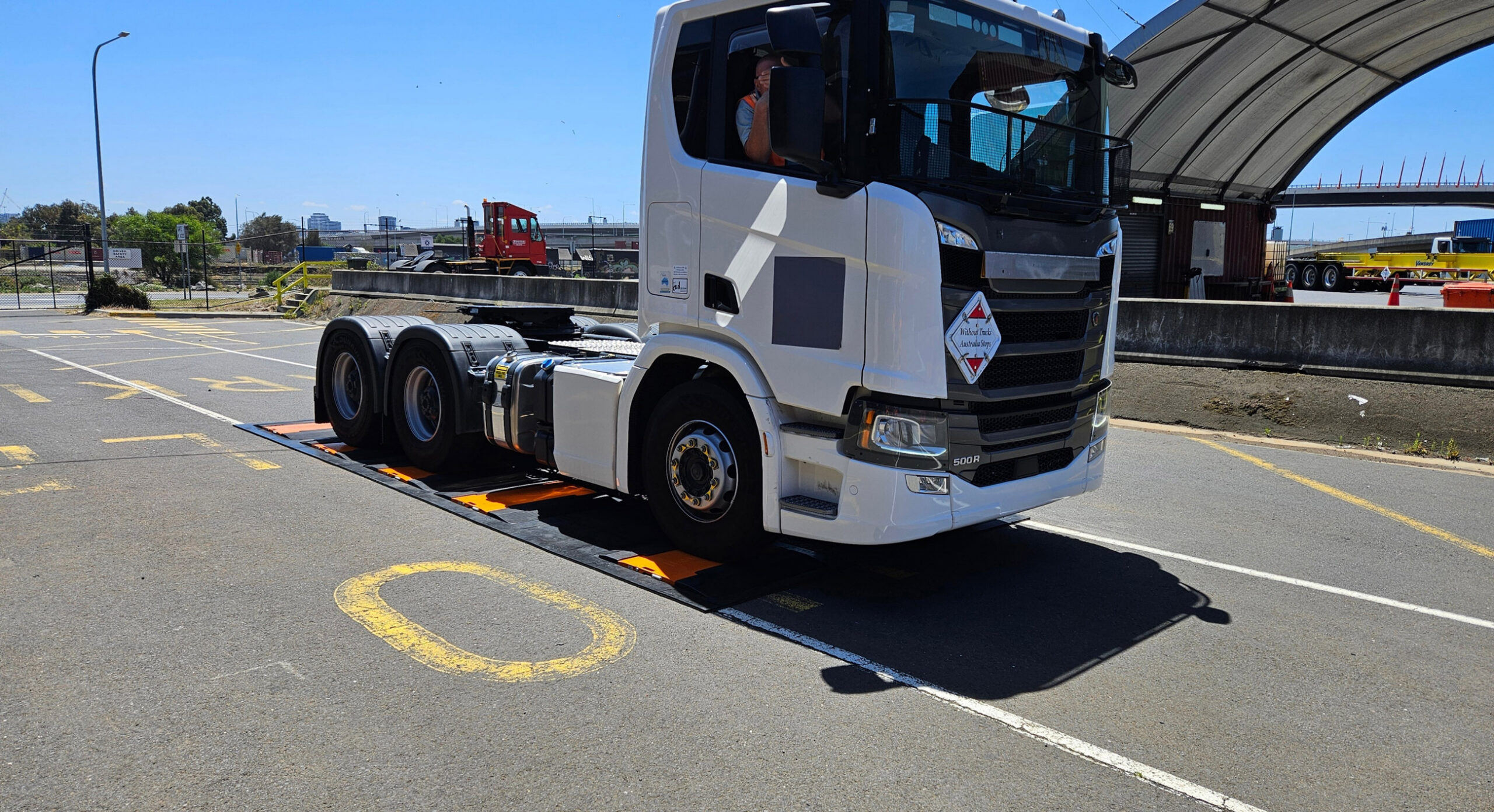
Where and how the truck is positioned is one of the simplest ways to improve accuracy when weighing multi-axle trucks. Even slight slopes or uneven surfaces can cause weight to be distributed unevenly across axles. This results in readings that do not accurately reflect actual operating conditions. When a vehicle is misaligned, the weight on each axle can appear lighter or heavier than it actually is.
Every weighing event needs a controlled setup. Each axle group must be fully and correctly placed on the weighing platform, with no partial contact or overlap. This is one of the most fundamental truck weighing methods. When applied consistently, it helps fleets stay within axle weight limits and prevent overloads before trucks leave the site.
Follow a Standardised Weighing Procedure Across Operations
Lack of consistency in the process leads to uneven results. Different drivers or sites may follow slightly varying procedures. Stopping positions may vary, weighing steps can change, and rechecks may be skipped under time pressure. These small differences can accumulate into errors over time.
More importantly, a standardised process removes that variability. Clear steps, such as defined stopping points, axle-by-axle sequencing and mandatory verification checks, ensure that every measurement is repeatable.
A standardised process helps your team weigh multi-axle vehicles more accurately and reduce guesswork. This reliable data helps operators avoid truck overload fines.
Optimise Load Distribution During the Loading Process
Accurate weighing starts during loading, not at the point of measurement. If weight is unevenly distributed during loading, no amount of post-checking will correct it without rework. Materials placed too far forward or towards the back can overload specific axle groups while leaving others underutilised.
In other words, loading should be treated as a controlled process guided by weight data. Using real-time feedback, you can make small adjustments as the load builds, rather than fixing issues later.
Using practical load-distribution techniques based on trailer configuration and axle spacing helps you balance the load from the start. As a result, it reduces the risk of axle overload in trucks.
Use Real-Time Onboard Weighing Systems for Immediate Accuracy
If you rely entirely on static weight checks, you might discover problems later. Your vehicle may seem compliant during loading, but could fail axle checks later at a weighbridge. Resolving this imbalance requires rework for unloading, loading repeatedly or repositioning. This might cause a delay, and you might need to shift the delivery schedules.
Real-time visibility changes this process. Instead of being treated as a final check, weighing becomes part of loading. Operators can monitor each axle group as material is added and make adjustments before the truck leaves the site. This reduces guesswork and helps deliver more consistent results.
In practice, systems like Truckmate and Force™ 1 – Truck Axle Scale provide this level of real-time weighing insight. By providing immediate axle weight data during loading, these systems help operators identify imbalances early and correct them on the spot.
Read More: TRUCKMATE or FORCE™ 1 – Find Out the Ideal Truck Weighing System for you
Regularly Calibrate and Maintain Weighing Systems
Even the best weighing systems lose accuracy over time without proper maintenance. Wear on load cells, sensor drift and environmental factors can introduce small errors that affect readings. These errors are often subtle but can lead to ongoing compliance issues if left unaddressed.
Regular calibration keeps measurements aligned with real-world conditions. Routine inspections and system checks ensure that data stays reliable for every load.
On top of that, well-maintained systems support weighing accuracy, giving you more confidence that each vehicle remains within truck axle weight limits.
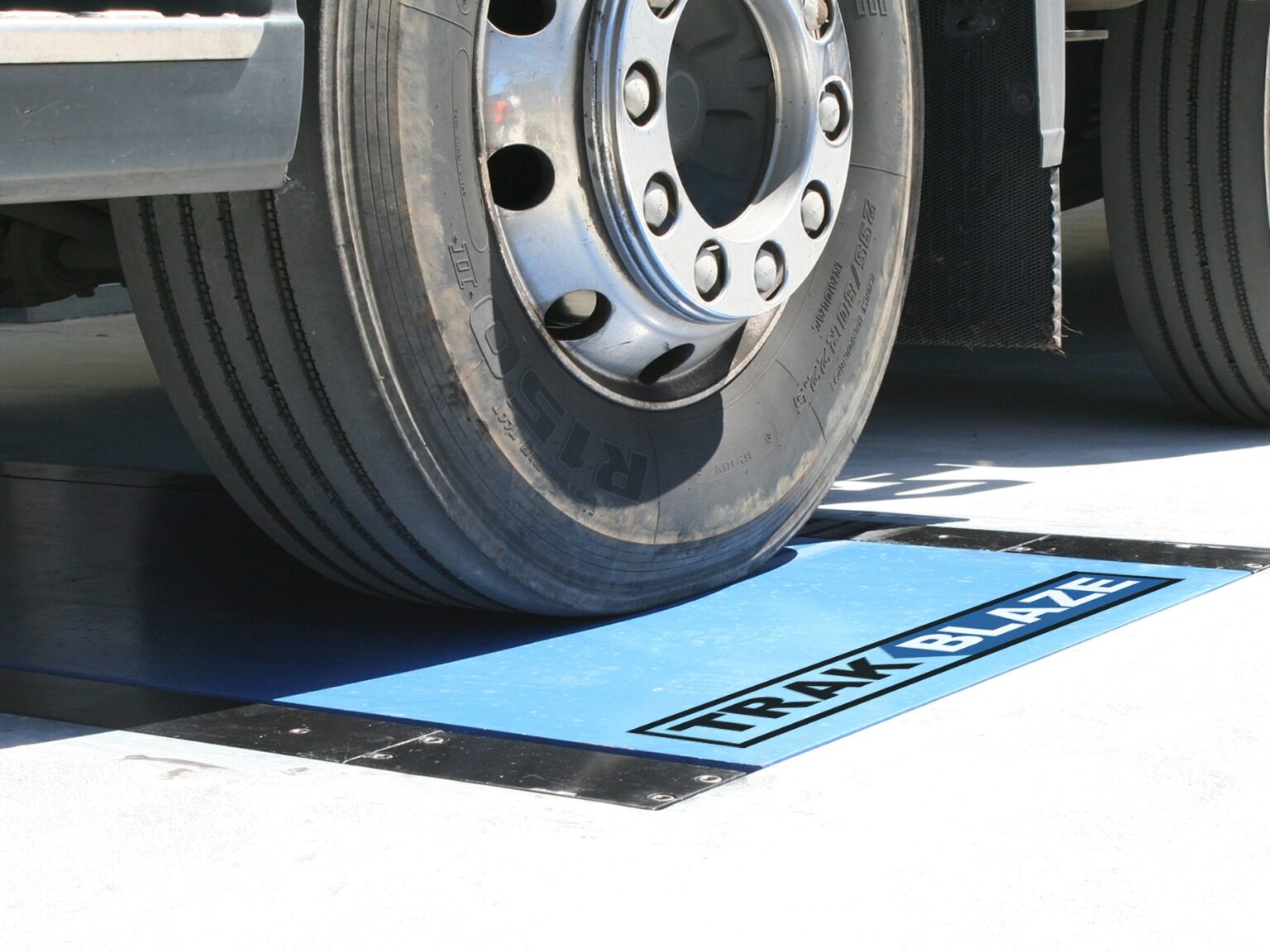
Read More: What Sets Trakblaze Truck Axle Scales Apart from Competitors?
Accurately weighing multi-axle trucks comes down to understanding that total weight alone is not enough. What matters is how that weight is spread across each axle. Simple steps like using a level surface, positioning the truck correctly and following a consistent weighing process can significantly improve accuracy. When you get these basics right, it becomes much easier to identify imbalances early and keep every load within legal limits.
At the same time, accurate results depend on how loads are handled and monitored throughout the process. Balancing the load during loading, using systems that provide real-time axle data and keeping equipment properly calibrated all work together to improve weighing accuracy and operational control. When these practices are applied consistently, you can reduce the risk of overloads and avoid unnecessary delays.
Still relying on guesswork when it comes to axle weights? It might be time to rethink how your fleet manages compliance. Working with Trakblaze, a reputable provider of weighing solutions, can give you the visibility and control needed to keep every load accurate. Contact us today to choose the right weighing system and improve weighing accuracy across your fleet.
FAQs
How does load type affect axle weight distribution?
Load type directly affects how weight is distributed across a truck’s axles because different materials behave differently during loading and transport. Loose materials such as sand or gravel can shift and concentrate weight on certain axles, while liquid loads move during transport and cause dynamic changes in axle weight.
Can the truck suspension type influence axle weight readings?
Yes, the truck suspension type can influence axle weight readings. Air suspension systems help distribute weight more evenly across axles, improving load sharing and producing more consistent readings. Mechanical suspension does not self-level in the same way, so uneven loading can place excess weight on specific axles.
What role does driver behaviour play in maintaining accurate axle loads?
Harsh braking, rapid acceleration and sharp cornering can cause loads to shift and temporarily overload certain axles. Smooth, controlled driving helps keep weight more evenly distributed and closer to the intended balance measured at loading.
What factors can affect the accuracy of a truck weighing system?
Several factors can affect the accuracy of a truck weighing system, including uneven ground, improper vehicle positioning, poor calibration, worn load cells and environmental conditions like dust or moisture.
What should you consider when choosing a truck scale for your operation?
When choosing a truck scale, consider the type of loads you handle, the level of accuracy you need, axle-level measurement capability and whether static or dynamic weighing suits your operation.