


At a glance
- Weighing freight vehicles during peak periods can create bottlenecks, load risks and dispatch pressure.
- On-site truck scales improve truck flow through faster weighing, earlier load checks and fewer disruptions.
- Axle monitoring, lower yard congestion and in-motion weighing help maintain throughput during busy periods.
- Real-time weight data helps improve dispatch decisions and manage freight movement more consistently.
Peak freight periods add strain to your transport operations, especially in weighbridge areas. Increased truck movements and short dispatch windows delay routine tasks such as load verification and truck flow management. Furthermore, bottlenecks, delays and overloading become more evident as freight volumes rise.
The pressure further increases if the weighing process is time-consuming. Relying on off-site truck scales or public weighbridges may add travel time, queues and scheduling delays. During busy periods, these issues can affect efficiency across the freight cycle.
On-site truck scales help by bringing weight checks closer to your operation. With faster weighing and load verification, they improve freight flow during high demand.
This blog explains the key peak freight weighing challenges and how on-site truck scales improve truck flow, load control and operational efficiency.
Why Peak Season Freight Creates Weighing Challenges
The weighing process that is easy to manage during a standard freight period can become harder to control when movements increase. Some common peak season weighing challenges include:
- Higher Freight Volumes Increase Bottlenecks: More trucks moving through a site can create congestion at weighing points, especially when several vehicles need checks within short timeframes. Delays at the scale can slow dispatch flow, extend truck turnaround times and create pressure across connected loading operations.
- Faster Loading Cycles Increase Risks of Weight Error: Peak periods often require teams to load and dispatch trucks more quickly. This can increase the risk of incorrect load weights, uneven axle distribution and missed checks. Without thorough checks, overloaded vehicles can pass the scales without any issues being identified before dispatch.
- Tight Schedules Reduce Time to Fix Weight Issues: When dispatch windows are tight, there is less opportunity to identify and correct weight problems before trucks leave the site. Weight issues that could have been corrected early may instead cause reloads, delays and schedule changes.
- Higher Throughput Places Pressure on Compliance Control: More truck movements mean more weight records, checks and compliance tasks to manage. This increases the administrative and operational workload for your dispatch teams. Under pressure, teams may find it harder to maintain consistent weight checks and records. The risk increases when weighing processes cannot keep pace with higher vehicle throughput.
- Off-Site Weighing Adds Delays: Public weighbridges add travel time on top of the actual delivery time, delaying consignment. If any weight issue is identified, the back and forth for weight adjustment further slows down the operation
How On-Site Truck Scales Improve Truck Flow During Peak Freight Periods
On-site truck weighing brings weight checks closer to loading and dispatch. This gives you better control over truck flow when peak demand puts pressure on schedules and throughput. Here’s how on-site truck scales support peak season freight management:
Faster On-Site Weighing Reduces Dispatch Delays
By installing weighbridges on-site, weight verification can be kept within the operation site, improving efficiency. In comparison to off-site scales, confirming loads and dispatching the vehicles for movement is quick and non-interruptive.
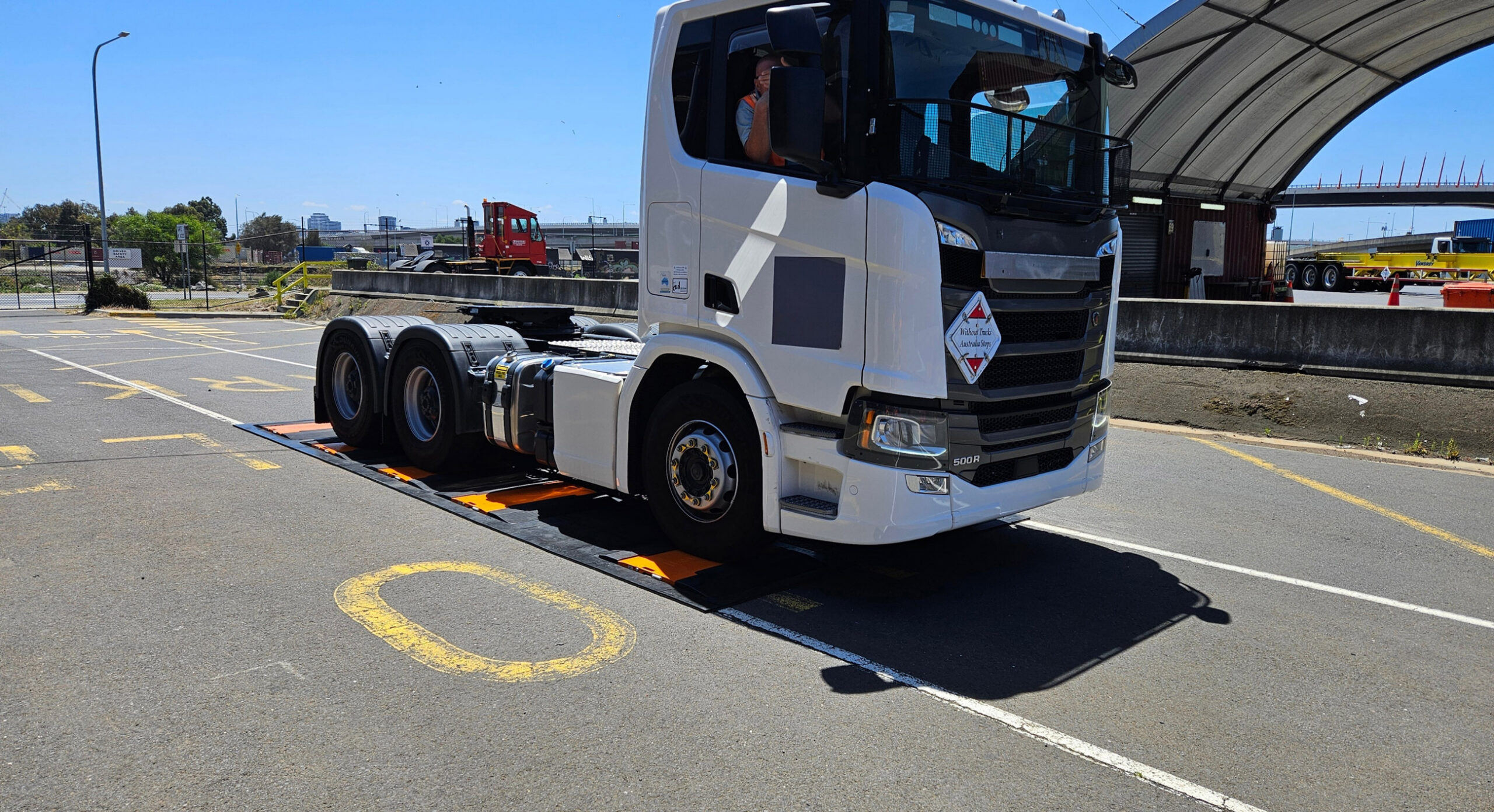
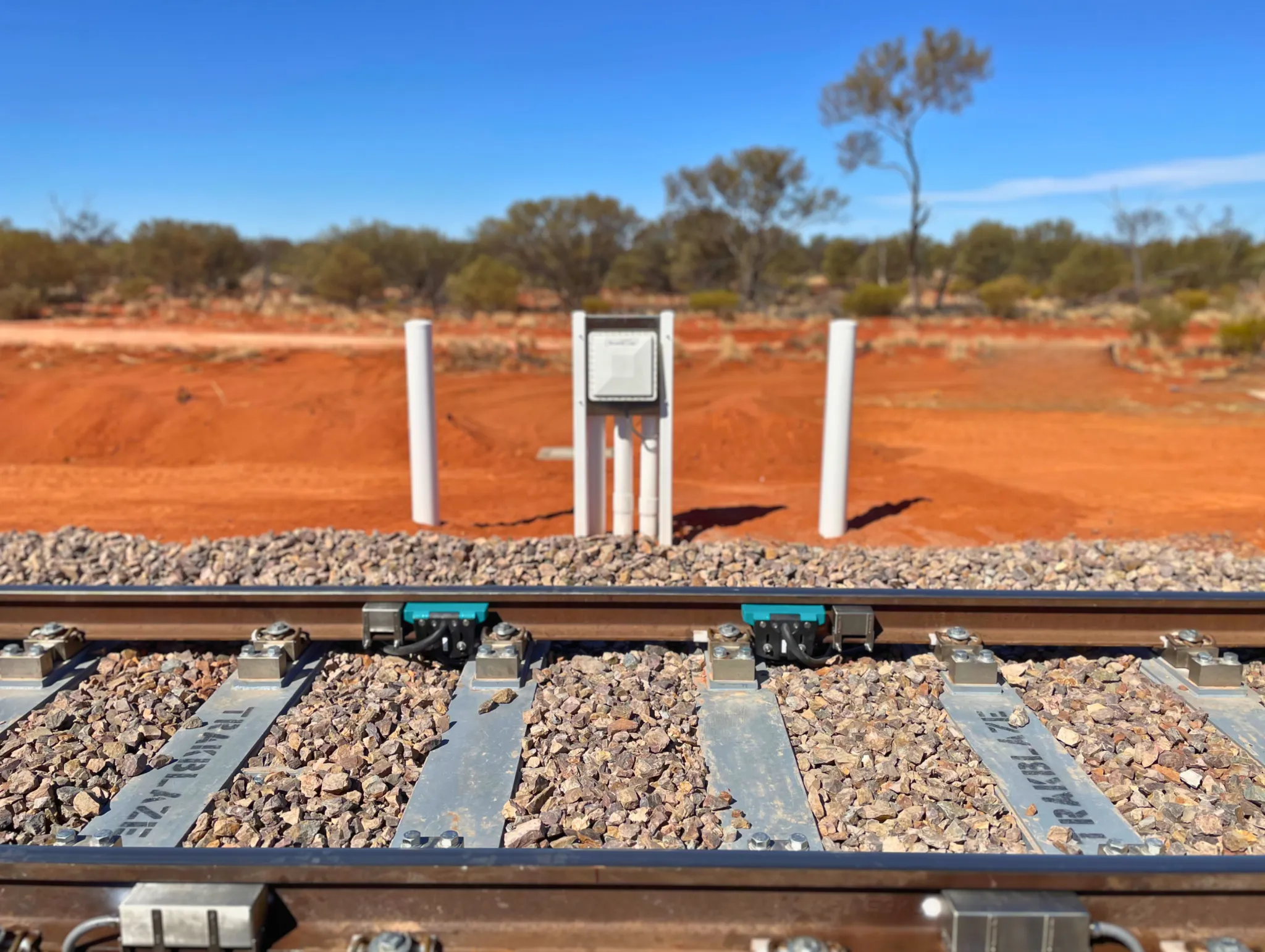
A smart in-motion weighbridge system like the Force1 Truck Axle Scale supports quick axle weighing at your operation site, which helps weight checks keep pace with truck movements.
Moreover, when vehicles clear dispatch sooner, pressure at loading areas eases and scheduling becomes easier to maintain. Truck dispatch efficiency depends on more than loading speed. It also depends on how quickly trucks move through verification.
Early Load Checks Minimise Rework and Return Trips
Your team has limited time to identify overloading issues when trucks are ready to move during peak periods. If weighing takes place at your site, you detect the problem earlier so your team can adjust loads quickly before vehicles leave the site. This reduces the chance of rework disrupting already tight schedules.
Resolving weight issues early also improves consistency in freight handling. Fewer return trips and reloads can help you maintain steadier truck movement when freight volumes rise. During peak season, small delays can quickly affect the wider operation, so early correction is critical.
Improved Axle Weight Control Supports Consistent Truck Movement
If axle loads are uneven in trucks, additional time is required to adjust them. Better load weight verification helps you identify imbalances earlier and confirm whether loads are ready for dispatch.
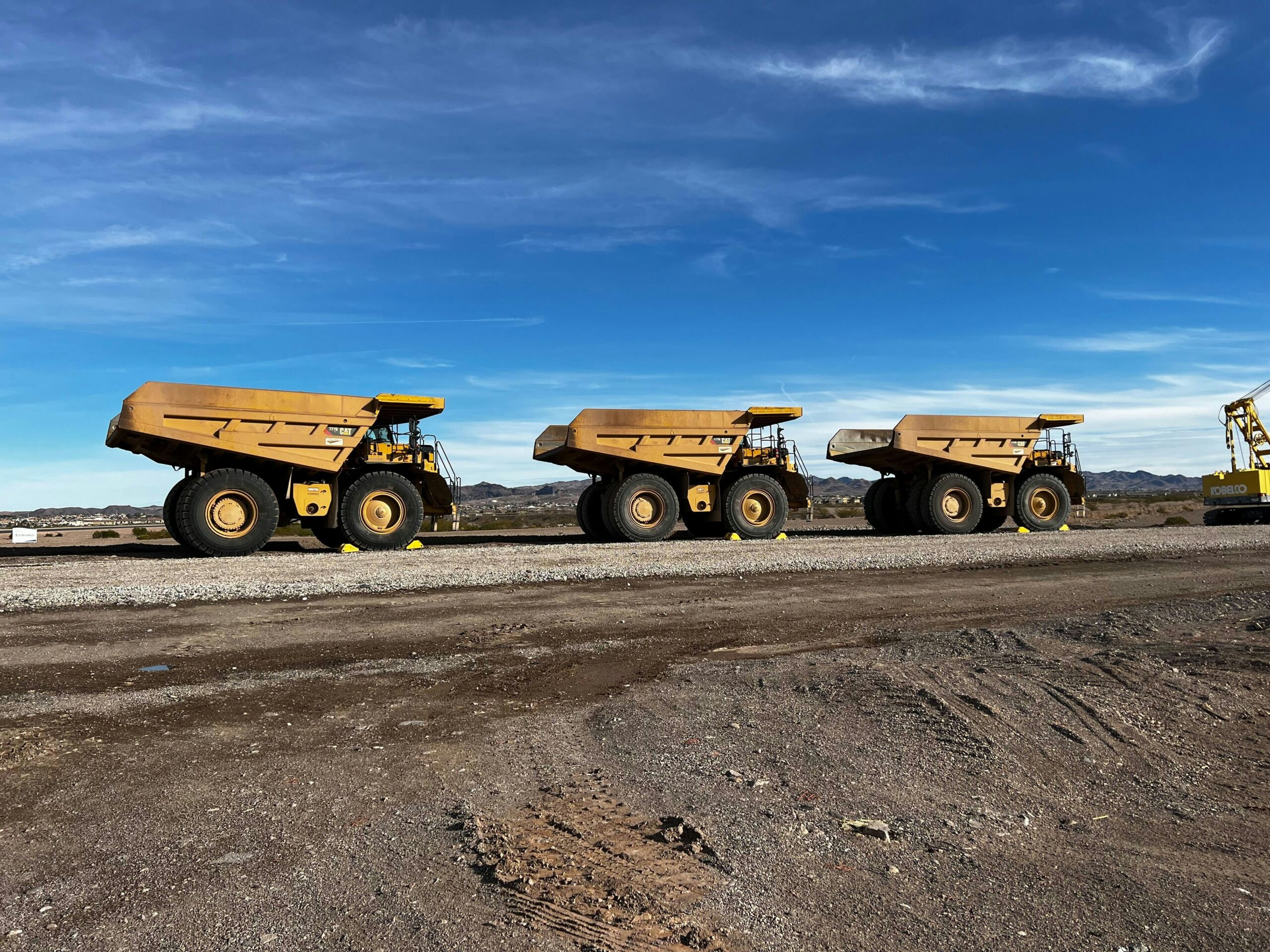
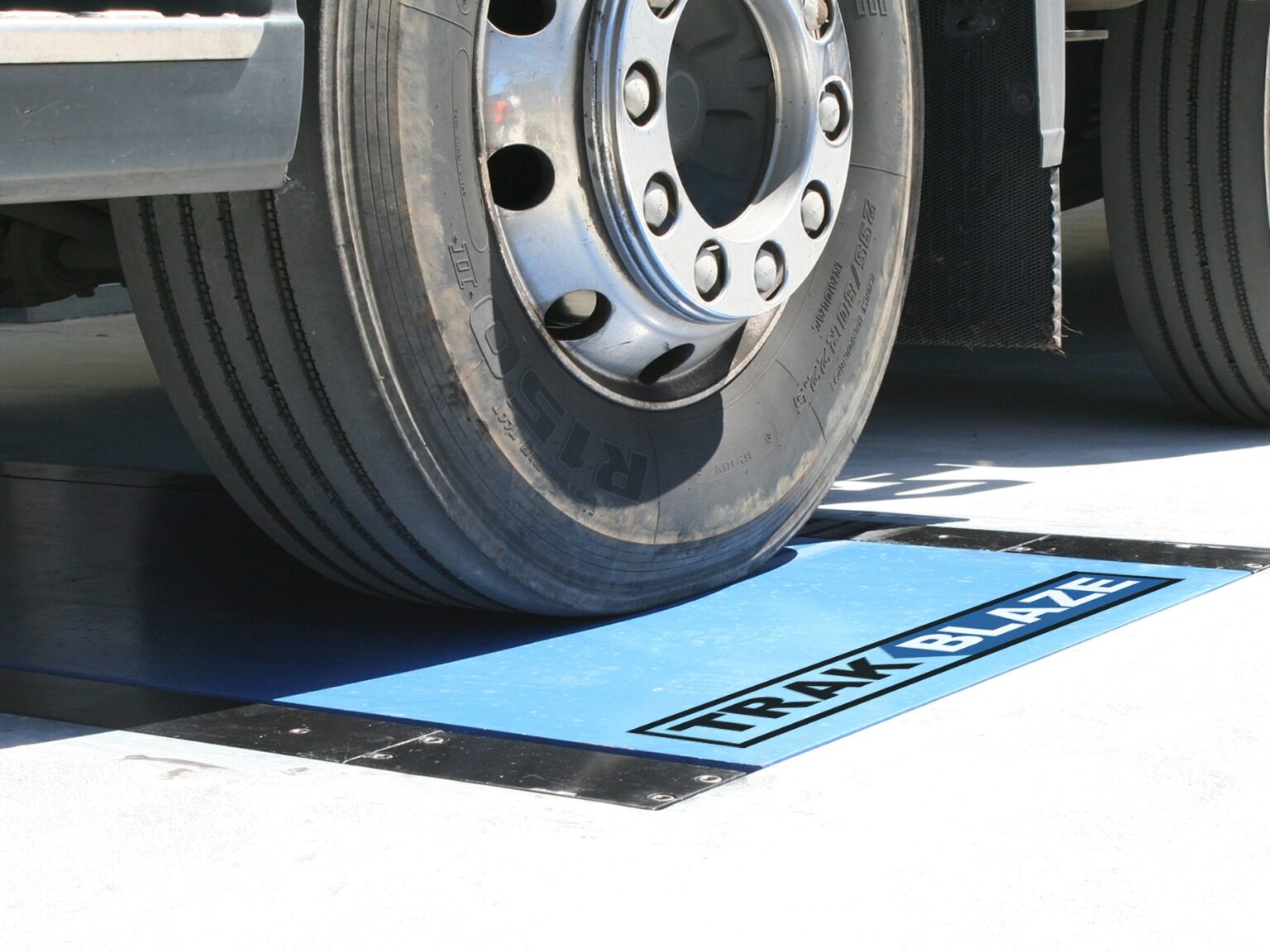
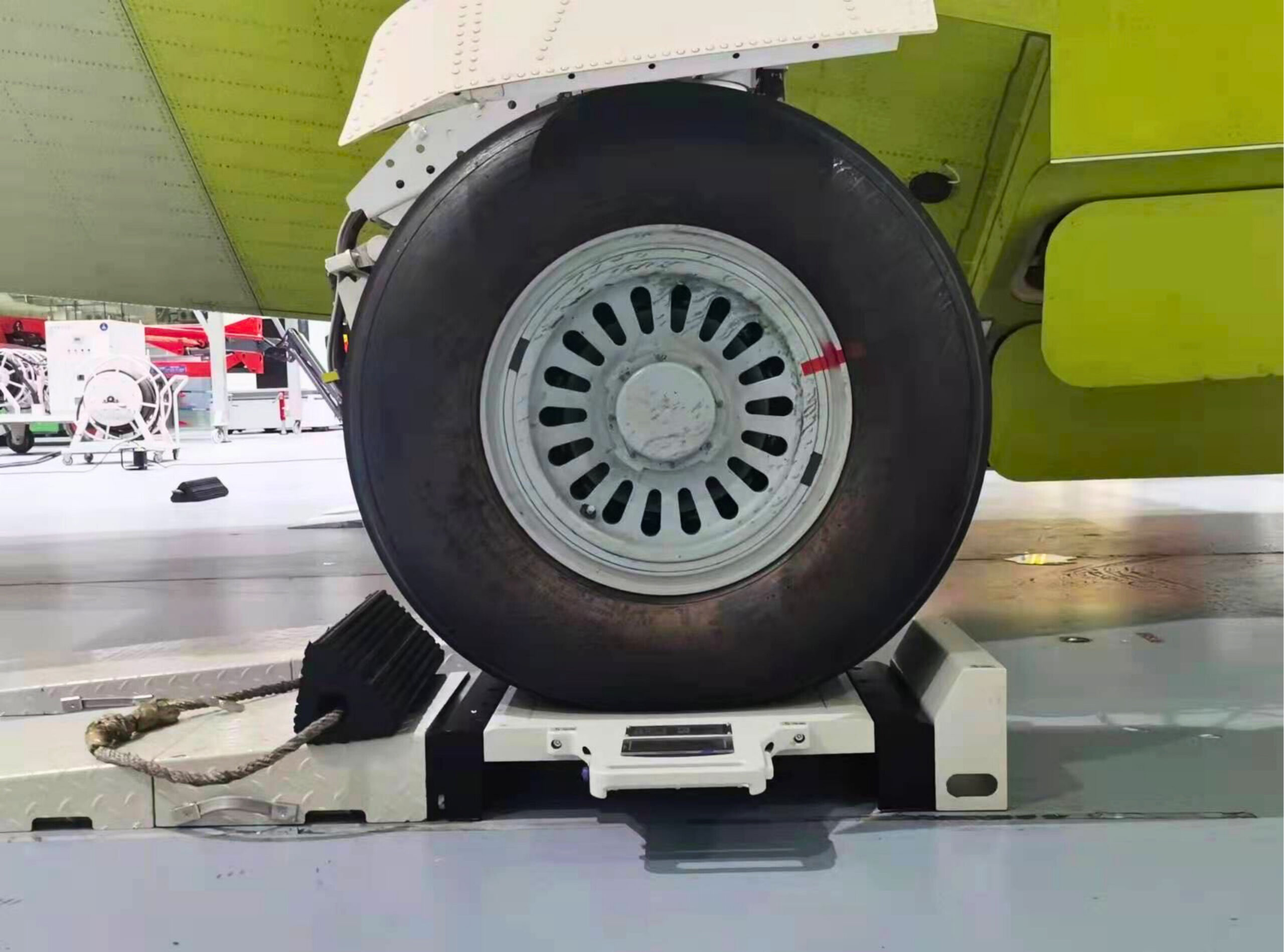
FORCE 2 & 4 Mining Truck Scale uses individual weigh pads to measure axle weight statically or in-motion. The system provides detailed load balance visibility in each wheel and axle combination, not just gross vehicle mass (GVM). This is important for maintaining consistent vehicle movement in heavy-duty operations.
Some additional advantages of axle load weighing systems are listed below:
- Helps understand load distribution patterns in different truck types
- Improves accuracy in monitoring axle-specific weight variations
- Supports better planning of loading practices for your future freight cycles
On-Site Scales Help Reduce Queues and Yard Congestion
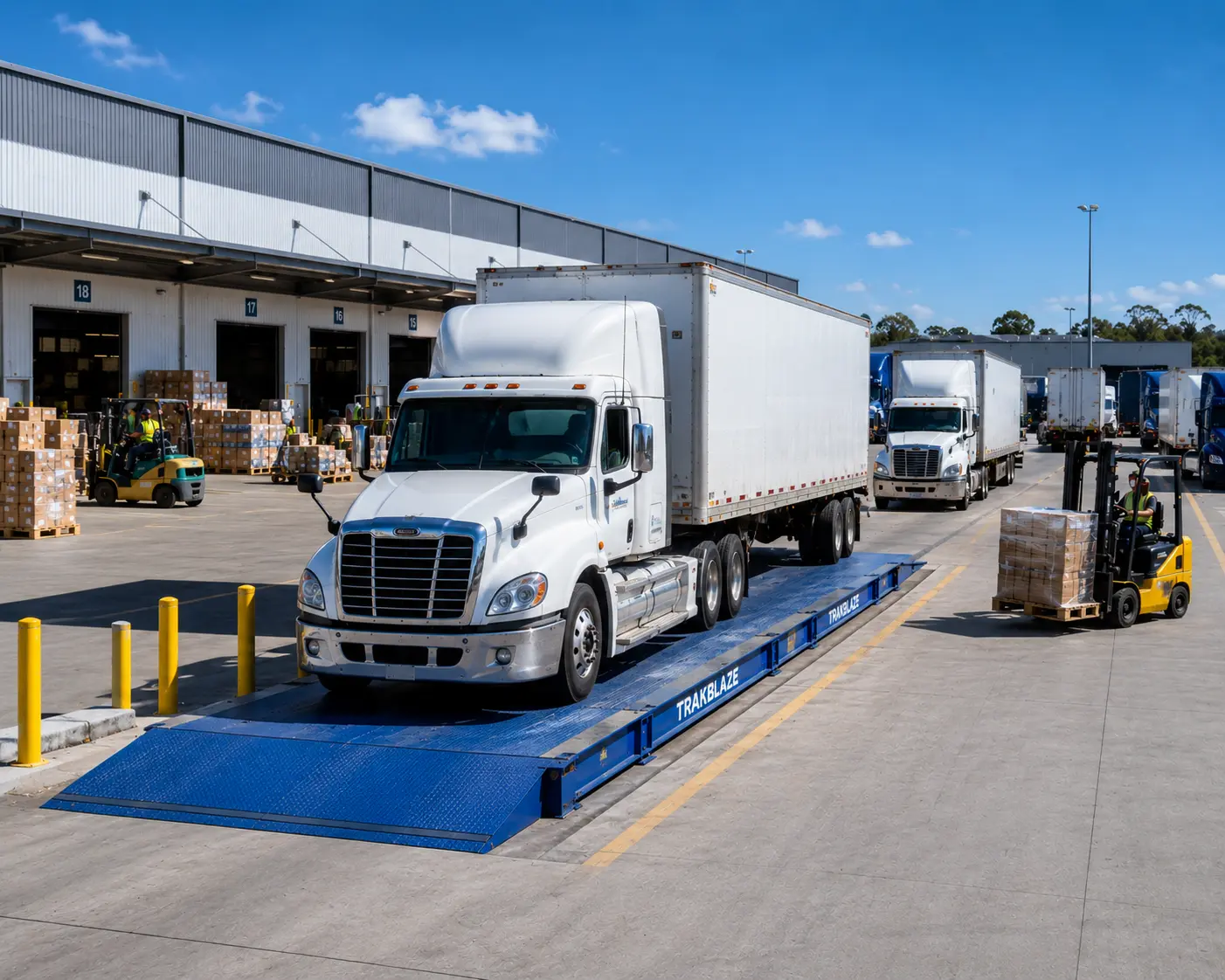
As truck volumes increase, loading zones and dispatch points can become congested quickly. Weighing trucks on-site eases this pressure by reducing delays associated with verification, allowing vehicles to move more steadily through those areas.
Truck flow also improves when there are fewer bottlenecks at key access points. When trucks experience shorter wait times, turnaround times can improve, simplifying yard traffic management. In practice, freight weighing solutions affect both weighing accuracy and the smoothness of vehicle movement through the site.
Portable and In-Motion Systems Support High-Volume Throughput
Some operations require weighing methods according to the frequency of movement. Portable and in-motion systems can help meet that need by fitting into workflows where throughput is a priority. This can be valuable during periods when truck volumes rise sharply.
- In-motion scales can measure vehicle weight during movement, making them suitable for operations with frequent vehicle movement.
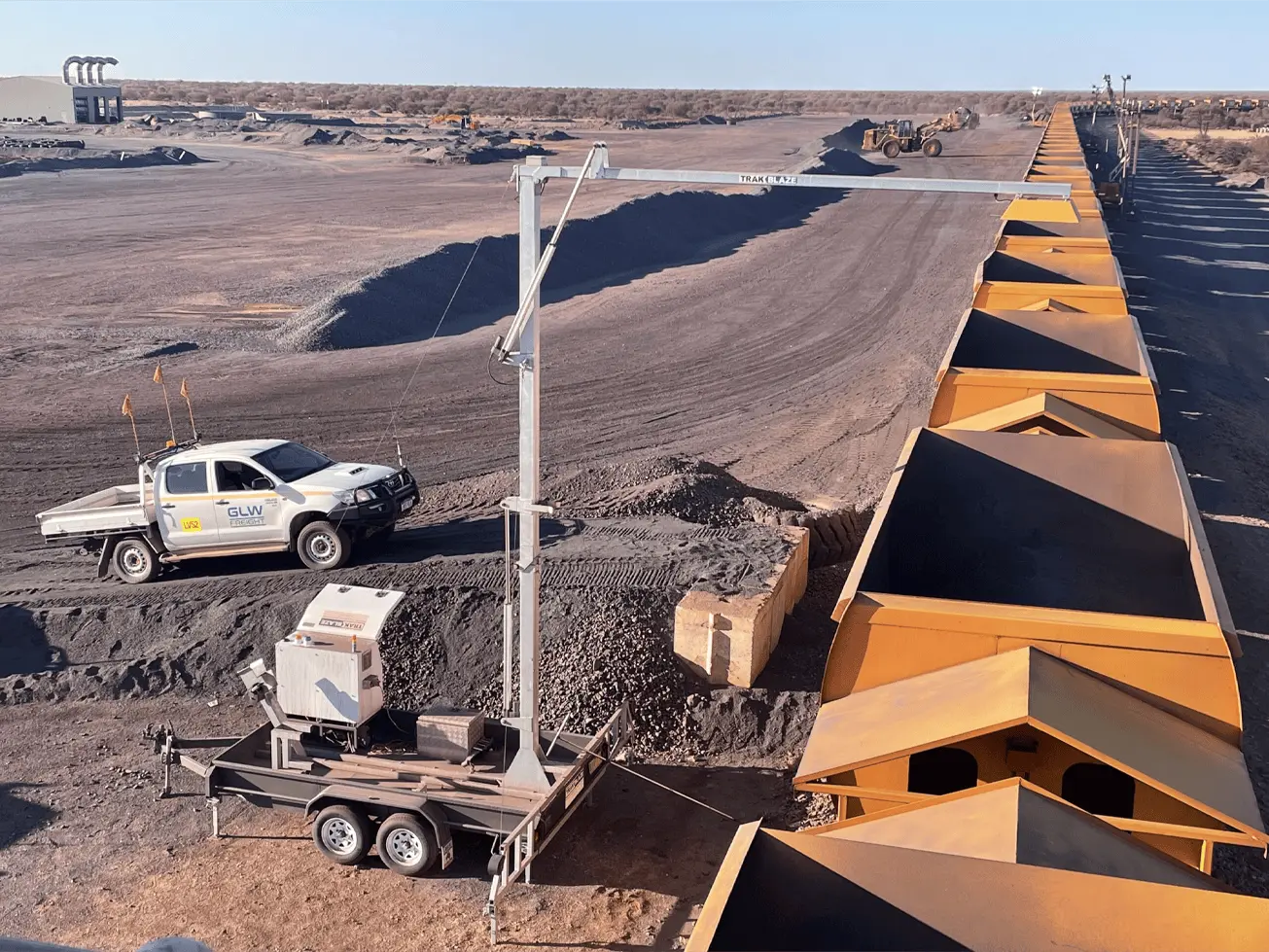
- Portable weighing systems can provide flexibility with installation and easy access, especially in remote logistics operations.
- Weighing within the workflow helps maintain throughput under pressure
For instance, solutions like TRUCKMATE demonstrate this approach by providing portable and in-motion or static weighing designed for flexible operations. This approach helps maintain a more efficient workflow in busy freight environments.
Real-Time Weight Data Improves Freight Flow Decisions
Truck flow often depends on how quickly operators respond to changing conditions. Site-based weighbridge systems that provide real-time weight data improve visibility over loads, dispatch timing and truck movement. This helps your teams identify pressure points earlier and make adjustments before delays occur. It can lead to quicker decisions when freight volumes strain throughput.
Real-time data can enhance planning across the entire operation. Access to weight and movement patterns allows you to adjust dispatch sequencing, respond to changing demand and manage truck flow more consistently. During busy periods, this can help streamline freight logistics and improve overall operational control.
Peak season freight puts pressure on truck flow, load control and dispatch timing. As demand rises, delays and disruptions become harder to avoid. On-site truck scales help ease this pressure. They improve weighing speed, allow earlier load checks, reduce bottlenecks and support smoother truck movement across busy operations.
With better control over your dispatch flow, load accuracy and throughput, truck weighing systems can help you maintain freight handling during high-volume periods. In busy seasons, that extra control can make your operations easier to manage and help maintain steadier freight movement.
If you are looking to improve freight handling during peak demand, consider the role of on-site weighing in your operations. Partner with Trakblaze, an on-site truck weighing solutions provider, to support smoother and more controlled freight operations.
Contact our team today to explore the right on-site weighing solution for your operations.
FAQs
How do I know if my operation needs a permanent or portable truck scale?
A permanent truck scale generally suits fixed sites with high truck volumes, frequent weighing needs and long-term operations. In contrast, a portable truck scale may suit operations with multiple sites, temporary projects, infrequent weighing or space constraints.
What is the difference between a truck scale and a truck weighing system?
A truck scale is the physical equipment used to weigh vehicles or axle loads. It measures weight at a specific point. In comparison, a truck weighing system includes the truck scale along with software, data capture and reporting tools used to analyse and manage weight information.
What should I consider before selecting a truck scale for mining applications?
Before choosing a truck scale for mining applications, consider the type of vehicles being weighed, expected axle loads, site conditions and required weighing accuracy.
How does truck scale site selection affect weighing accuracy and long-term performance?
Truck scale site selection affects accuracy because ground stability, drainage, approach conditions and traffic flow all influence weighing consistency. Poor placement may contribute to measurement errors, vehicle positioning problems and unnecessary operational delays.
Can truck scales improve freight handling in large retail distribution centres?
Yes, truck scales can improve freight handling in large retail distribution centres by verifying incoming and outgoing loads, improving dispatch accuracy and supporting smoother vehicle flow at loading docks.