

At a glance
- Manual vehicle weighing systems can increase administrative burden by adding more record handling, reporting and error correction work.
- Automated vehicle weighing minimises manual admin tasks by improving how weight data is captured and managed.
- Weighing system features such as system integration and centralised data can strengthen record control and operational oversight.
- Reducing admin friction helps industrial operations maintain more consistent, manageable workflows.
In industrial operations, vehicle weighing doesn’t end once a load is measured. Tasks such as recording data, managing tickets, reconciling records and preparing reports happen every operating day. When handled manually, these tasks can lead to delays, duplicate work and data errors.
This is where automated weighing systems can make a difference. By automating how weighing data is captured, processed and managed, they reduce manual admin tasks and make information easier to access. The value is not only faster weighing; it is also less admin work in every transaction.
This blog explores how automated weighing solutions reduce administrative burdens in weighing operations. It highlights how these systems improve efficiency and operational control across mining, rail and logistics sectors.
What Administrative Tasks Slow Down Weighing Operations?
Let’s look at some common admin tasks that can slow down weighing operations. These routine processes often create delays and add extra workload in day-to-day operations.
- Manual Data Entry of Weight and Load Information: Entering weights, vehicle IDs, load details and operator information by hand can slow each transaction. Recording the same information in multiple places takes time and makes each transaction harder to manage. Bottlenecks can also form when operators have to manage weighing and data entry at the same time.
- Preparing and Managing Weigh Tickets: Weigh tickets usually involve more than printing or issuing a ticket at the weighing point. They may need to be printed, checked, filed, retrieved and matched to later transactions. As transaction volumes increase, this process becomes slower and harder to control.
- Reconciling Weight Records Across Systems: Weight data often needs to align with dispatch records, production logs and other operational records. When these are managed separately, you may spend considerable time checking figures, matching transactions and resolving inconsistencies. This can slow administration and delay invoicing, dispatch or reporting workflows.
- Compiling Compliance and Operational Reports: Manual reporting usually means collecting data from several records, checking that nothing is missing and formatting it for audits or reviews. This process can take a long time, especially when reports are frequent or documentation requirements are strict.
- Checking, Correcting and Following Up on Record Errors: Missing information or incorrect entries can create extra work after a vehicle has been weighed. You may need to investigate issues, confirm details and amend records, which can cause workflow interruptions and unnecessary delays.
How Automated Weighing Systems Reduce Admin Work and Improve Control
With admin pressure points in mind, it becomes easier to see where automated weighbridge features make a practical difference in reducing manual work and improving control over weighing processes. Here are the key features that make a practical difference:
Automated Data Capture Reduces Manual Entry Work
Automatic weight and load data capture eliminates the repetitive admin that comes with manual record keeping. Instead of writing down transaction details and re-entering them later, operators can rely on data captured once and stored digitally. This can lower the risk of errors created during manual input.
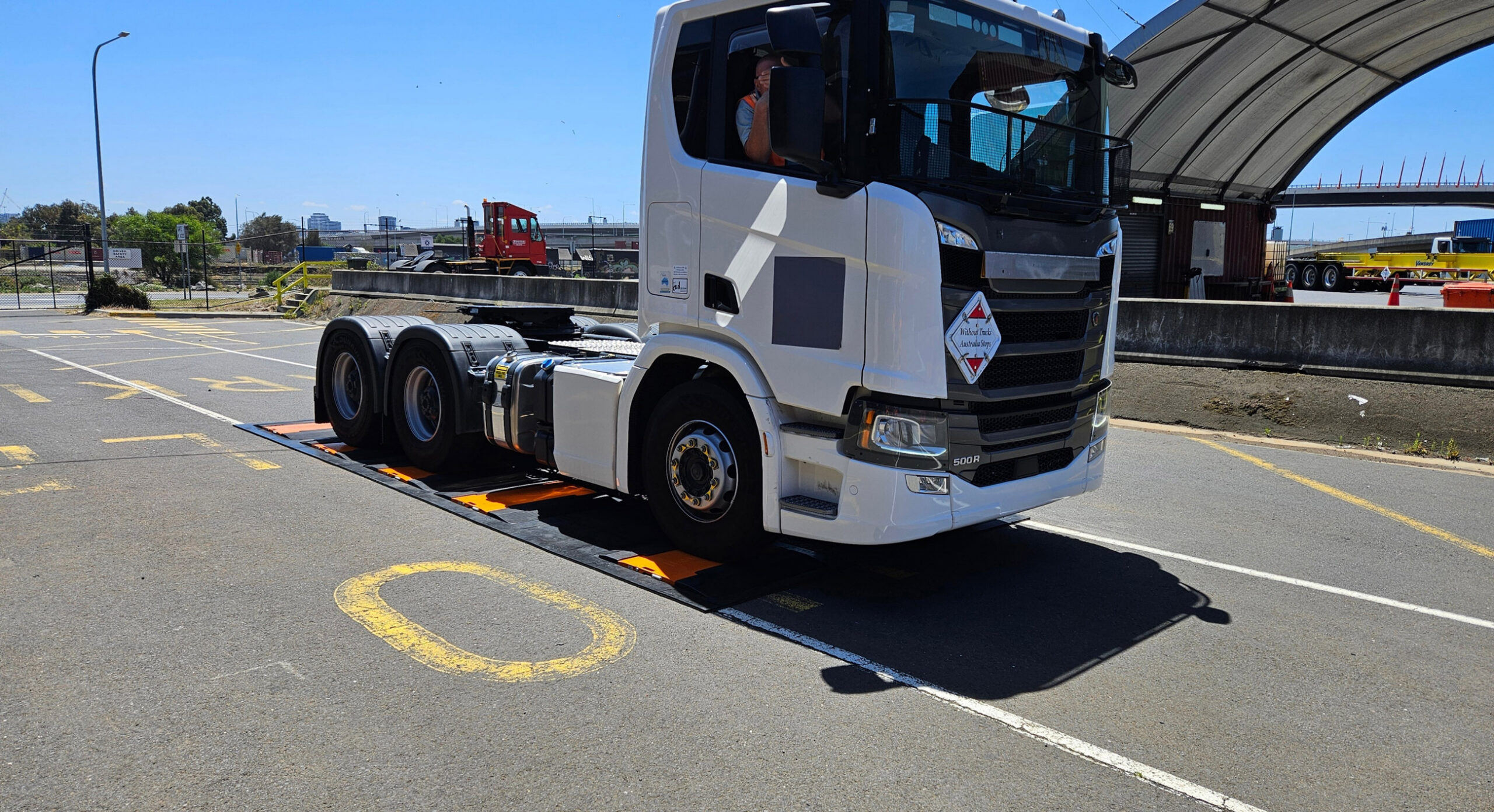
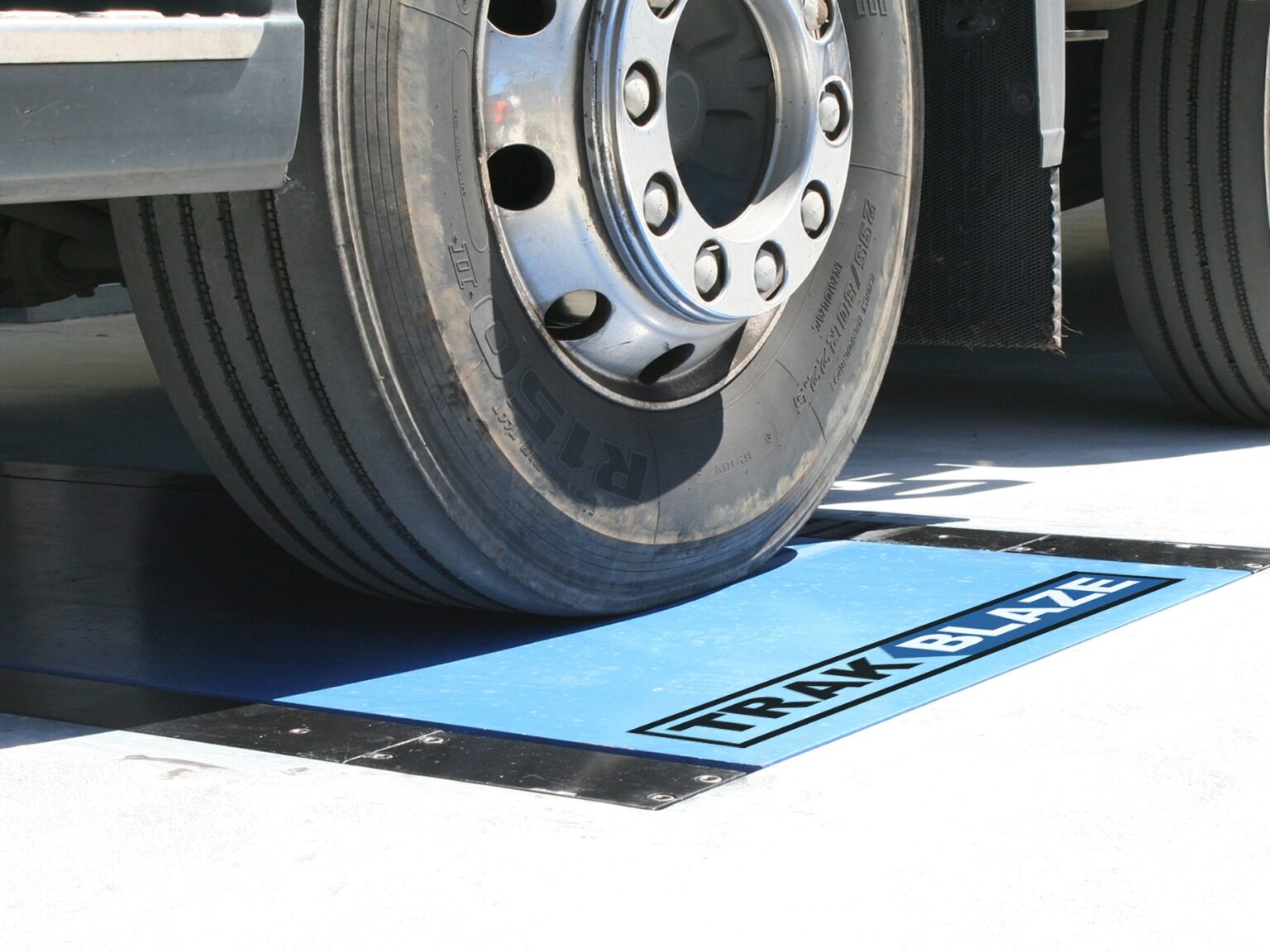
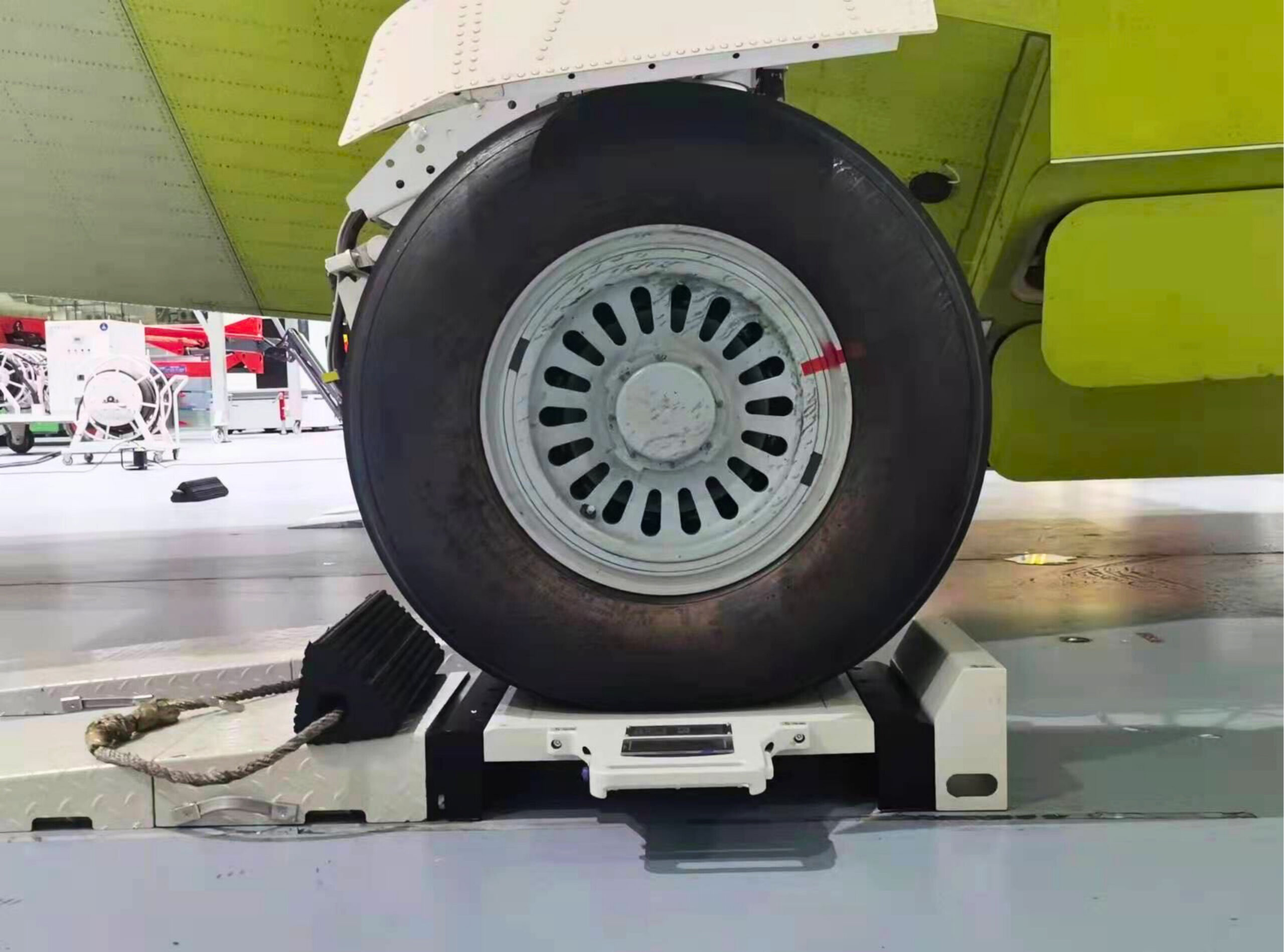
In high-volume environments, that reduction in data handling can also help ease pressure on staff managing both weighing and administration. Systems that support automated load data capture, such as the) FORCE 1 Truck Axle Weigher, can also provide digital transfer and instant printouts. This reduces the manual effort required to issue and manage weight records.
In practice, this translates into several clear administrative benefits:
- Eliminates the need to manually re-enter weight data across systems or records
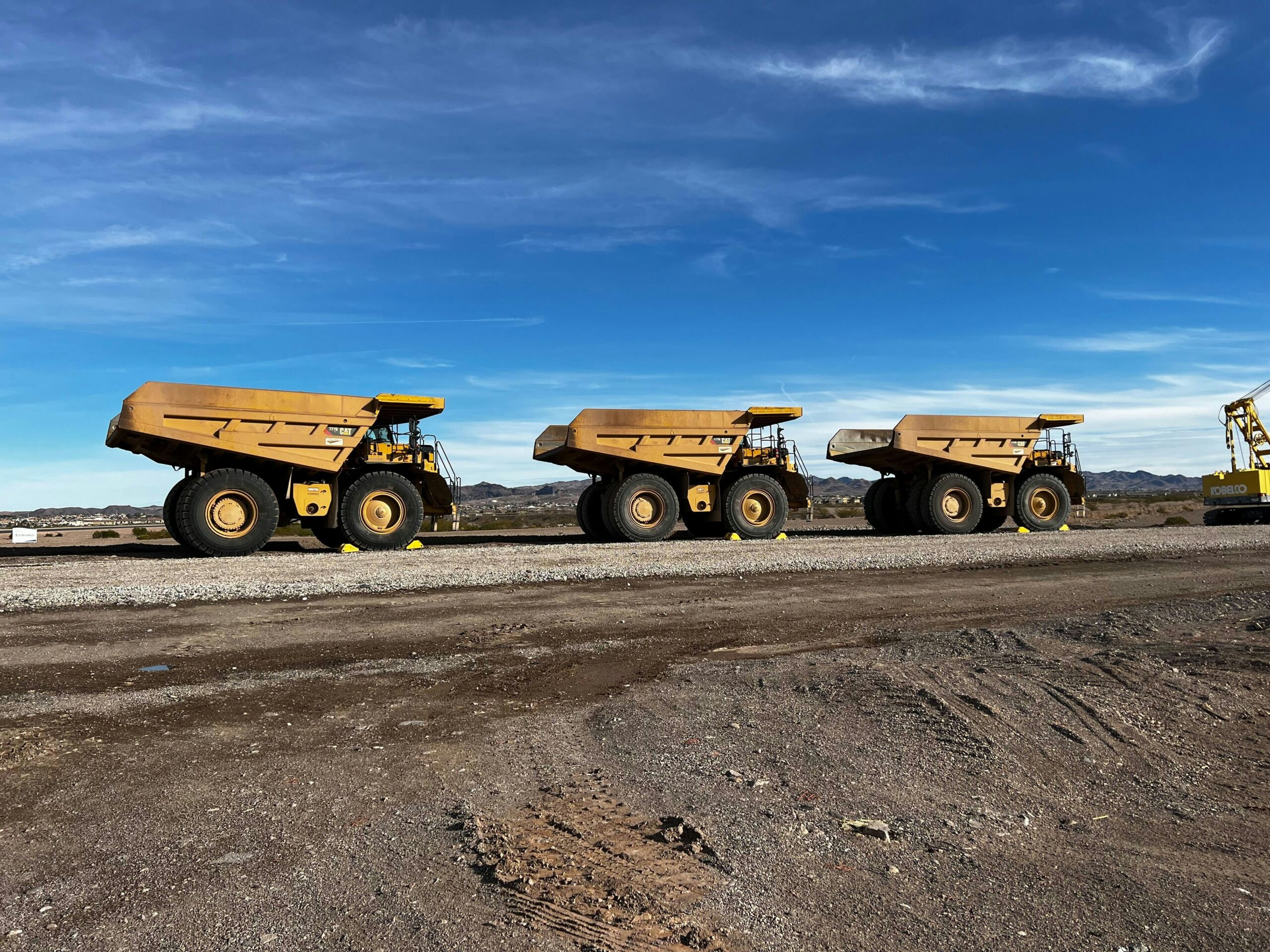
- Speeds up transaction processing in high-volume weighing environments such as mining operations
- Improves consistency across recorded weight information
System Integration Simplifies Record Reconciliation
Administrative delays often occur when weight records sit separately from dispatch, invoicing and production data. Connecting these records can reduce the time spent checking spreadsheets or manually matching information. This is where weighing software integration can reduce the administrative effort required for record reconciliation.
With TCP/IP-based data transfer, INFINITY enables real-time sharing of weight data and simplifies record management across operational systems. This makes it easier to access weighing information along with related operational data. It can eliminate duplicate record handling and improve control over transaction records.
Read More: Automation and Systems Integration to Deliver Quality Outcomes, Underpinning Commercial Success
Automated Reporting Eases Compliance Administration
Frequent documentation requirements can make manual report preparation a heavy admin task.
Automated reporting can reduce the repetitive work involved in compiling load summaries, retrieving records and preparing documentation for audits or internal reviews. That can be particularly valuable where reporting obligations are ongoing.
Improved access to historical records can minimise the time and effort required to retrieve documents. When supported by automated reporting for weighbridge operations, processes become more consistent and easier to manage. This can help lower the repetitive tasks related to compliance records.
Real-Time Visibility Reduces Administrative Follow-Up
A common challenge in weighing operations is the time spent chasing information. You may need to confirm transaction details, request updates or manually check the status of records before other processes can continue. Having access to real-time weighing data can eliminate much of that administrative work.
Remote visibility gives teams access to weight data without repeated internal checks. This can help reduce interruptions, improve response times and enhance control over weighing information.
Digital Validation Minimises Rework from Weighing Data Errors
Admin pressure often increases after an error occurs. Much of the impact comes later, when staff need to investigate discrepancies, correct records and resolve issues caused by inaccurate data. Digital validation can identify inconsistencies earlier, which limits rework related to avoidable record issues.
Where calculations are part of the weighing process, automated checks can reduce manual verification and improve data consistency. This can reduce the administrative work required to manage the documentation that often follows inaccurate or incomplete information.
It results in several practical improvements:
- Improves confidence in data before it enters invoicing and audit workflows
- Helps maintain consistent records across multiple operational systems and teams
- Reduces back-and-forth between departments when verifying weight-related entries
Centralised Data Management Supports Multi-Site Control
Managing records across multiple locations becomes harder when data sits in separate systems or follows inconsistent processes. Centralising records can reduce fragmented administration and make it easier to manage information across assets, sites or fleets. This is where centralised weighing data management strengthens administrative oversight.
Standardising digital weighing records can also make reporting and oversight easier at scale. For operations spanning multiple sites, centralised access can reduce the effort required to retrieve records and compare information. It also helps maintain consistent administrative processes across the business.
Manual weighing often creates burdens beyond the weighing point, including record handling, reporting and compliance administration. Investing in an automated weighing solution can help reduce many of the administrative tasks that slow weighing operations. By streamlining how weighing data is captured and accessed, these systems minimise repetitive admin work, improve record control and make daily operations easier to manage.
For industrial operators, this means less administrative friction and more consistent workflows. It also supports stronger operational oversight as data volumes grow. Beyond improving efficiency, automated weighing systems make it easier to manage the information and processes behind every weighing transaction.
If your weighing processes are creating administrative pressure, it may be worth exploring how Trakblaze, an industrial weighing solutions company, can help improve efficiency. We offer a range of automated weighing systems that enhance operational control and reduce administrative burden. Get in touch with us to explore the right solution for your operations.
FAQs
What should you consider when choosing an automated weighing system?
When choosing an automated weighing system, consider whether it suits your operational requirements, supports the level of automation you need and integrates with existing systems. It is also important to assess reporting capabilities, compliance support, scalability and supplier reliability. Read our blog on things to look out for when selecting a weighbridge supplier to learn more.
Can automated weighing systems support compliance and audit preparation?
Yes, automated weighing systems can support compliance and audit preparation by improving record accuracy, storing weight data digitally and making records easier to retrieve when needed.
How do you know when it is time to move from a manual to an automated weighing system?
It may be time to move to an automated weighing system when manual processes begin creating delays, frequent record errors or a growing administrative workload.
How do you choose the right weighing solution for your industry?
Choosing the right weighing solution starts with assessing your operating environment, load types, transaction volumes and compliance requirements.
How does weighbridge automation, combined with technology, improve supply chain efficiency?
Weighbridge automation can improve supply chain efficiency by supporting faster transaction processing, better data visibility and stronger coordination across transport.