





At a glance:
- GVM defines the total vehicle weight, while axle load determines how that weight is distributed across the vehicle’s axles.
- A vehicle can meet GVM limits but still be non-compliant if one axle is overloaded.
- Uneven load distribution across axles impacts vehicle stability, increases wear and raises maintenance costs.
- Managing both GVM and axle load together improves weighing accuracy, compliance and overall fleet efficiency.
The performance, compliance and safety of a fleet are influenced by how vehicles are loaded. It’s not just about how much weight a truck carries. It’s also about how that weight is distributed across each axle. Even small imbalances can impact vehicle stability, component wear and overall reliability.
Often, fleet managers focus on staying within Gross Vehicle Mass (GVM) limits but overlook axle load distribution. If you also rely just on the total vehicle weight, your vehicles may appear compliant based on total weight, but still exceed axle load limits. Thus, understanding the difference between axle load and GVM is crucial for accurate weighing and effective load control.
This blog explains what axle load and gross vehicle mass (GVM) are, highlights their differences and emphasises the importance of managing both for precise load distribution.
What Are Axle Load and Gross Vehicle Mass (GVM)?
Axle load refers to the weight that each axle or group of axles carries on a vehicle. It is directly influenced by the position of the cargo. Even a vehicle within its total weight limit can place excessive pressure on a specific axle if the load is uneven.
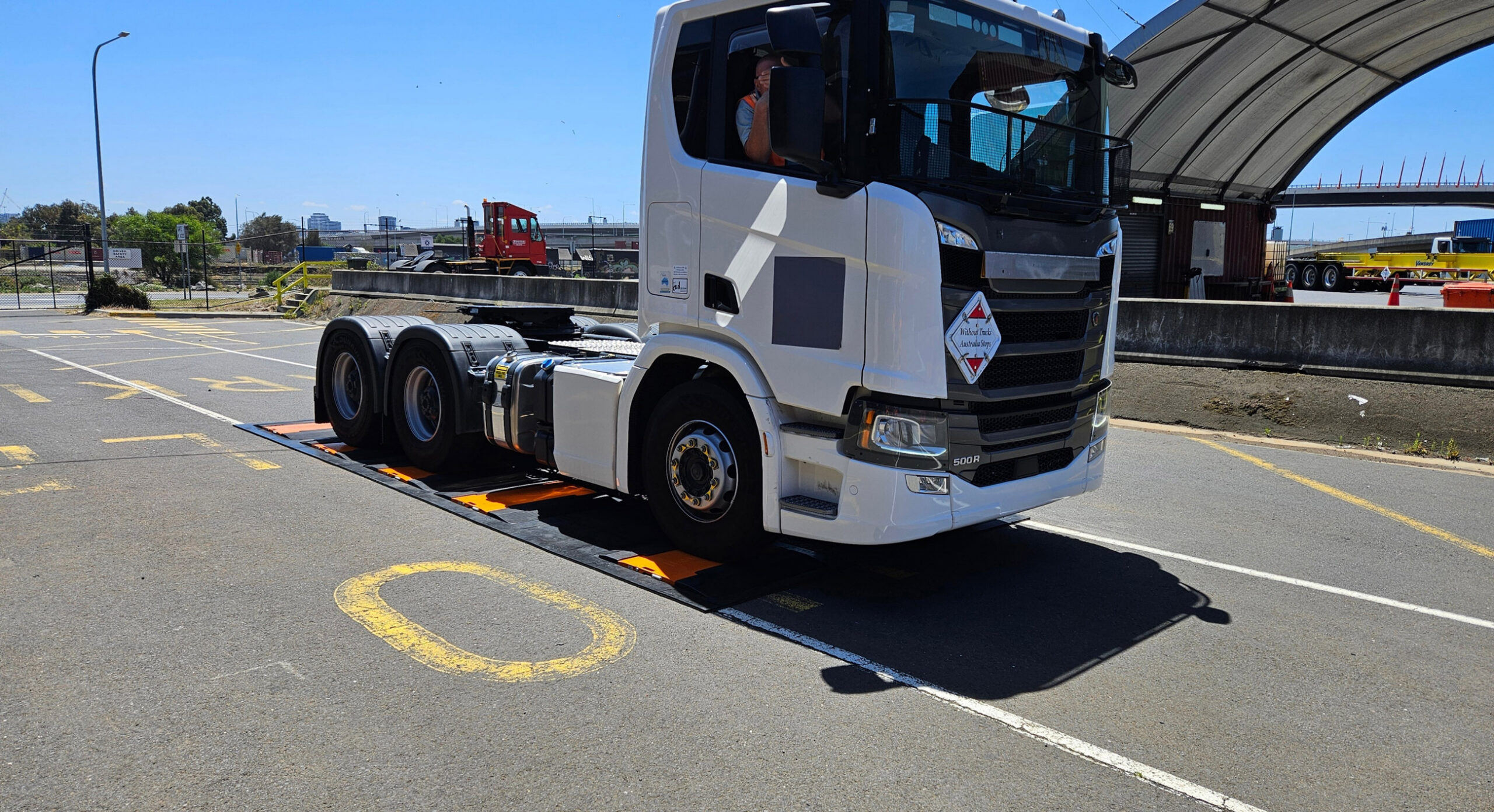
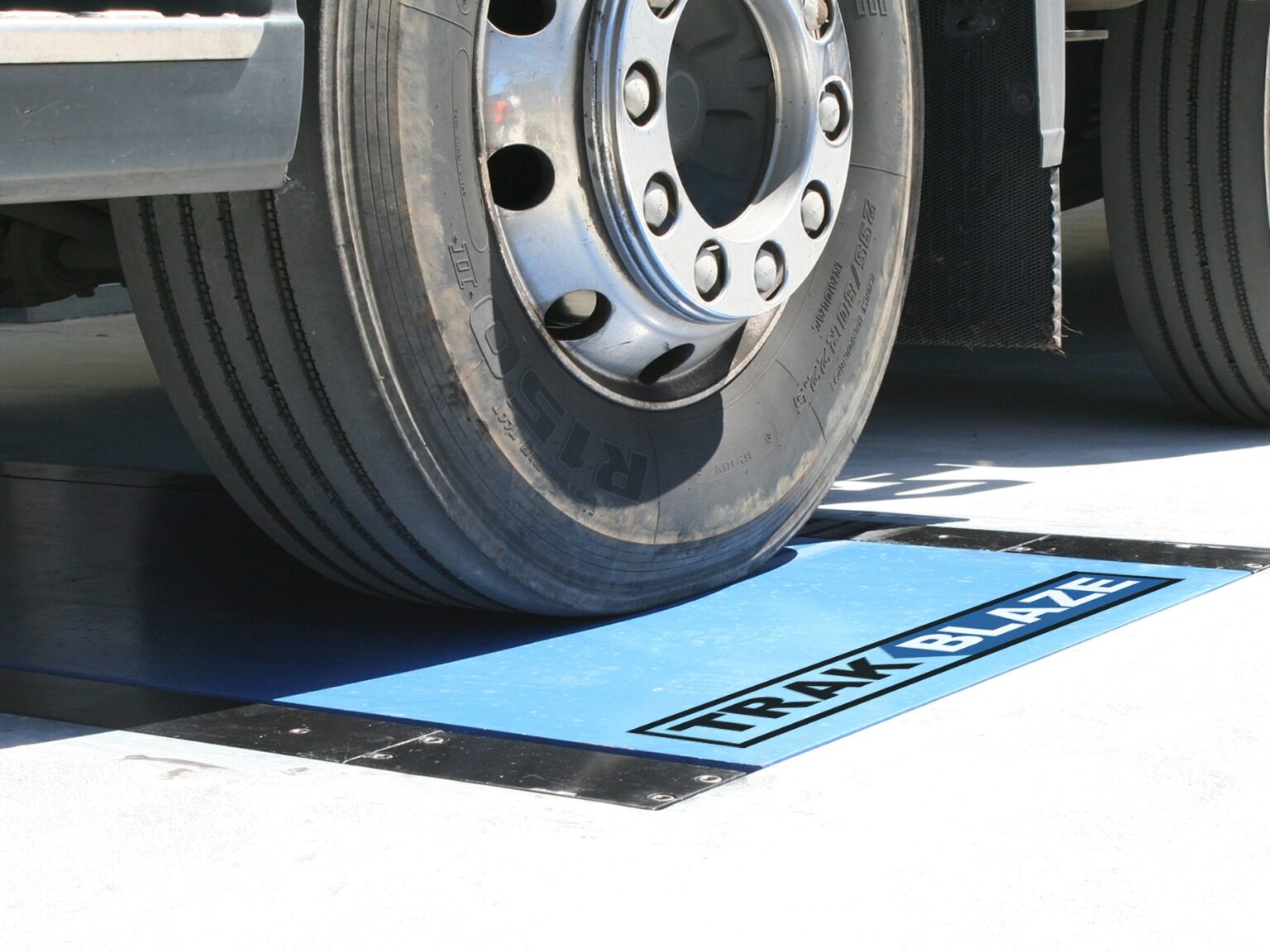
Each axle or axle group has its own legal mass limit that is separate from the vehicle’s total weight limit. This means a vehicle can be under its GVM yet still be non-compliant if one axle exceeds its allowed load. For this reason, monitoring axle load alongside GVM is vital for accurate weighing and effective load management. Weighing solutions like FORCE™1 enable accurate measurement of individual axle loads in both static and dynamic conditions. At the same time, they provide visibility into the total vehicle weight.
Gross Vehicle Mass (GVM) refers to the maximum total weight a vehicle is legally permitted to carry, including the vehicle itself, cargo, fuel and passengers. The manufacturer sets this limit, and road regulations govern compliance with it. GVM serves as the main guideline for the total weight a vehicle can handle. Truck scales and portable weighbridges, such as the FORCE 10 and TRUCKMATE series, measure total vehicle weight, allowing you to compare the actual mass against the vehicle’s GVM limit.
While GVM establishes the vehicle’s overall carrying capacity, it does not show how that weight is distributed across the axles. Axle load addresses this issue by ensuring proper weight distribution. This balance is crucial for staying compliant, protecting vehicle components and managing loads in fleet operations. Reliable road weighbridge solutions support this process by providing accurate weight measurements.
To better understand how axle load and GVM differ in practical use, let’s compare them side by side across key operational aspects.
| Comparison Aspect | Gross Vehicle Mass (GVM) | Axle Load |
| Scope of Measurement | Entire vehicle | Individual axle(s) or axle groups |
| What It Controls | Total carrying capacity | Weight distribution across axles |
| Set By | Vehicle manufacturer and regulations | Regulatory axle limits based on axle configuration and road standards |
| Operational Focus | Keeping total vehicle weight within limits | Ensuring balanced load distribution |
| Primary Risk if Ignored | Overloading the vehicle overall | Overloading a specific axle despite a compliant total weight |
| Role in Compliance Checks | Checked as total vehicle weight | Checked as individual axle or axle-group weights against limits |
What Are the Most Common Axle Load and GVM Management Mistakes?
Even when you understand axle load and GVM, small gaps in how you plan, position and monitor loads can still lead to costly errors in real-world operations. Here are some of the mistakes to avoid in axle load and GVM management practices:
- Treat GVM as the Only Loading Constraint: Many fleets depend only on total vehicle weight when planning loads. This creates a gap since axle limits are not considered when loading. As a result, a vehicle might appear compliant on paper but still exceed the axle weight limit.
- Lack of Clear Load Placement Guidelines: In some operations, load placement is left to individual discretion. Without clear guidelines, cargo may be positioned unevenly across the vehicle. This can lead to inconsistent axle loads over time and a higher risk of imbalance.
- Ignore Variations Across Vehicle Configurations: Different vehicles handle weight differently, but this is often overlooked. A loading method that works for one truck may not suit another. In such cases, weight distribution across the axles becomes uneven.
- Limited Use of Weight Data and Monitoring Tools: In many fleets, weight data is inconsistently tracked or poorly used. It can be difficult to identify recurring issues without clear visibility. This limits the ability to improve load management over time.
Read More: How to Monitor and Track Fleet Performance with Weighing Solutions
Why Axle Load vs Gross Vehicle Mass Matters in Fleet Operations
In real-world fleet operations, weight management is about understanding how total weight and distribution interact on every trip. Managing both together improves weighing accuracy and load decision control. Here is why axle load and GVM are important for fleet operations:
Prevent Hidden Compliance Breaches
A common issue in fleet operations is assuming that staying within the total vehicle weight is enough. In reality, the difference between axle weight and total weight creates a gap that is often ignored. A vehicle may be within its total weight limit, but it can still place excessive pressure on one axle due to improper load positioning.
This often leads to issues during inspections. Authorities do not rely solely on total vehicle weight; they also check axle or axle-group loads. If axle limits are exceeded, the vehicle is non-compliant, no matter its overall weight. To ensure consistent truck weight compliance, both the total mass and axle loads must be verified before the vehicle departs from the yard.
Reduce Uneven Wear and Maintenance Costs
Uneven loading may not cause immediate problems, but its effects accumulate over time. When one axle carries more weight than it should, it creates concentrated stress on tyres, suspension systems and braking components. This imbalance can affect safety and increase maintenance costs by causing uneven vehicle wear.
Over time, this leads to higher maintenance frequency and unexpected downtime. Parts need to be replaced sooner, and vehicles spend more time off the road. Focusing on proper vehicle weight helps distribute load forces more effectively. As a result, it helps extend component life and stabilises maintenance costs across the fleet.
Improve Vehicle Stability and Handling
How weight is distributed across a vehicle affects its behaviour on the road. Incorrect load positioning can shift the vehicle’s centre of gravity, which in turn affects stability during braking, cornering and travelling over uneven surfaces. This principle is just as important in industries like mining, where load balance directly impacts safety and performance.
In real-world conditions, these effects become even more apparent. A sudden stop or sharp turn can cause the load to shift further, raising the risk of instability. It is crucial to keep the load within legal limits and properly distributed to help maintain vehicle balance. This practice improves your control of the vehicle and lowers safety risks during transit.
Maximise Payload Without Risk
Many fleets often operate below their full capacity to avoid compliance issues. While this approach helps reduce risks, it can also limit overall efficiency. Lack of effective load distribution planning can lead to underutilised vehicles and higher operational costs.
A smarter strategy is to focus on how the load is arranged rather than reducing it unnecessarily. By considering both GVM and axle limits, you can make better use of legal vehicle capacity without compromising safety or compliance.
This approach not only maximises the utility of each trip but also maintains compliance and operational consistency. For example, shifting the load within the vehicle can improve axle balance. Better use of total capacity becomes possible while staying compliant. Choosing user-friendly weighing scales makes weight checks quick and simple, so you can adjust loads faster and keep operations efficient.
Enable Better Fleet-Level Decision Making
Focusing solely on total vehicle weight can also restrict visibility in fleet operations. Tracking both total weight and axle load provides a clearer view of how loads are distributed across different vehicles, routes and conditions, supporting better load management.
With more detailed data, patterns become easier to spot over time. Fleet managers can identify recurring issues, improve loading practices and gradually enhance processes. This leads to more consistent operations and improved control over weight distribution. Weighing solutions become a valuable decision-making tool rather than merely a compliance requirement.
Axle load and Gross Vehicle Mass (GVM) work together to define how total weight is carried and distributed across a vehicle’s axles. Focusing on total weight alone is not enough, as improper distribution can still lead to compliance issues and reduced vehicle stability. Accurate weighing relies on understanding the total weight carried and how that weight is distributed across each axle.
When both are managed together, load decisions become more controlled and consistent. It helps maintain compliance, protect vehicle components and better utilise available capacity. For fleet operations, this means fewer surprises and a more reliable approach to everyday load management.
For accurate weighing and better load control, talk to a specialised weighing equipment provider company that gives clear visibility into both axle load and GVM. Trakblaze delivers reliable weighing systems designed to support precise, consistent fleet operations. Reach out to us to learn how our solutions can support your fleet’s weighing and load management needs.
FAQs
How does fuel load affect axle weight distribution?
Fuel load affects axle weight distribution because fuel tanks are positioned at specific points on the vehicle. As fuel levels change, weight distribution can shift between axles depending on the tank location and vehicle configuration.
How often should axle weights be checked in daily operations?
Axle weights should be checked before each trip or immediately after loading. Regular daily checks are important, especially for heavy or variable loads, to ensure proper distribution, maintain compliance and avoid fines.
What happens if a vehicle complies with axle limits but exceeds GVM?
If a vehicle exceeds GVM, it is still non-compliant even if all axle limits are within range. GVM is the total legal weight limit, so exceeding it can lead to fines, penalties and safety risks regardless of axle load compliance.
How does accurate vehicle weighing support broader infrastructure protection?
Accurate vehicle weighing helps protect infrastructure by ensuring loads stay within legal limits for both total vehicle mass and axle or axle-group loads. Overloaded vehicles place excessive stress on roads and bridges, accelerating their deterioration. For a broader perspective, read how accurate weighing prevents infrastructure damage across transport modes.