

At a glance
- Ideally, static weighing should offer the accuracy of ±0.05%, while in-motion weighing should also deliver similar accuracy at up to 12 kph.
- Accuracy should be repeatable and verifiable under actual mine-site conditions, not judged solely by manufacturer specifications.
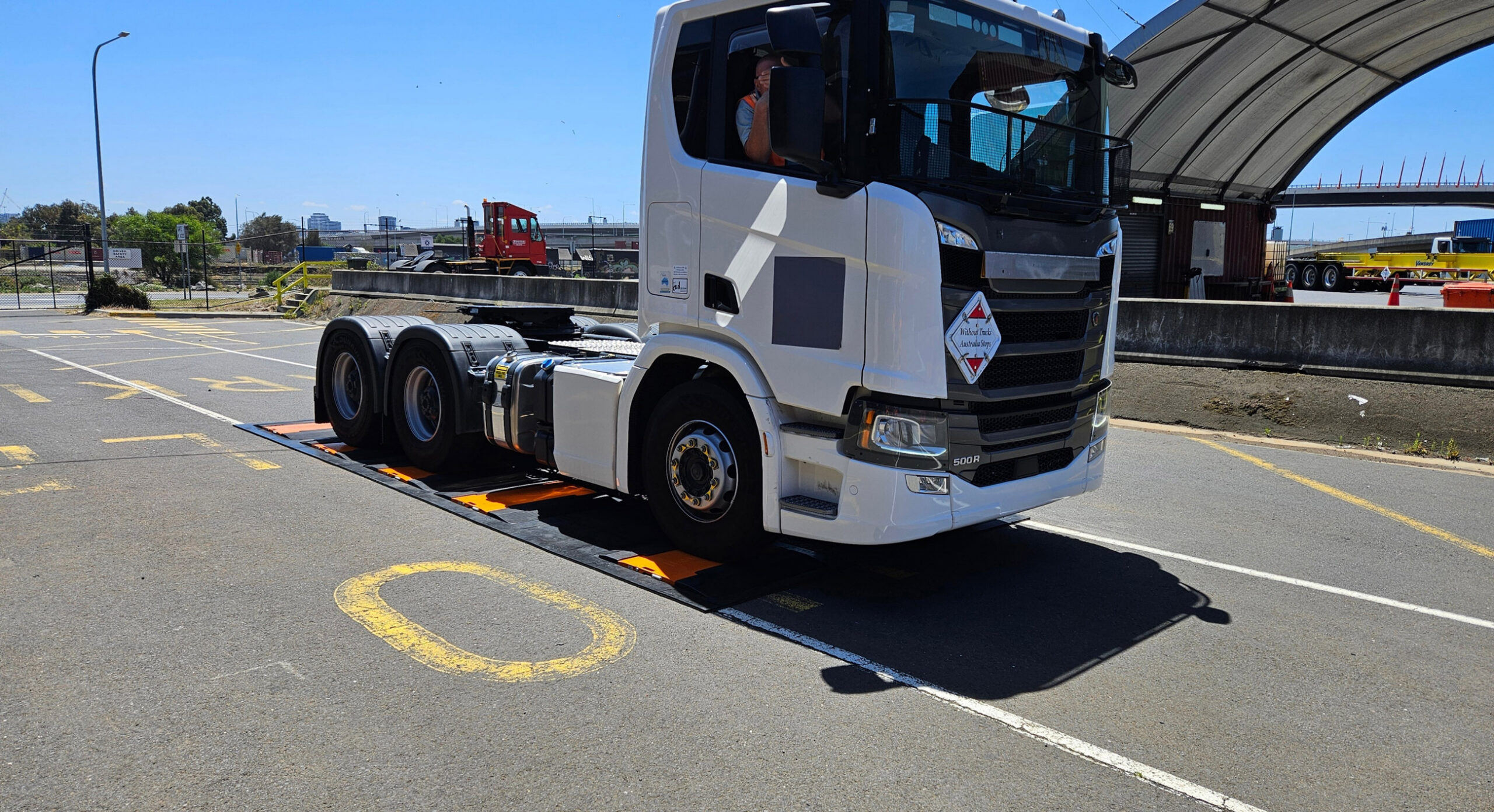
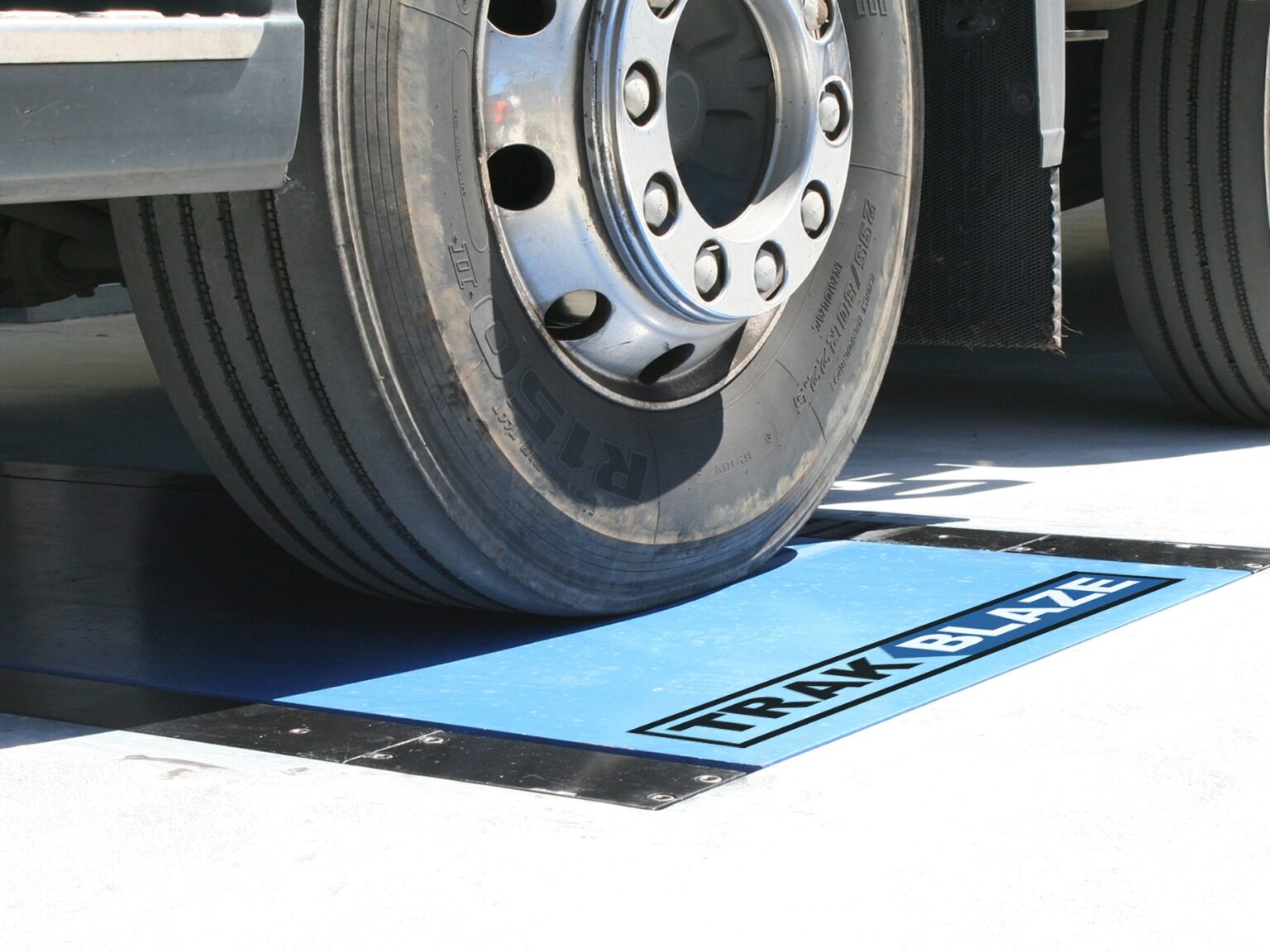
- TRAKBLAZE’s FORCE 2&4 measures individual wheel, axle and total truck weight simultaneously in both static and in-motion applications.
- Routine calibration every three to four months and annual servicing keep your truck scale delivering reliable weight data.
A 2% weighing error doesn’t sound significant until you calculate it on a 40-tonne haul truck. That’s 800 kg off target on a single trip. Scaled across an entire operation, those discrepancies impact productivity, costs, and operational efficiency.
Your truck scales affect more than just payload numbers, shaping production records and long-term equipment health. However, many operations overlook a critical detail: accuracy tolerance, the allowable difference between the scale reading and the truck’s actual weight.
The real question isn’t whether accuracy matters but what tolerance your mining operation should actually demand. The answer depends on real-world mine-site conditions, not just manufacturer specifications. This blog explores accuracy tolerance, how it is validated in real operating conditions and how mining truck scales ensure reliable weight data.
Why Accuracy Tolerance Matters in Mining Truck Weighing
Accuracy tolerance is simply the acceptable margin of error between what your scale displays and the truck’s actual weight. For example, the accuracy tolerance of ±2% while weighing a 30-tonne truck could display the weight anywhere between 29.4 and 30.6 tonnes. What’s worse is that this weight is considered accurate.
That range becomes critical in practice, because haul truck weighing takes place in harsh environments where dust, vibration, uneven ground and changing weather all affect measurement consistency. The tighter your tolerance, the more confidence you have in your weight data and the less room there is for costly load management errors.
Poor accuracy doesn’t just affect one part of your operation. It slows productivity, accelerates equipment wear, introduces safety risks and throws off production records. If tolerance is too loose, operators can easily miss uneven load distribution or fail to catch unsafe weight across individual wheels and axles.
This is why the accuracy you demand should hold up under real operating conditions, not just look good on a manufacturer’s spec sheet. Weight data is only useful when you can trust it, and that trust directly supports safe payload handling, accurate load management and effective day-to-day operational control.
How Much Accuracy Does a Mining Truck Scale Really Need?
There is no universal government-mandated accuracy tolerance for mining truck scales. Instead, the appropriate tolerance depends on how the scale will be used at your site.
Payload control for haulage operations requires tighter accuracy since every load decision takes place in real time. On the other hand, production reporting or maintenance planning can work with slightly broader margins, as that data informs trends rather than immediate action. Either way, knowing what your operation needs before evaluating a scale makes the whole selection process cleaner.
Static and in-motion weighing achieve accuracy differently, and understanding how each method works helps you set the right expectations for your site.
Approximately ±0.05% accuracy is the benchmark worth targeting for both methods. Static weighing makes hitting that mark relatively straightforward since the truck sits completely still on the scale with no movement interference to account for.
In-motion weighing is a different challenge altogether. Trucks roll over the scale at low speeds without breaking the haul cycle, and maintaining ±0.5% accuracy under those conditions requires a more sophisticated system that can filter out vibration, speed variation and surface inconsistencies in real time.
These benchmarks are worth understanding as practical reference points for your site. A site handling high-value ore with strict payload limits will likely prefer static weighing for tighter control and compliance. Sites focused on continuous haul cycles, on the other hand, benefit more from in-motion weighing to maintain throughput and reduce delays.
The key is recognising that your operation’s specific needs should drive the tolerance you demand.
- Is the accuracy based on static or in-motion weighing?
- Under what operating conditions is the accuracy achieved?
- Can the accuracy be verified after installation?
- Is the accuracy repeatable across multiple weighing cycles?
- Does the system provide wheel, axle and total vehicle weight data?
Read More: Factors To Consider When Selecting A Truck Scale For Mining Applications
How TRAKBLAZE Mining Truck Scales Ensure Reliable Weight Data
With more than 95 years of industry experience, TRAKBLAZE Pty Ltd designs, manufactures and supplies precision weighing systems used across mining operations worldwide. For mining haul truck operations, our FORCE 2&4 – Mining Truck Scale is designed to deliver the accuracy and weight visibility that modern mining sites demand. Here is what sets it apart:
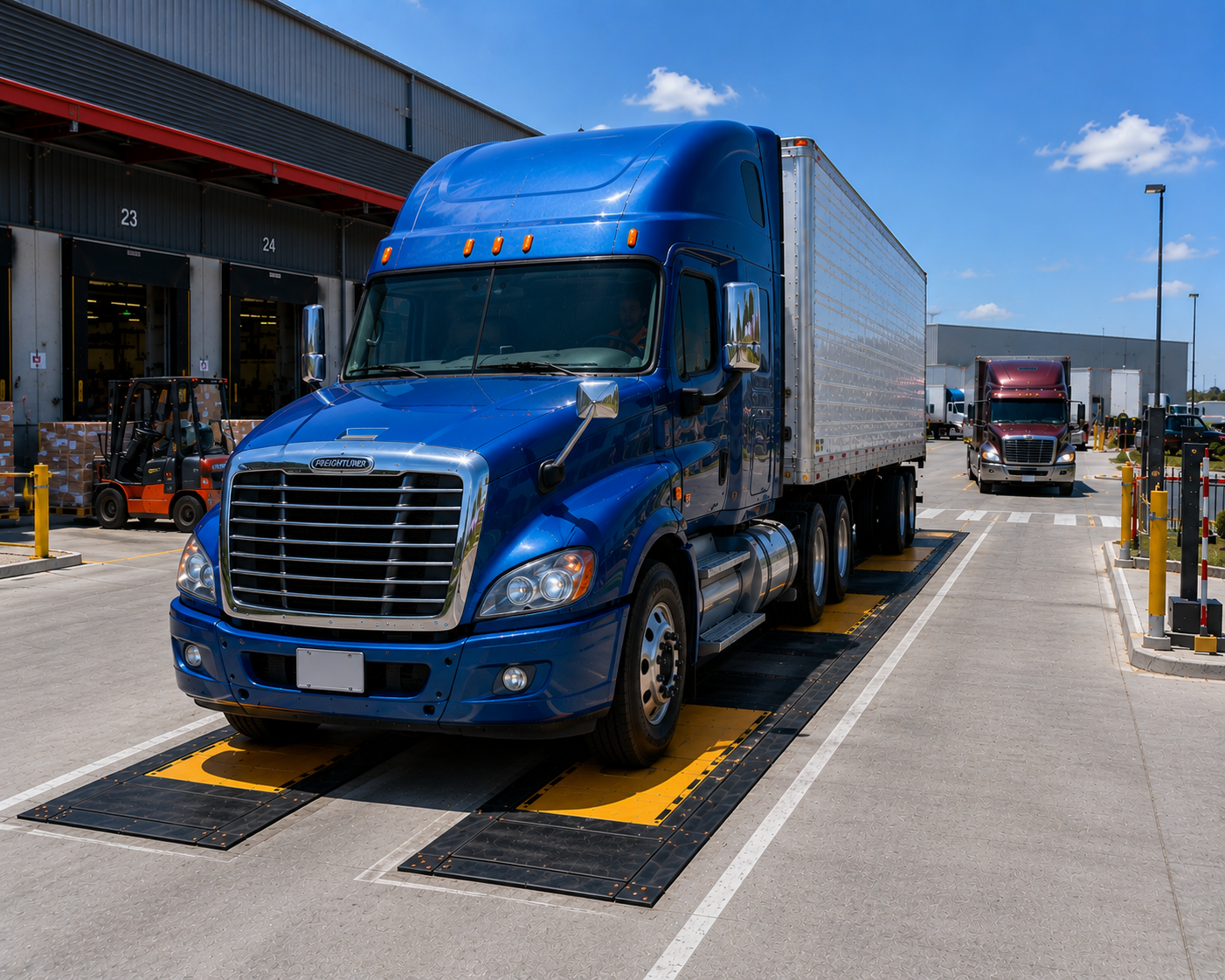
- High Accuracy in Both Static and In-Motion Applications: The FORCE 2&4 supports both static and dynamic weighing, achieving approximately ±0.05% accuracy when stationary and ±0.5% accuracy at speeds of up to 12 kph. You get precision where load verification matters and speed where continuous production flow does. The modular design suits different haul truck types and sizes, with fixed or portable configurations to match site requirements.
- Individual Wheel, Axle and Gross Vehicle Weight Measurement: Measuring individual wheel loads, axle group weights and total truck weight at the same time, this weighing solution reveals exactly where weight sits on each truck. Spotting uneven distribution at the point of weighing means operators can correct loads before trucks move out, reducing wear and risk downstream. The outcome is improved payload optimisation, less stress on equipment and better maintenance planning.
TRAKBLAZE also offers FORCE 3, FORCE 5 and FORCE 6 for specific portability requirements, along with TRUCKMATE for portable weighing solutions.
There is no single accuracy tolerance that suits every mining operation. The right tolerance depends on your application, weighing method and operational priorities. What matters is holding your scale provider accountable for accuracy that performs in the field, not just on a data sheet. Ask the right vendor questions and ensure the scale delivers the precision your operation needs.
Reliable weight data supports better payload management, reduced equipment stress and stronger operational efficiency. With that confidence, operators make informed decisions and maintenance teams can plan preventive work more effectively.
Ready to upgrade your mining truck weighing accuracy? Partner with TRAKBLAZE, a trusted mining truck weighing company specialising in solutions that deliver reliable weight data under demanding site conditions.
Contact our team today to discuss the right solution for your site.
FAQs
What are the signs that a mining truck scale may be producing unreliable weight data?
Key warning signs include inconsistent readings on the same truck across multiple cycles, weight data that doesn’t align with production records, and equipment failures despite scale readings appearing normal. Additional indicators include an inability to verify accuracy after installation and poor performance under actual mine-site conditions despite good lab results.
How often should a mining truck scale be serviced?
Routine calibration is typically recommended every 3 to 4 months, while full servicing of the truck weighing system by authorised technicians should be carried out at least once a year.
Can a mining truck scale be used on multiple truck models and sizes?
Yes, modern truck scales have modular weigh pad designs that can be configured according to truck types. FORCE 2&4 is a typical example. Its pads can be adjusted to suit varying wheelbase and axle spacing. This means a single scale system can accommodate multiple truck models on the same site.
Why are weighing accuracy and efficiency particularly important in challenging mining environments?
Accurate and efficient weighing is critical for safety, productivity and cost control in mining environments, where dust, vibration and uneven ground constantly challenge measurement consistency. Overloaded trucks on rough terrain risk equipment damage and rollover, making reliable weight data essential for preventing downtime, maintaining payload compliance and extending truck lifespan.