

At a glance:
- A mobile volumetric scanner provides you with a practical way to measure truck and train load volumes without relying on slow manual checks.
- Non-contact laser scanning captures the load’s shape and profile as the vehicle moves slowly beneath the scan head.
- The portable mobile volumetric scanner (MVS) setup is useful for sites where fixed scanning infrastructure is not practical, including remote or temporary operations.
- Near real-time volume data helps teams verify loading activity, improve reporting and make faster operational decisions.
Bulk material operations depend on accurate volume data. It helps you track production, verify loads and understand how material is moving across a site. When that information is delayed or based on estimates, decision-making becomes more difficult.
The challenge is even greater on remote sites or projects that span multiple locations. Fixed measurement systems are not always practical, while manual methods can be slow and inconsistent. As operations grow, these limitations become a bigger problem.
A mobile volumetric scanner (MVS) offers a more flexible way to capture load volume data. It can be relocated where needed and provides fast, accurate measurements for trucks, trains and wagons.
Here’s a closer look at how the technology works, where it’s used and the benefits it delivers.
What is a Mobile Volumetric Scanner?
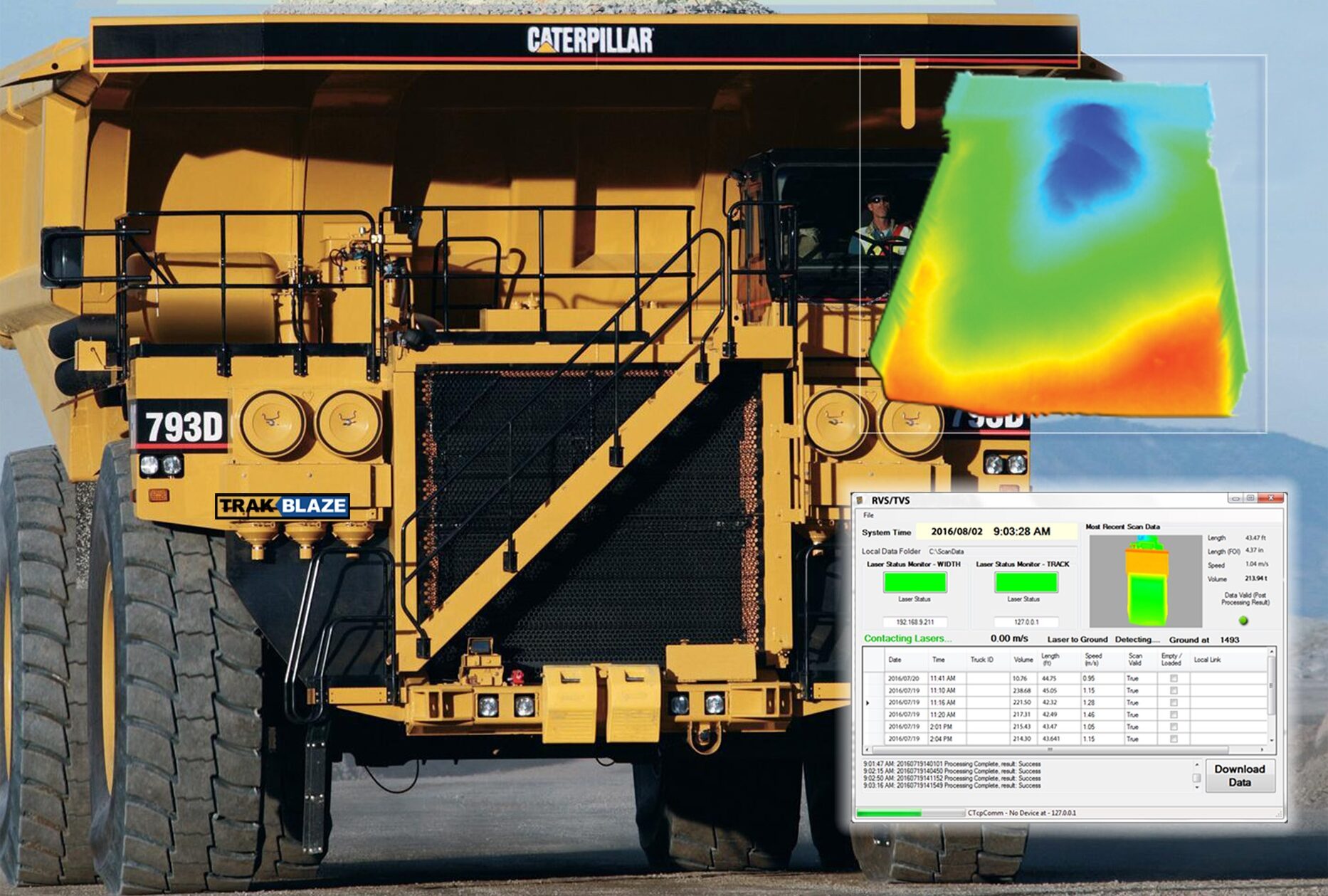
A mobile volumetric scanner is a portable scanning system designed to measure the volume of bulk materials loaded into trucks, trains and wagons. As a vehicle passes slowly beneath the scan head, the system captures the load’s shape and profile using laser technology. The integrated software then processes the raw scan data and calculates load volume, producing results ready for reporting and operational use.
With this approach, volumetric scanning technology can deliver new levels of accuracy and operational insight across bulk material operations.
It is worth understanding how an MVS differs from a weighbridge. A weighbridge measures vehicle weight, while a volumetric load scanner measures the physical volume and profile of the load itself. The two systems capture different types of data and serve distinct operational purposes. For sites that need load volume measurement rather than weight measurement, a mobile volumetric scanner is the more appropriate tool.
How Does a Mobile Volumetric Scanner (MVS) Work?
Here’s how the MVS works, from the moment a vehicle arrives to the moment you get your results:
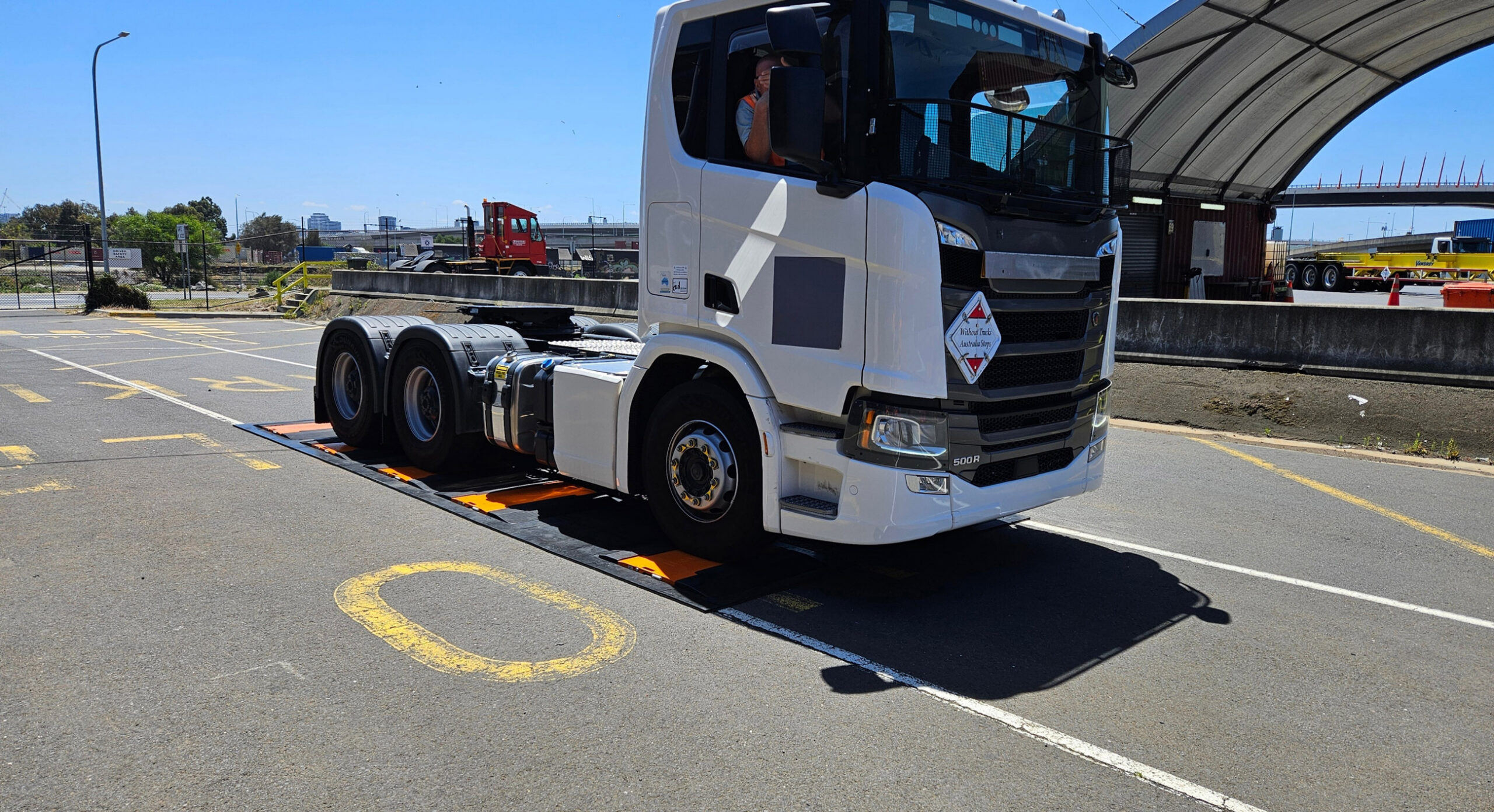
- Vehicle Passes Beneath the Scan Head: The truck or train moves slowly beneath the scan head at speeds of up to 10kph. No stopping, manual contact or separate measurement step is required during this process.
- Lidar Lasers Capture Raw Load Data: As the vehicle passes through, a TCP interface connects to two Lidar lasers that gather raw scan data across the full load profile. The system captures the shape and volume of the material in three dimensions.
- Software Calculates Load Volume: The TRAKBLAZE volumetric scanning software processes the raw data using responsive multi-threaded technology. Production-critical parameters are calculated in less than 10 seconds. Through software integration capabilities, volume data can be incorporated into existing site management and reporting processes.
- Results Are Delivered in Near Real Time: Processed outputs are delivered to the industrial data network via a MODBUS TCP interface. This gives teams fast access to load volume results without waiting on manual reporting or batch processing.
- Data Is Stored and Available for Review: All scan information is visible immediately on the touchscreen PC and is stored in the controller memory. You can access and review past scan records as needed.
Key Features and Operational Benefits of the Mobile Volumetric Scanner
The MVS combines portability, structural stability and automated data processing, making it a practical volumetric load scanner across a range of site types and vehicle configurations.
Here are some of the key features and operational benefits that contribute to its versatility and performance:
Portable Setup for Flexible Site Use
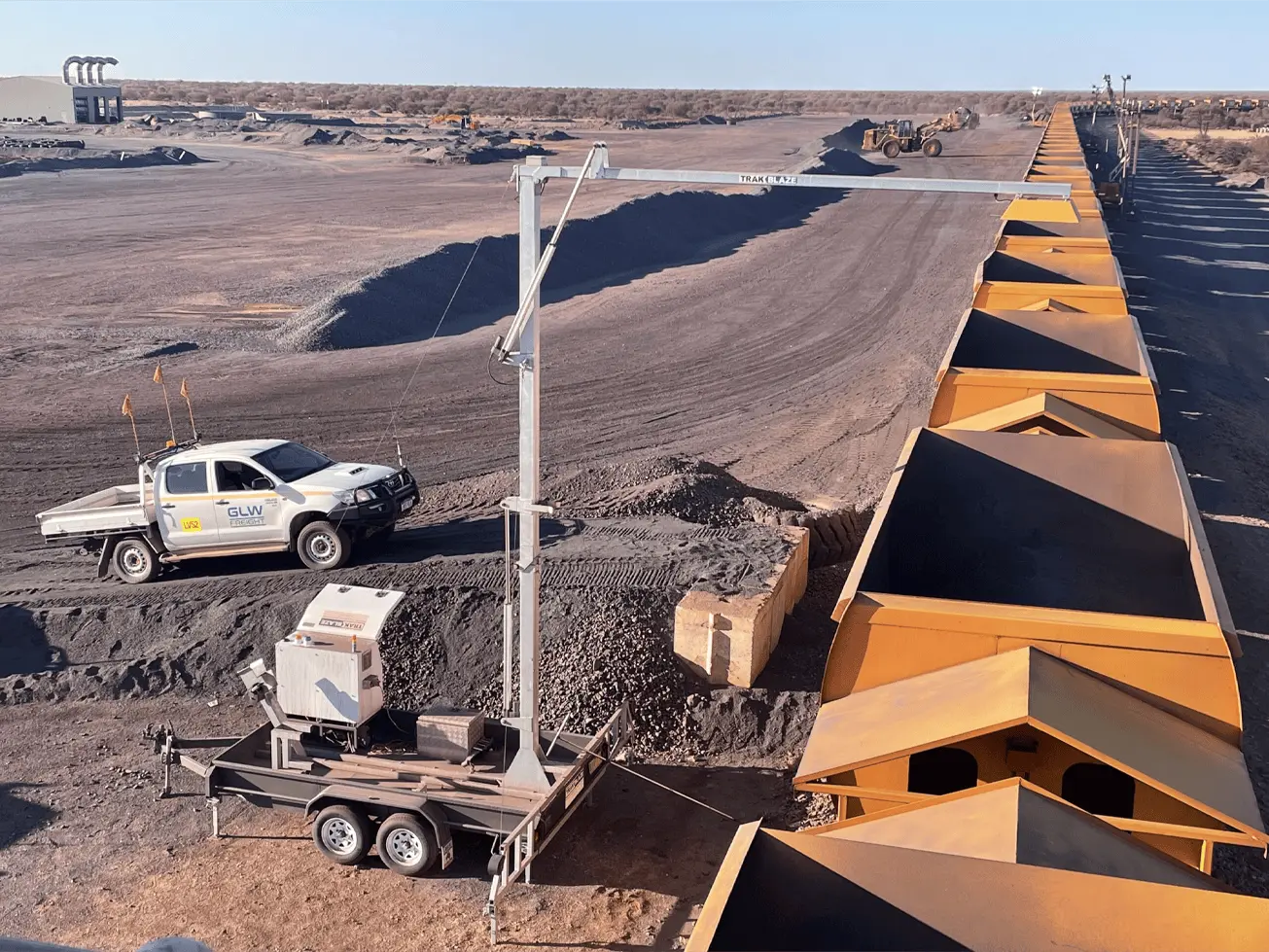
The MVS is a trailer-mounted mobile volumetric scanner designed to be relocated to any required measurement location. The two-part operations console includes intuitive electrical controls for safe, methodical assembly and a touchscreen PC running TRAKBLAZE volumetric scanning software.
Mobile volumetric scanners are designed for straightforward installation and can be relocated as operational requirements change. They also require low to zero maintenance, which saves time and, of course, money.
This is especially useful for operations where fixed scanning equipment is not a practical option. Remote mine sites, temporary load-out stations and projects spread across multiple locations may need volume measurements in different areas over time.
Stable Scanning Structure for Accurate Measurement
The MVS features a two-stage lifting boom to position the scan head at the correct height for the specific vehicle being measured. Outrigger legs, stability guy ropes and lock-out positions keep the scan head fully stable once the scanner is erected.
This structural setup directly supports consistent load volume measurement. When scanning different vehicle types, from mining trucks to rail wagons, scan head stability determines how reliably the load profile is captured. The MVS is designed to maintain that stability across varied vehicle configurations.
Non-Contact Scanning While Vehicles Move
Trucks or trains pass slowly beneath the scan head at speeds of up to 10kph. The load is scanned without manual contact, and no separate measurement step is required during the pass. Among the most significant advantages of mobile volumetric scanners are accuracy and efficiency, as they quickly and precisely record data while the vehicle is moving.
By automating the scanning process, mobile volumetric scanners help improve safety and reduce the need for manual work in potentially hazardous environments. As a result, it reduces the risk of accidents and injuries.
There is also less need to manually check load profiles, which reduces your exposure to moving vehicles, climbing tasks and other risks that come with traditional measurement methods.
Automated Data Processing and Near Real-Time Outputs
The MVS uses a TCP interface connected to two Lidar lasers to gather raw scan data. TRAKBLAZE’s responsive multi-threaded scanning software processes this data, calculating production-critical parameters in less than 10 seconds.
This means you get a clear picture of vehicle dimensions and load characteristics. With access to timely data, you can respond more quickly and make informed operational decisions. Specifically for load volume measurement, this output speed supports faster decisions around loading, dispatch and material movement.
Clear Reporting and Easier Operational Visibility
The MVS delivers structured data outputs, including volume per wagon, front freeboard, rear freeboard, side freeboard and a data validity flag. A laser status flag supports remote maintenance monitoring (reporting error, contamination or OK status) without requiring physical inspection. You get data storage, touchscreen operation and internet connectivity built in, so day-to-day use stays simple.
Scan information can be viewed immediately on the touchscreen PC and recorded in the controller memory for later review. These scanners often come equipped with features that ensure compliance with regulatory requirements and standards, helping you avoid fines and penalties associated with inaccurate measurements or non-compliance.
Better visibility into load volumes also helps you identify inconsistencies and maintain more accurate operational records.
Which Industries Benefit Most from a Mobile Volumetric Scanner?
The following use cases highlight the broad functional applications of a mobile volumetric scanner across a range of industries:
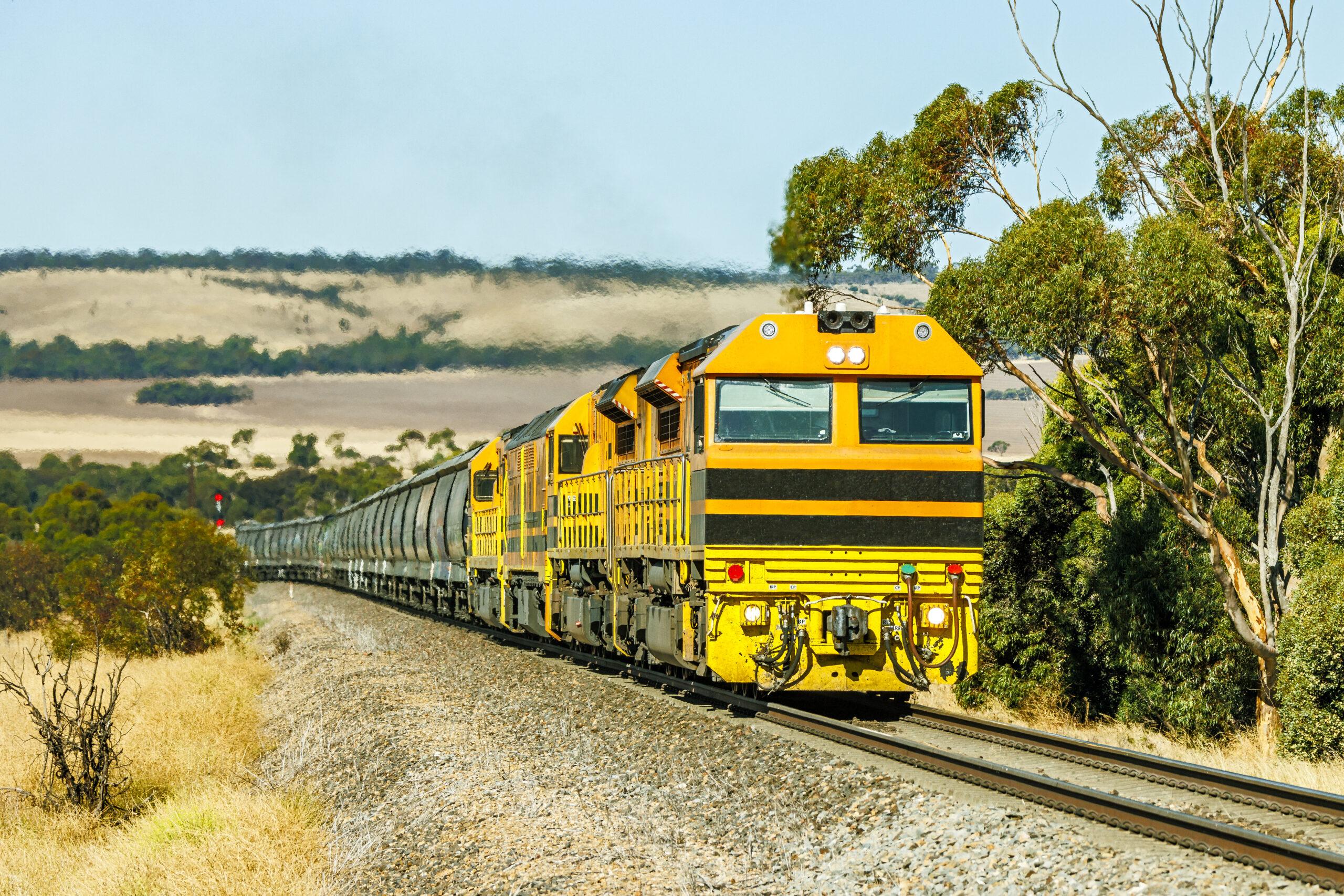
- Logistics and Transportation: Mobile volumetric scanners support load management, dimensioning and space planning in logistics and transportation, helping you make better use of cargo space and meet loading requirements.
- Warehousing and Distribution: In warehousing and distribution centres, these scanners facilitate inventory management, space optimisation and order fulfilment by accurately measuring and recording the dimensions of goods.
- Construction and Engineering: Accurate volume measurement plays an important role in construction and engineering projects. Mobile volumetric scanners help support site planning, material management, progress monitoring and resource planning.
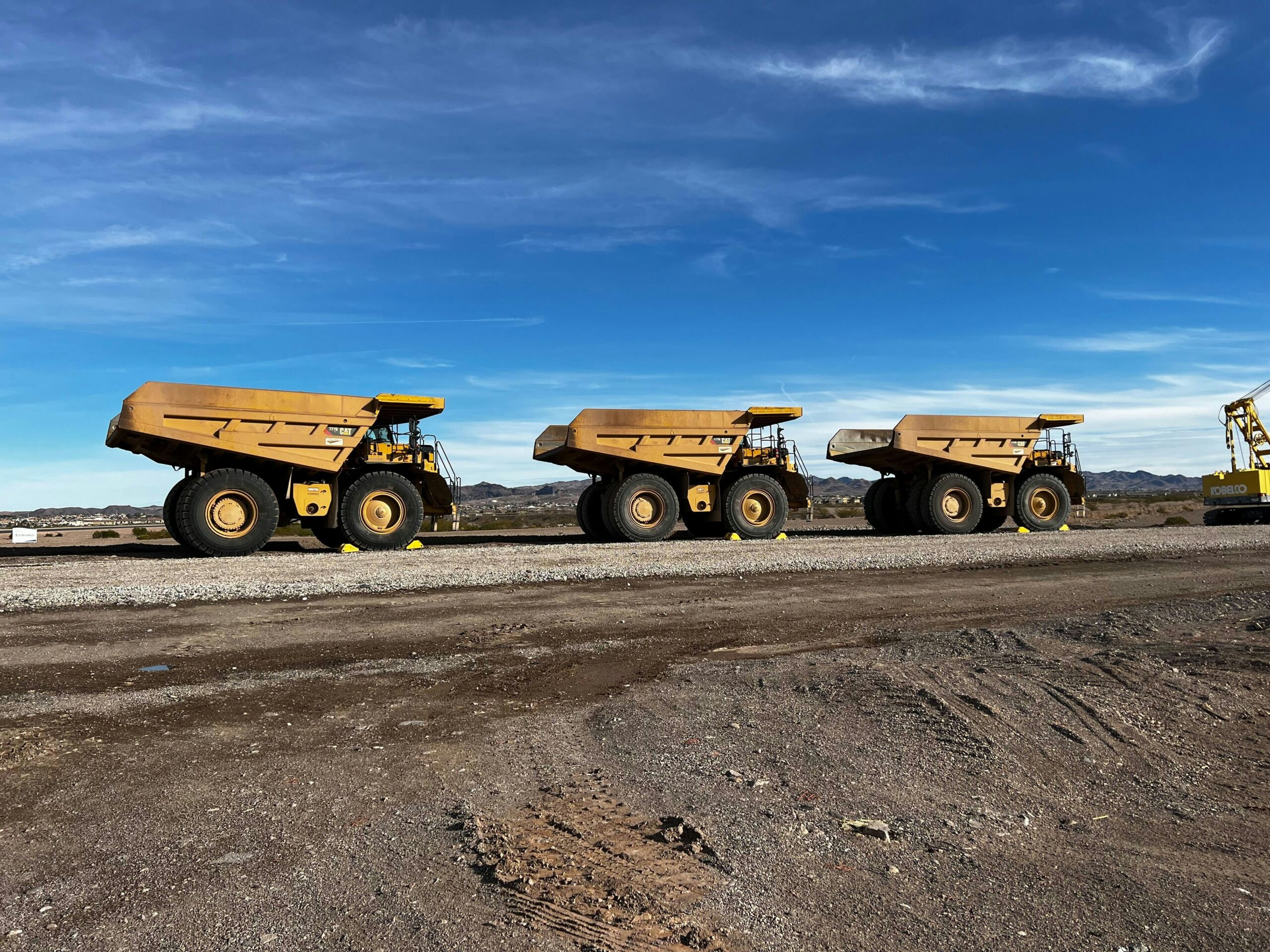
- Mining and Quarrying: These scanners are valuable in mining and quarrying operations for stockpile management, volume estimation and inventory tracking. Accurate volume data can also support loading practices and help identify situations that may lead to surpassing payload limits.
- Port and Terminal Operations: Mobile volumetric scanners are used in ports and terminals for container handling, cargo inspection and vessel loading, ensuring accurate measurement of container dimensions and compliance with shipping standards.
What Does a Load Volume Scanner Cost?
The cost of a load volume scanner varies depending on the site layout, vehicle types, measurement requirements and whether a fixed or mobile setup is needed. Fixed installations generally involve greater infrastructure investment, while mobile options suit operations that need flexibility across multiple locations.
Setup costs, including commissioning, configuration and operator training, also factor in, alongside ongoing support and maintenance. Because every operation is different, pricing is best determined based on operational requirements. Get a free quote for the TRAKBLAZE MVS based on your site, vehicles and reporting needs.
Accurate load volume data matters across bulk material operations, and the method you use to capture that data should suit your site’s setup and requirements. The MVS offers a relocatable, non-contact volumetric scanning solution that delivers near real-time outputs for trains and trucks without needing fixed infrastructure. Its structured reporting, fast data processing and stable scanning setup make it a practical load volume scanner for remote, temporary and multi-site operations alike.
If accurate load volume measurement is a priority for your operation, TRAKBLAZE can help you identify the most suitable volumetric scanning solution. Contact our team to discuss how the MVS can support your site and operational goals.
FAQs
Can volumetric scanners be used for different types of cargo?
Yes. Volumetric scanners can be used for many bulk materials, including sand, gravel, aggregates, ore, coal and other loose cargo. The scanner measures the load’s shape and volume, making it useful across transport, mining, quarrying and construction operations.
Is a mobile volumetric scanner suitable for temporary projects?
Absolutely. The MVS is designed to be relocated and set up where load volume measurement is needed. This makes it a practical solution for temporary sites, remote locations and changing haulage routes.
Can load volume scanning data be used for production reporting?
Yes. Load volume scanning data can support production reporting by showing how much material is being moved by trucks, trains or wagons. This helps operators track material movement, verify loading activity and maintain clearer operational records.
Is a volumetric scanner the same as a weighbridge?
No. A weighbridge measures the weight of a vehicle or load, while a volumetric scanner measures the load’s volume and profile. Both can support bulk material operations, but they provide different types of measurement data.