

At a glance
- In-motion rail weighing allows trains to be weighed without stopping, helping streamline the weighing process.
- Upgrading becomes more compelling as train volumes grow and weighing impacts throughput and scheduling.
- Real-time weight data improves visibility across rail operations, helping operators catch loading issues earlier and adjust schedules on the spot.
- Productivity gains, reduced bottlenecks and lower operating costs can help build a strong long-term return on investment.
If you run freight, mining or bulk material operations, rail weighing is a core part of how you manage load accuracy and operational efficiency. Getting that weight data right keeps your loads compliant and your operation running smoothly from loading through to dispatch. Static rail weighing has long served these needs well, particularly in controlled environments where stopping trains or wagons doesn’t affect productivity or scheduling.
The challenge shows up as your rail operations grow faster and more time-sensitive. Stopping your trains for each weighing cycle introduces delays, creates bottlenecks and drives up operational costs. In large-scale bulk movement systems, those costs add up fast and create real pressure on your schedule.
In-motion rail weighing solves this directly by capturing weight data as trains pass through, with no stop required at any point. This blog explains when upgrading from static to in-motion weighing makes sense and what it changes for your day-to-day operations.
Why Should Businesses Upgrade from Static to In-Motion Rail Weighing?
While static rail weighing remains effective in lower-volume operations such as maintenance yards and controlled loading points, it starts to fall short as your train throughput increases. Upgrading to in-motion rail weighing can deliver benefits that go well beyond accuracy alone. If you are still comparing options, our guide on static vs in-motion rail weighing covers both approaches in detail.
Let’s discuss the advantages of in-motion systems and when they make the most sense for rail operations.
Handling Higher Train Volumes Without Expanding Infrastructure
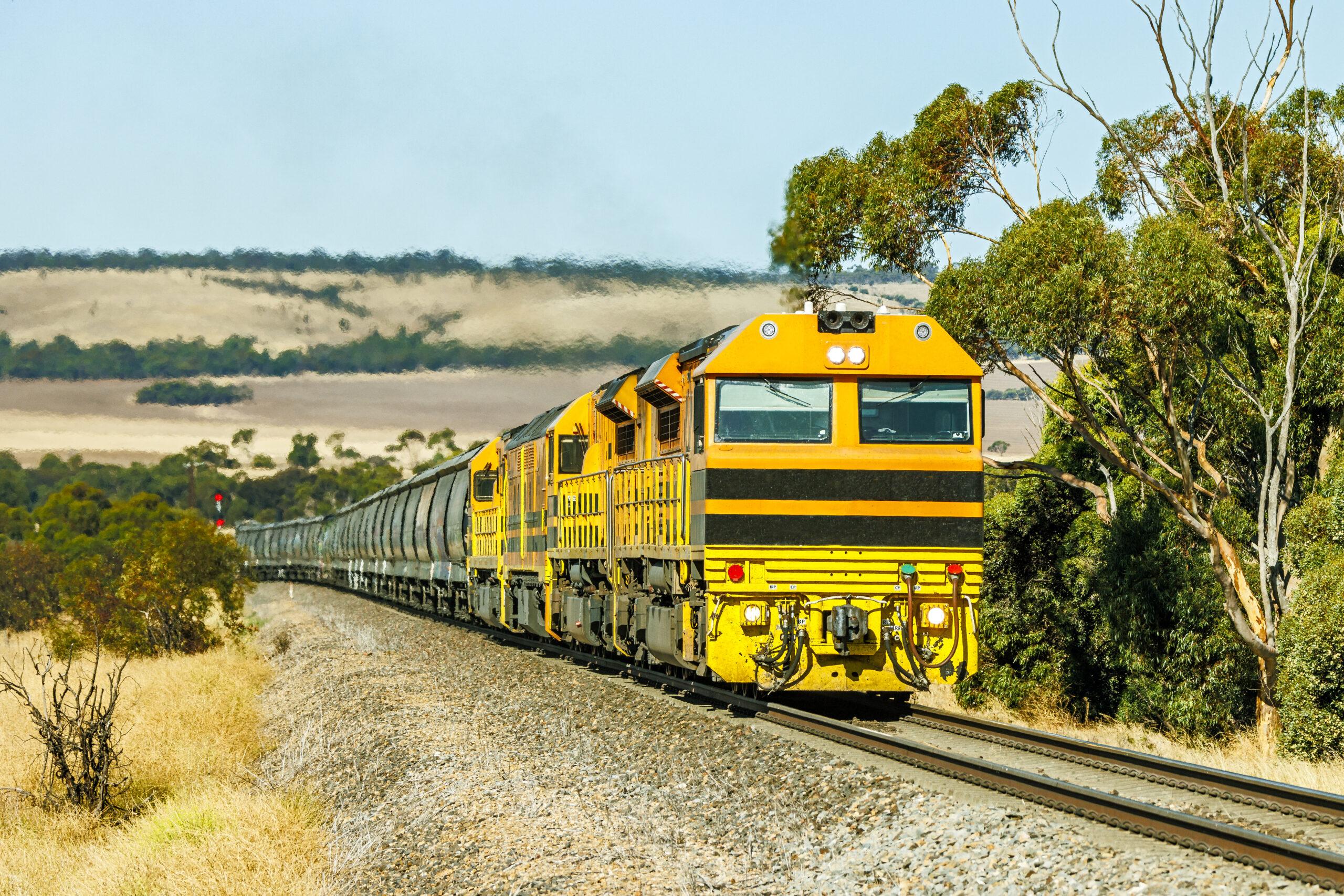
When your trains can be weighed while moving, you process more rail movements within the same operating window. There’s no stopping, holding or waiting for clearance before the next train enters the weighing zone. If your throughput is already stretched, you’ll notice the difference through improved shift productivity and scheduling efficiency.
If your bulk commodity facility or mining rail operation has been steadily increasing train movements, you’ll likely reach a point where static weighing starts to hold you back. Instead of adding new weighing locations or expanding rail infrastructure, you can simply upgrade to a weigh-in-motion system.
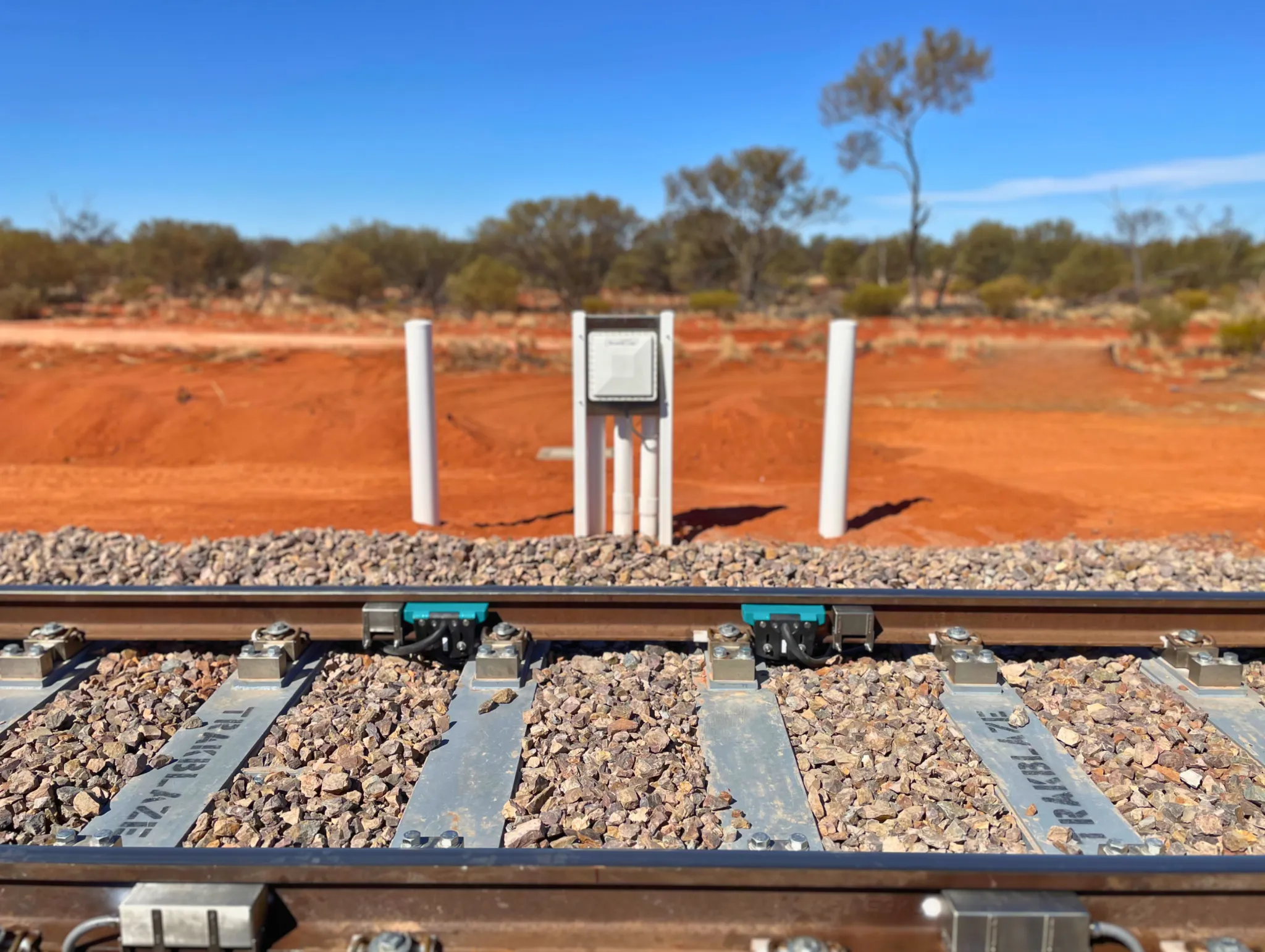
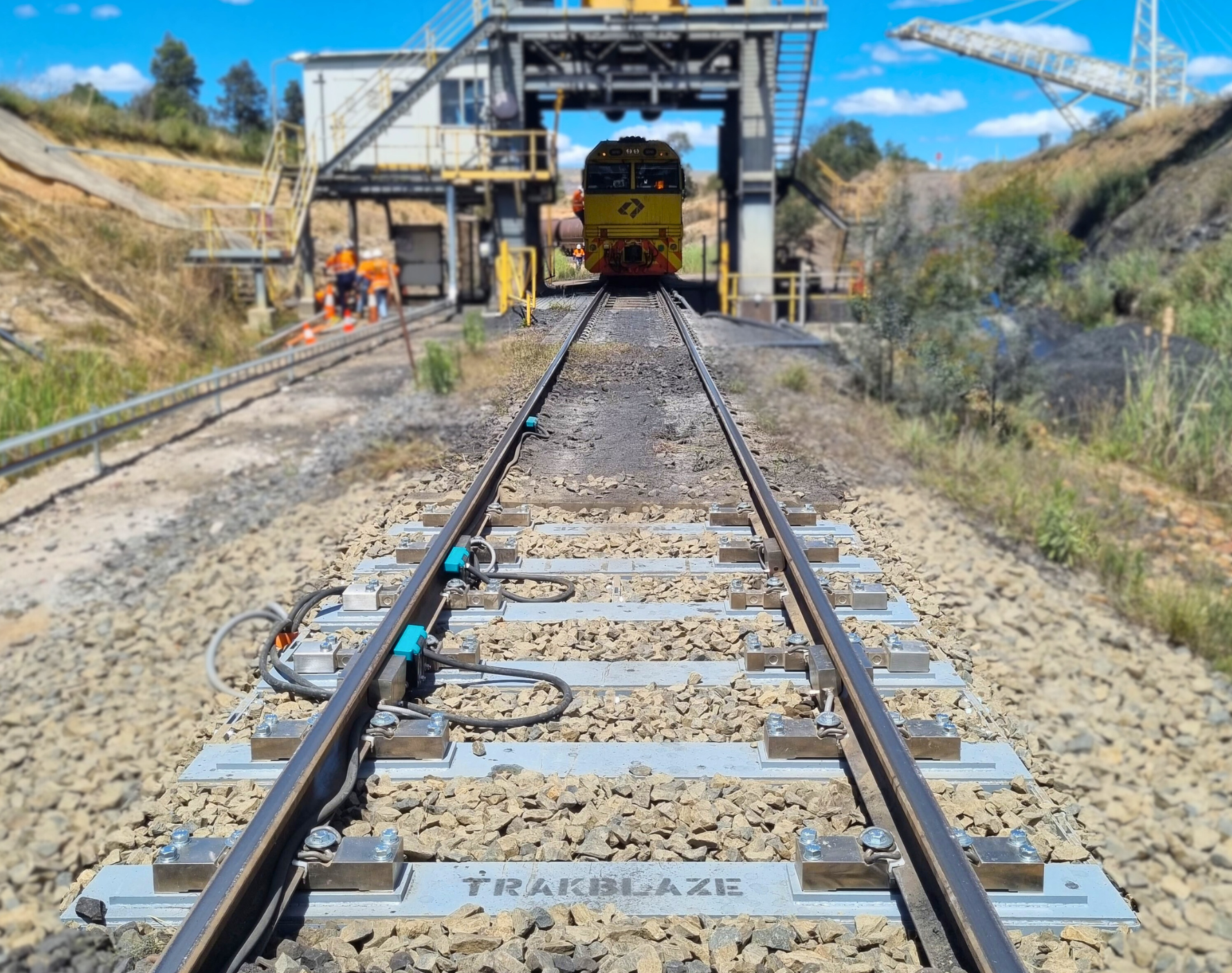
The Trakblaze INFINITY Low/High Speed Rail Weighbridge is built for exactly this situation. The INFINITY LS handles precision low-speed weighing at up to 15 km/h, while the INFINITY HS supports high-speed train weighing at up to 80 km/h. Both variants are installed without rail cutting, welding or grinding, so your track stays in service and live operations carry on uninterrupted during the transition.
Lower Operational and Labour Requirements
Instead of manually positioning trains or monitoring each stop, you get continuous data capture as trains move straight through the zone. Your team can focus on more valuable tasks instead of overseeing repeated weighing cycles.
Labour costs in rail operations also continue to rise, and if your site runs frequent weighing cycles, that work adds up fast. When your operation depends on stop-start train movements and hands-on coordination, you’re spending extra time on positioning, supervision and cycle handling. Investing in in-motion rail weighing cuts out these time-consuming steps, keeps trains moving continuously and brings your overall operational overheads down.
Faster Access to Weight Data for Operational Decisions
With static rail weighing, you only get data after each stop: the train halts, the wagon gets positioned, the measurement is taken and the result comes through. The process works, but it’s a step-by-step one. Weight information only arrives once each stop is complete, so you don’t get any continuous, movement-based data.
In-motion train weighing changes that dynamic. As trains move through the weighing zone, weight data is captured automatically. You can then access axle, wagon and gross train weights in near real time, without waiting for the full stop-and-measure process.
Whether you’re managing dispatch schedules at a loadout facility or adjusting loading targets mid-shift, continuous data flow helps you decide faster. It also enables earlier identification of loading issues before trains progress further through the network.
Read More: Axle Load vs Gross Vehicle Mass: What Fleet Managers Must Know.
Better Control of Safety and Compliance Risks
Overloaded wagons and uneven load distribution place strain on rolling stock, track infrastructure and axle components over time. In-motion rail weighing gives you weight visibility across the entire consist, so you can identify load irregularities at the weighing point rather than further down the line. Catching those issues early reduces the risk of progressive damage to your assets and keeps train movements safer across the network.
From a compliance perspective, rail operations transporting heavy bulk materials face ongoing pressure to keep loads within regulated limits. In-motion weighing supports that by providing consistent weight checks across every train movement rather than selected cycles. That level of coverage across your daily operations gives your site team greater confidence in how compliance risks are managed.
Reduced Bottlenecks Across Rail Operations
Busy rail facilities often feel the strain most when issues arise during peak periods. When weighing requires every train to stop, that bottleneck sits right at the weighing zone. The resulting delays ripple out across loadout facilities, terminals and dispatch areas as train queues start to build. Removing that delay from the process allows traffic to flow more freely, and scheduling improves without needing extra resources.
For facilities working to strict shift targets, weighing trains on the move can make a real difference. Trains pass through the weighing zone continuously, handover points clear more quickly and yard coordination becomes easier throughout the shift.
Key operational improvements include:
- Improved utilisation of existing rail and loading infrastructure
- Better alignment between loading output and dispatch planning
- Reduced idle time for locomotives and rolling stock
- More consistent adherence to planned shift targets and production schedules
Stronger Return on Investment Over Time
Investing in in-motion rail weighing is rarely just about the technology itself. Faster train processing reduces idle time, automated weight capture lowers labour requirements and fewer bottlenecks improve asset utilisation across the facility. Each of those gains contributes to the overall return, and when they are measured together rather than in isolation, the financial case becomes considerably more compelling.
If your rail operations have grown steadily over time, you’re often in the best position to see strong returns from upgrading. Higher train volumes mean more weighing cycles, more labour hours and more scheduling pressure on your team. A weigh-in-motion scale removes the stop-and-measure requirement entirely, and the productivity gains only get stronger as your operation scales.
Moving from static to in-motion rail weighing isn’t about replacing a system that doesn’t work. It’s about recognising when your operational demands have outgrown what that system can comfortably handle. Higher train volumes, tighter schedules and growing compliance requirements are all signs that it’s time for an upgrade.
If your rail operation is reaching that point, in-motion weighing offers a practical path to better throughput, stronger data visibility and more manageable operating costs.
The right time to upgrade will vary depending on the scale and frequency of your operation. If train movements are increasing and weighing is becoming a constraint, it is worth exploring what in-motion rail weighing can deliver.
Ready to explore what in-motion train weighing could mean for your operation? Partner with Trakblaze, an experienced rail weighing technology company with a proven range of systems built for mining, freight and bulk material environments.
Get in touch with our team to discuss the right solution for your site.
FAQs
What types of rail operations benefit most from in-motion rail weighing?
Mining rail operations, bulk commodity facilities and freight terminals benefit most. These environments typically run high train volumes and tight schedules, where stopping trains for weighing creates measurable delays and throughput losses.
What factors should businesses consider when selecting an in-motion rail weighing system?
Key factors include train speed requirements, site conditions, throughput volume and compliance needs. You’ll also want to assess whether low-speed or high-speed weighing capability suits your operation, along with installation requirements and track downtime tolerance. Also, working with a trusted rail weighing technology company ensures the right system is selected, properly installed and supported over the long term.
How much track modification is typically required to install an in-motion rail weighing system?
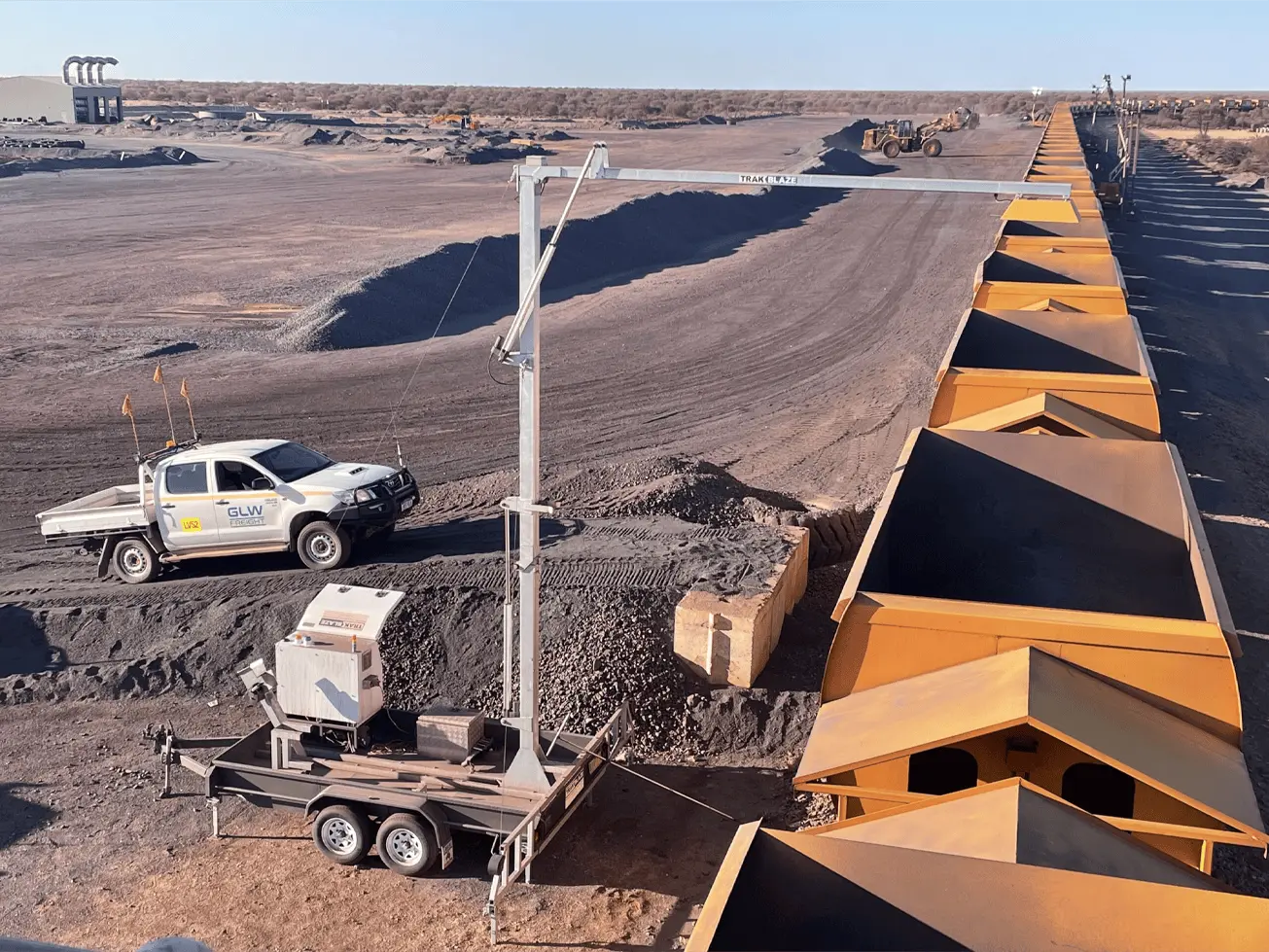
Track modification requirements vary by system, but many modern in-motion train weighing systems are designed to keep installation disruption to a minimum. The Trakblaze MTW Mobile Train Weigher, for example, requires no rail cutting, welding or civil works, and can be set up by two people in just 10 to 15 minutes, with no track downtime.
How do you select the right Trakblaze weighing solution for your industry?
The right weighing solution depends on your industry, operational environment and weighing requirements. Trakblaze offers weighing systems across mining, freight and bulk material operations, including fixed and portable options to suit different site conditions.