

At a glance
- Calibration of mining weighbridges is important to keep the weight and payload data reliable for compliance, safety and cost control.
- Start by using a weighbridge built for mining conditions, with durable components and stable structural support.
- Before calibration, record equipment history, inspect load cells and cables to check if the system responds consistently.
- Clear mud, dust and trapped debris in the equipment, then validate linearity and repeatability with controlled test loads.
- Common mistakes during calibration include overlooking contamination, uneven load placement and foundation movement, all of which can distort readings.
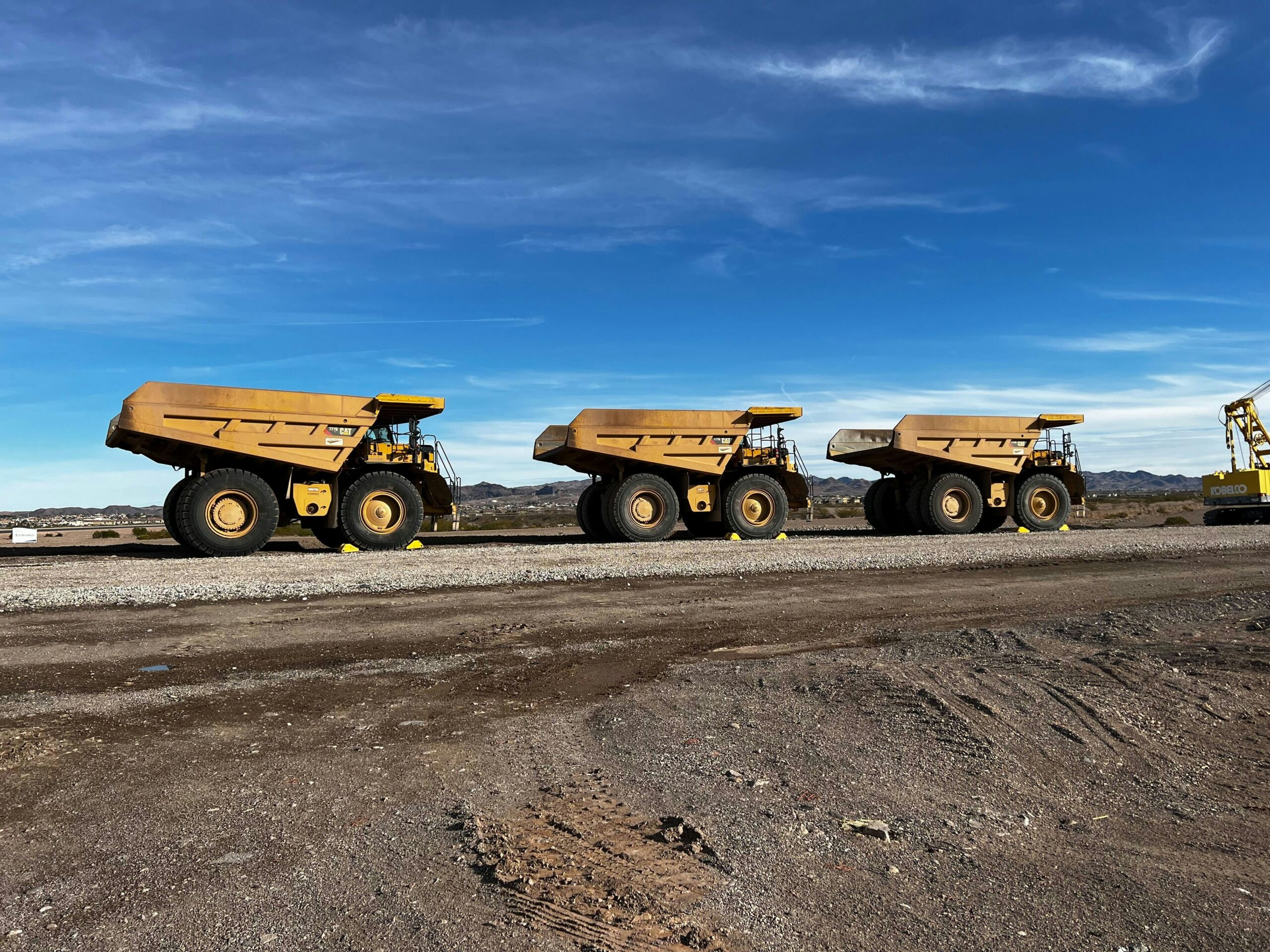
Ensuring accurate vehicle weights is crucial in mining to manage payloads, meet regulations and control costs: heavy loads, high traffic and environmental stress place high pressure on weighing systems, affecting their accuracy.
Timely calibration of weighbridges is essential to maintain accuracy in harsh mining conditions. Even minor calibration errors can lead to significant operational risks. Inaccurate readings can cause overloaded vehicles, regulatory problems and unnecessary wear on equipment. On the other hand, underloading results in lost revenue and reduced efficiency.
This blog explores tested practices for mining weighbridge calibration and explains how to maintain its accuracy, avoid common calibration mistakes and ensure its steady performance in challenging environments.
Why Does Weighbridge Calibration Matter in Mining Operations?
Every mining site must meet strict weight limit requirements to support compliance and safer operations. They depend on the weighing system to provide accurate data. However, the accuracy can drift over time due to vibration, dust build-up and ground movement, making timely calibration important.
Weighbridge accuracy plays a crucial role in fleet efficiency as well. A reliable mining weighing solution ensures precise axle load distribution and optimal payloads, improving trip efficiency.
There is also a direct financial impact. Inaccurate readings can result in lost billable tonnes, increased fuel consumption and accelerated wear on vehicles and equipment. Industrial weighbridge calibration provides dependable data, helping you make better decisions across reporting, planning and daily operations.
What Are the Best Practices for Accurate Mining Weighbridge Calibration?
When you manage each stage properly, calibration becomes more stable and easier to maintain over time. Below are the essential practices to ensure accurate mining weighbridge calibration:
Selecting a Weighbridge System Suited to Mining Conditions
In mining operations, equipment is exposed to heavy axle loads, high impact forces and constant traffic. Choosing a weighbridge built for these tough conditions helps ensure stability.
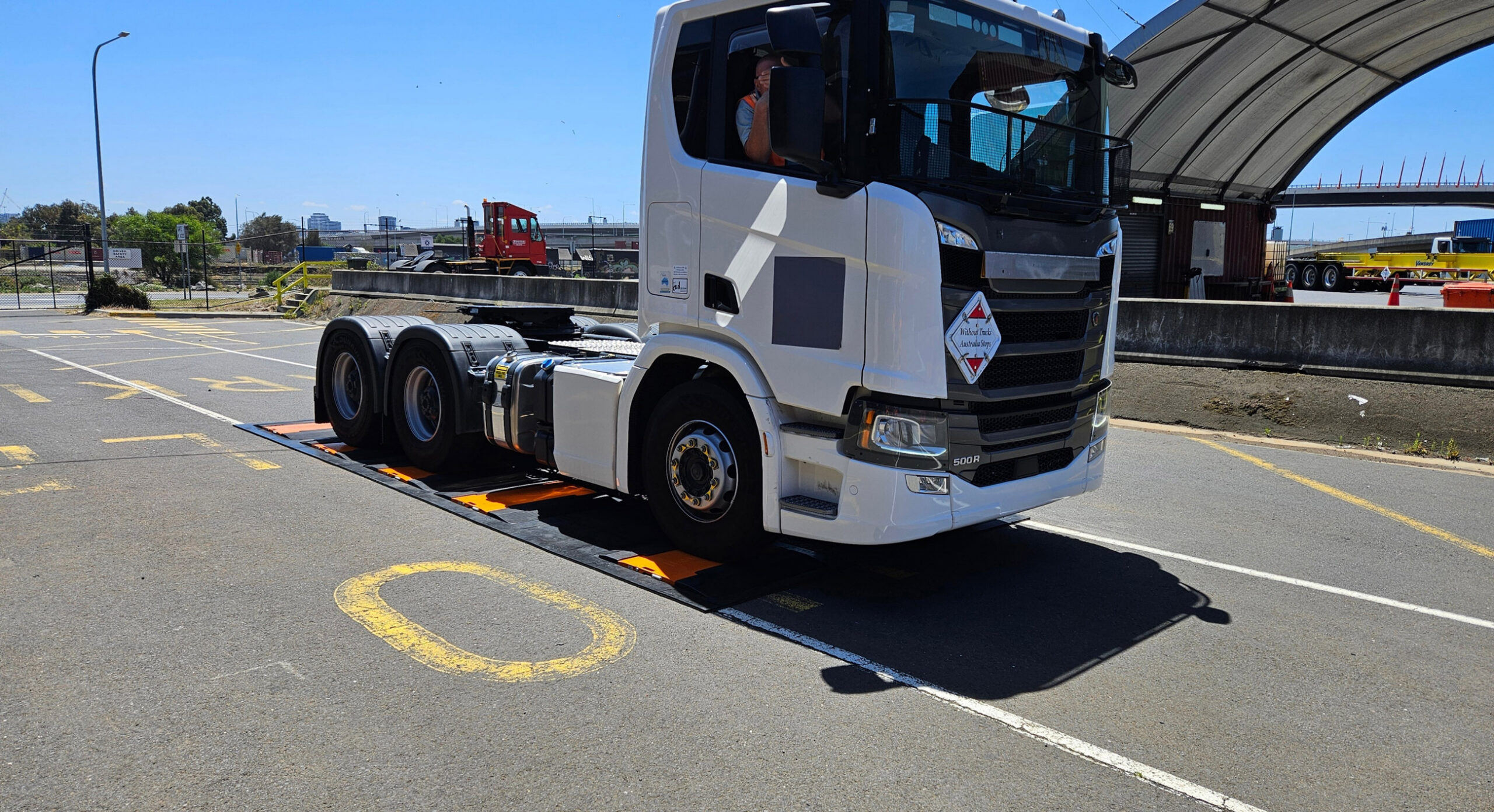
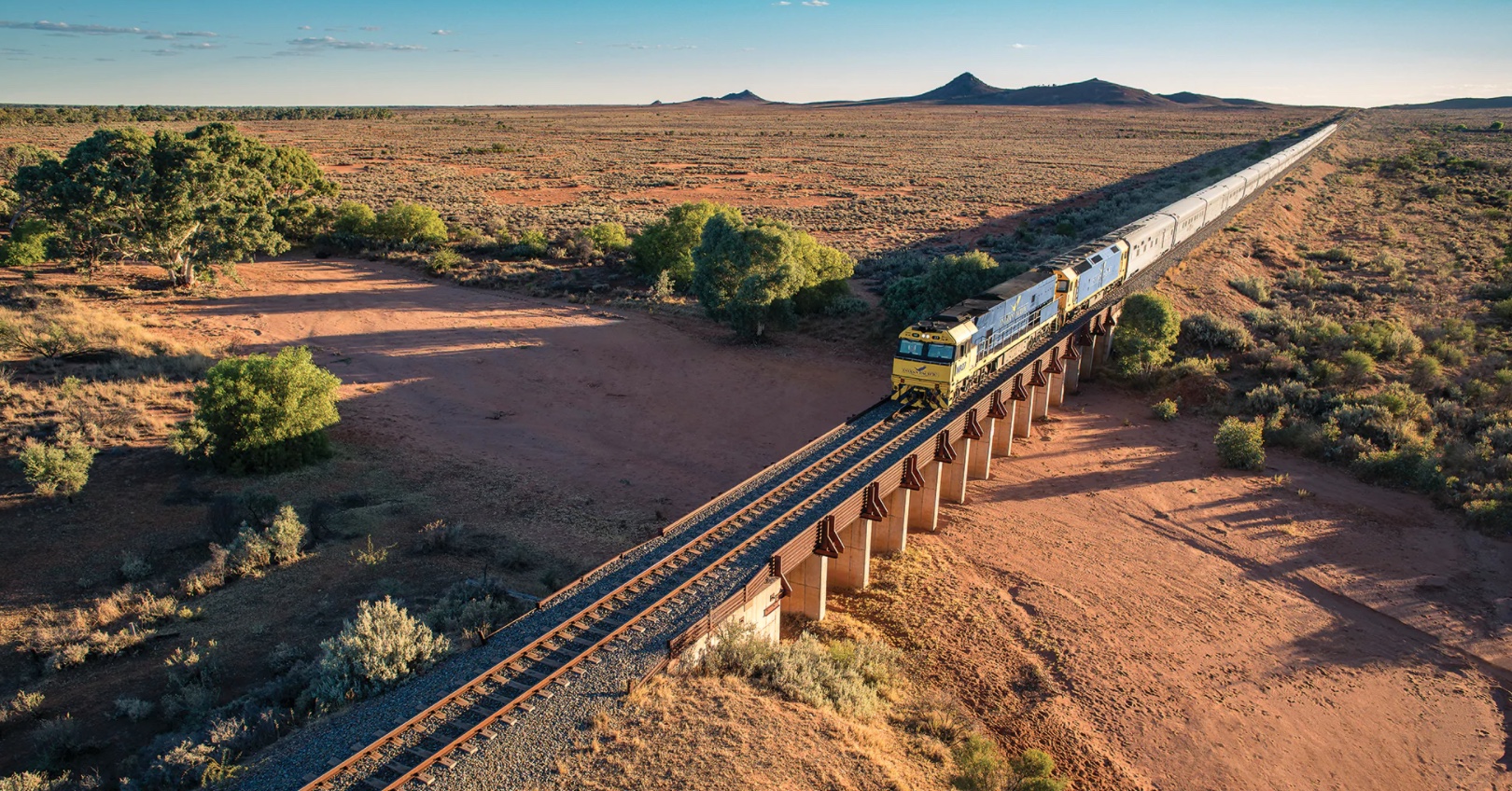
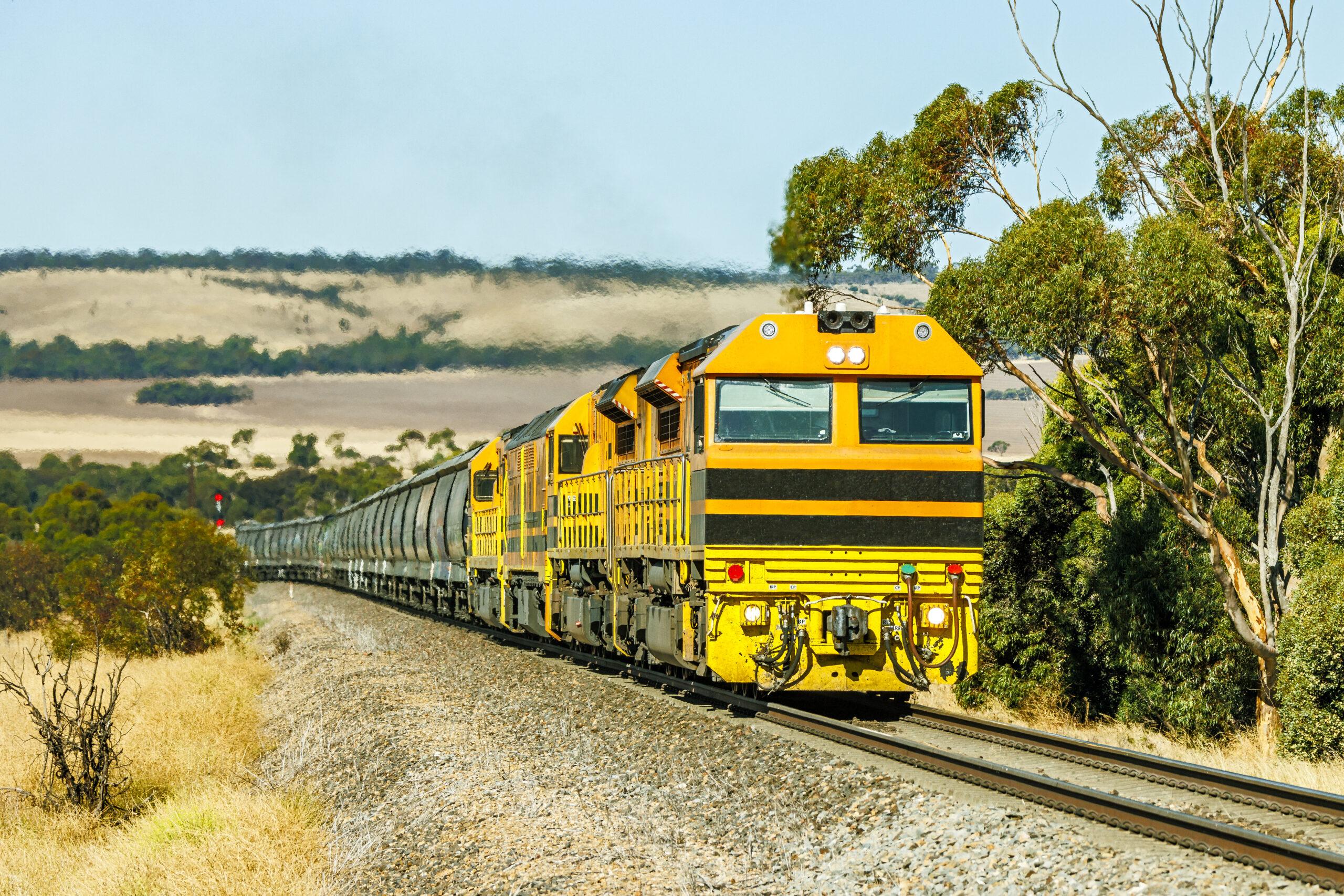
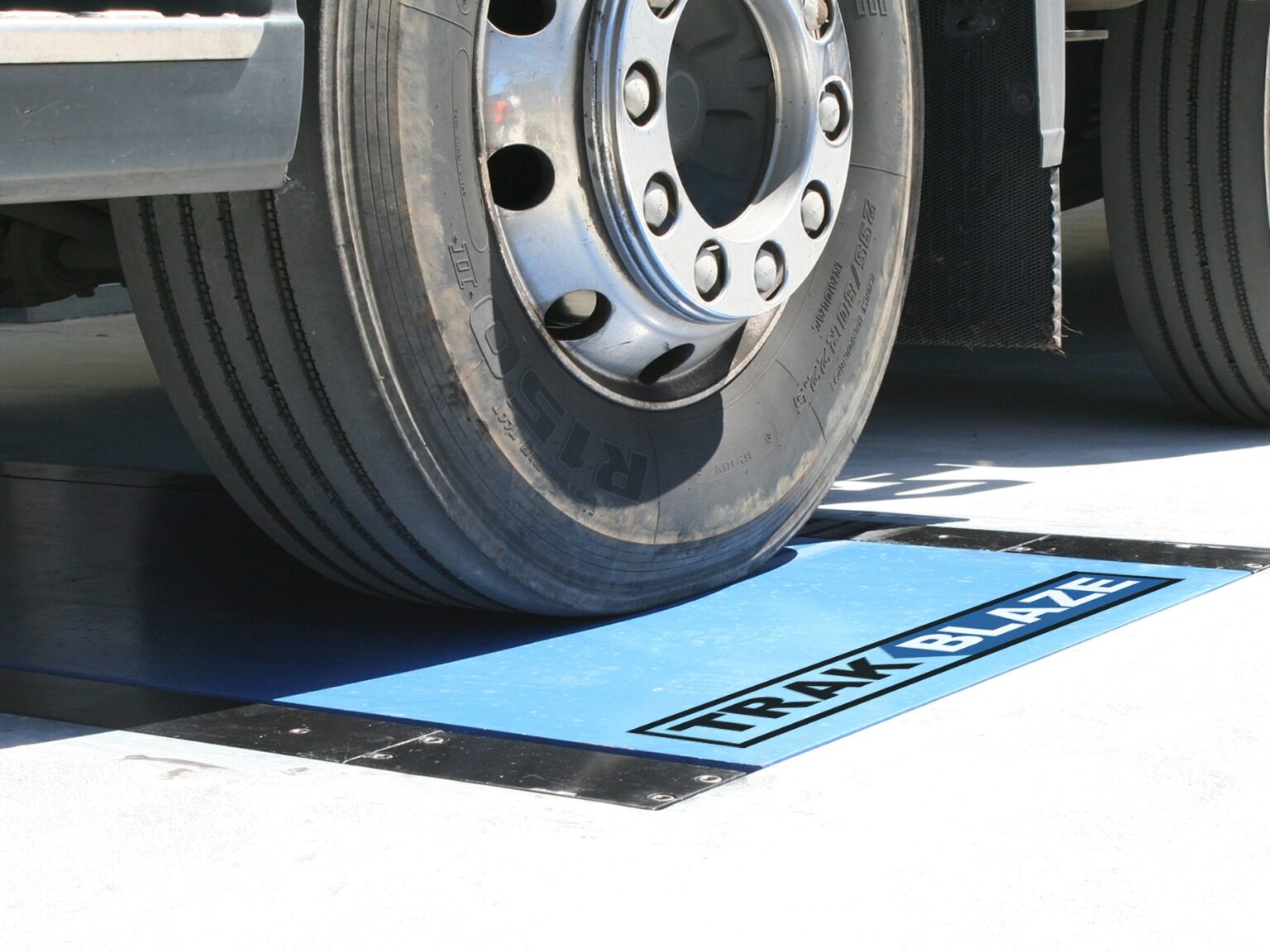
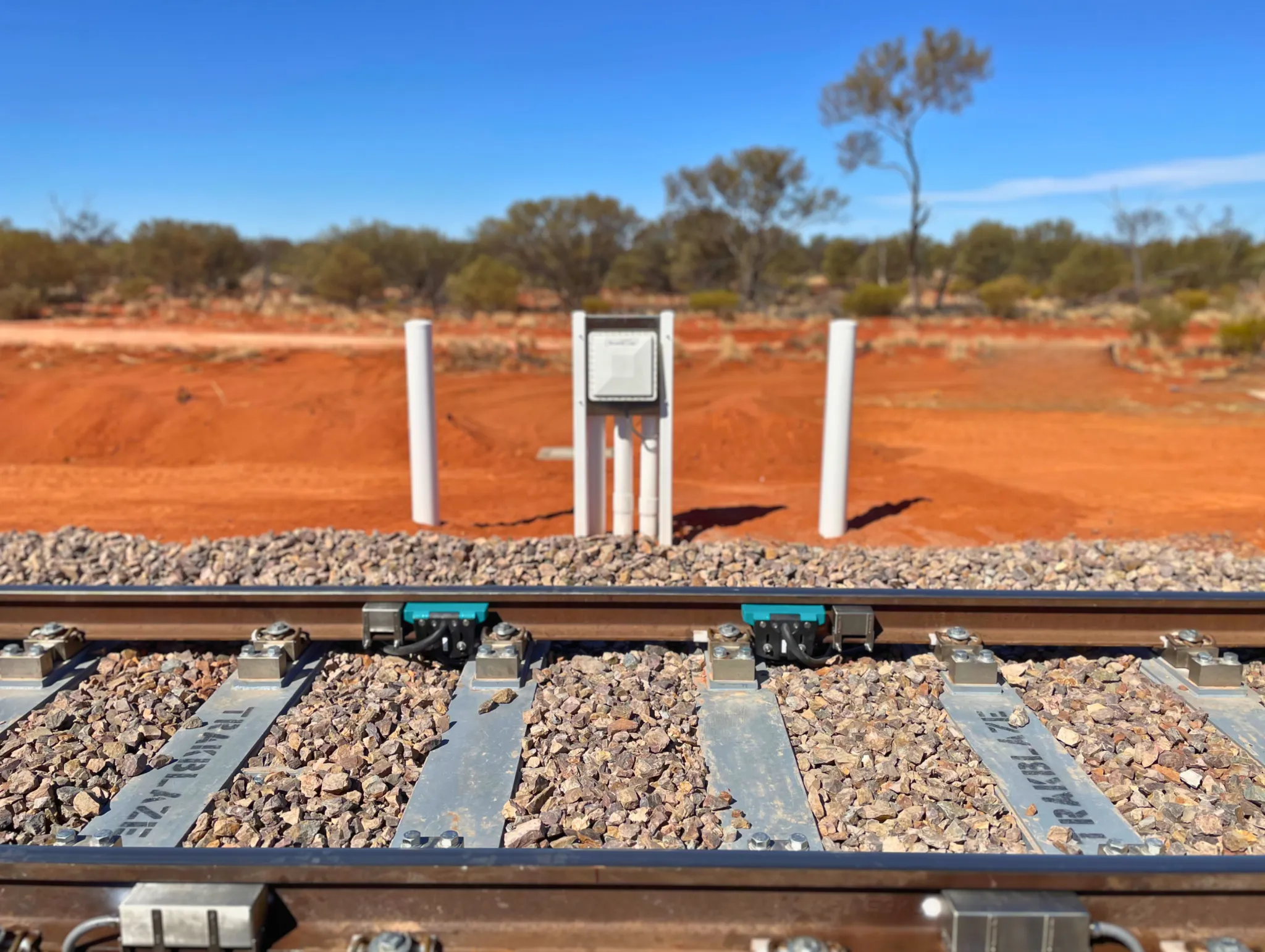
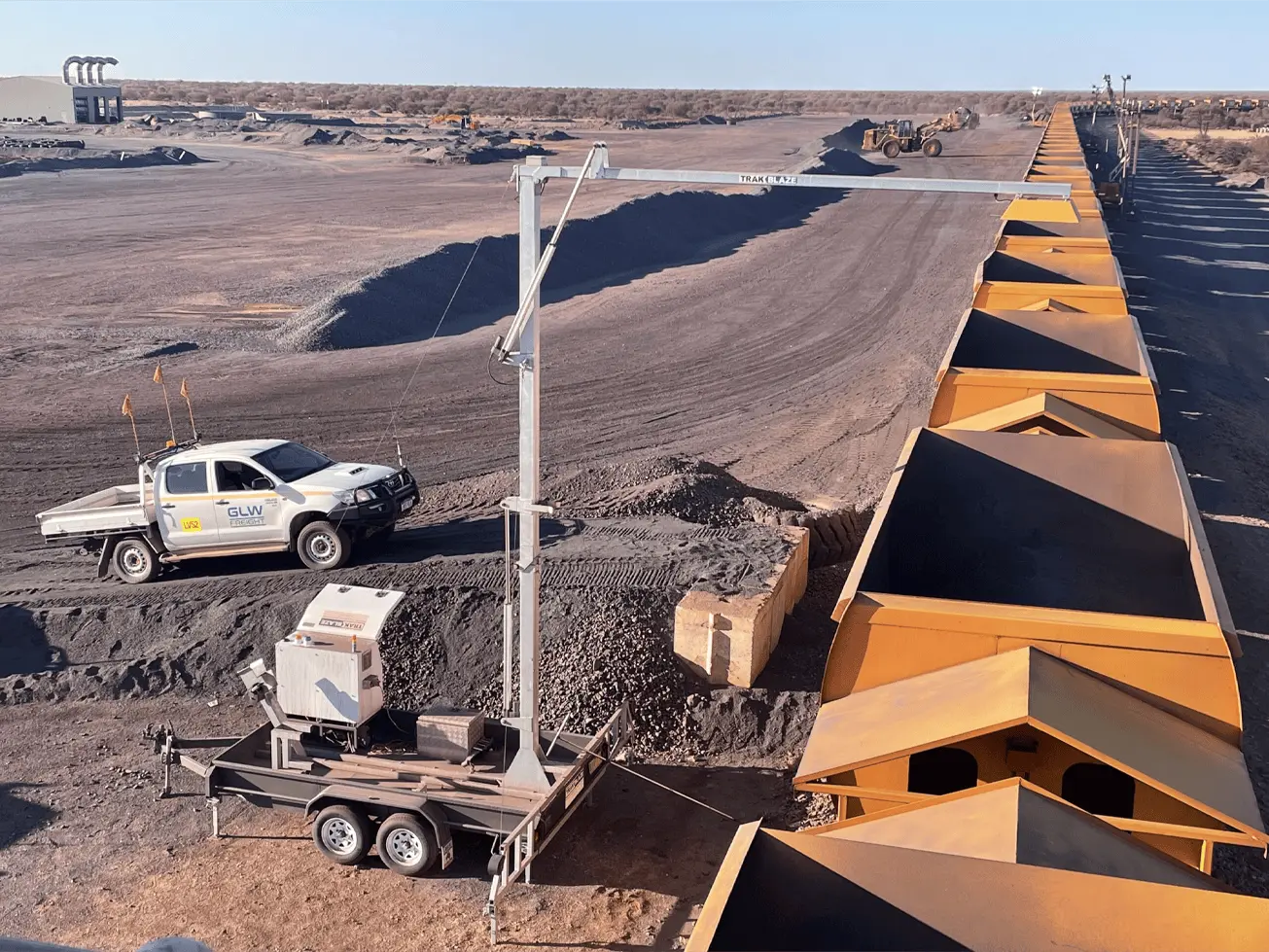
For instance, weighing solutions like Force 1, Force 2 & 4, or Infinity low/high-speed train weighbridges are made for weighing high-capacity mining vehicles. This makes them well-suited for challenging mining environments.
It is also important to consider how well the system handles environmental exposure. Dust, moisture and temperature changes can gradually impact performance. A well-protected system with durable components will maintain consistency and meet weighbridge accuracy standards, even when conditions are less than ideal. Your initial system choice often determines how much effort calibration will require later.
Equipment Receipt, Logging and Initial Condition Assessment
Before starting the adjustments, clear data on the system’s condition is important. You can establish a starting point by recording equipment details, calibration history and initial readings. These details work as a baseline for traceability and also help meet compliance.
Skipping these steps makes it difficult to identify and trace calibration issues later. If readings begin to drift, it becomes difficult to determine whether the issue is new or has been developing over time. Reviewing initial performance reports helps establish a clear reference point for future calibrations.
Visual Inspection and Operational Readiness Checks
A detailed inspection often reveals issues that are not immediately visible. Load cells, cables and junction boxes are consistently exposed to dust and vibration, which causes wear and damage over time.
Even small faults like loose connections or minor corrosion can affect signal accuracy. Identifying these issues early helps prevent inaccurate readings and supports more reliable load cell calibration.
Beyond visual checks, basic functional testing is also important. Does the system respond consistently when weight is applied? Are readings stable across repeated checks, or do they fluctuate slightly?
You may notice delays or inconsistent responses that indicate underlying issues. These simple checks help confirm whether the weighbridge is ready for calibration or if these issues need to be addressed first.
Cleaning and Mechanical Preparation of Equipment
In mining environments, constant exposure to dust and debris leads to rapid contamination build-up. Compacted material can further disrupt accurate load transfer across the platform. For that reason, thorough cleaning is a critical part of the calibration process.
The weighbridge should be cleared of mud, dust, stones and trapped debris, with key components inspected and cleaned carefully to ensure the platform can move freely.
Once the system is cleaned and free from obstructions, it behaves more predictably. The deck moves as intended, and the load is evenly distributed across components. This step may seem routine, but it plays a key role in ensuring calibration reflects true system performance rather than environmental interference.
Linearity, Repeatability and Accuracy Validation
Calibration is not just about achieving a single correct reading, but maintaining consistent readings. By applying controlled test loads at different points, you can verify that the system responds accurately from low to high capacity without any deviation. This is how you confirm the accuracy of real weighbridge readings in mining.
Repeatability is also essential in this process. When you measure the same load repeatedly, the system should deliver consistent results without any variation. If there are differences, there might be issues with the weighing components or the signal processing system. These checks provide a comprehensive view of system performance, ensuring accuracy and stability under real operational conditions.
Final Calibration, Certification and Dispatch Preparation
Once testing is complete, final adjustments are made to bring the system within required tolerances. This ensures the weighbridge meets both operational and regulatory standards while also supporting traceable performance records. Proper certification and documentation prepare the system for audits, inspections and site requirements.
After calibration, the next step is to prepare for deployment. Clear labelling, thorough record-keeping and careful handling are essential to maintaining system integrity during transport and installation. When these practices are combined with regular follow-up checks, they ensure consistent performance in challenging mining environments.
Calibration Mistakes That Affect Your Weighbridge Accuracy
Even with the right process in place, a few overlooked details can quickly impact weighbridge results. These are some of the most common mistakes that reduce accuracy in mining environments:
- Ignoring Build-Up and Contamination on the Weighbridge: Dust, mud and debris buildup in weighing systems are almost unavoidable in mining operations. Material can accumulate around load cells or beneath the deck, restricting movement. When the platform cannot move freely, weight transfer becomes inconsistent. Over time, this leads to distorted readings and unreliable calibration results.
- Incorrect Axle Load Distribution During Calibration: Calibration should reflect real operating conditions, but this is often missed. Uneven or unrealistic load placement does not represent how mining trucks actually distribute weight. As a result, the system may appear accurate during testing but fail under real loads.
- Failure to Address Ground and Foundation Issues: The foundation has a greater impact than you might realise. Ground movement, vibration or poor drainage can cause slight shifts in the structure. These changes may not be visible, but they still affect measurement accuracy. Over time, this leads to gradual calibration drift that is hard to trace.
- Overlooking High Traffic Impact and Component Wear: With heavy vehicles moving across the weighbridge all day, mining sites operate under constant pressure. This repeated stress accelerates wear on load cells and mechanical components. If not monitored, performance can slowly decline. Calibration may still be performed, but the system no longer responds as it should.
- Selecting an Inappropriate Weighbridge for Mining Conditions: Sometimes, the problem originates from the system itself. A weighbridge not designed for heavy loads or harsh environments may struggle to maintain accuracy.
Read More: The Toughest Scales for the Toughest Industry: Why Mines Choose Trakblaze
Accurate mining weighbridge calibration depends on following a clear and structured process. From selecting the right system to proper setup, testing and ongoing checks, each step plays a role in maintaining reliable performance. In harsh mining conditions, consistent calibration practices are essential to maintaining reliable performance. A well-managed calibration process helps ensure that weight data remains dependable across daily operations.
At the same time, minor oversights can become serious problems if ignored. Being proactive with inspections, maintenance and the right system support helps prevent avoidable errors and maintain reliable weighing performance. When calibration is handled properly, it improves accuracy and strengthens cost control throughout the site.
If you want to improve accuracy and maintain reliable weighing performance in mining environments, working with an experienced weighbridge provider, such as Trakblaze, can offer assistance. We help ensure your systems remain calibrated and supported for long-term accuracy and operational control. Contact us today to learn how we can support your mining weighing needs.
FAQs
How long does a mining weighbridge calibration typically remain valid?
A mining weighbridge calibration typically remains valid for 6 to 12 months, depending on regulatory requirements and site conditions. However, in harsh mining environments with heavy loads and high traffic, calibration may need to be checked or performed more frequently.
What early warning signs indicate calibration issues in daily operations?
Early warning signs of weighbridge calibration issues include inconsistent weight readings, frequent reweighs and mismatches between inbound and outbound weights.
Is on-site calibration more effective than off-site servicing for mining operations?
Yes, on-site calibration is generally more effective for mining operations because it reflects actual site conditions such as load patterns, environment and usage. It also reduces downtime, avoids transport-related disruptions and allows issues to be identified and resolved in real operating conditions.
What is the importance of accurate and efficient weighing in mining environments?
Accuracy and efficiency in mining weighing ensure safe operations, regulatory compliance and optimal resource use. Accurate data prevents overloading and equipment damage, while efficient processes improve productivity, reduce fuel use and maximise output from each haul.
What are the risks of exceeding payload limits in mining operations?
Exceeding payload limits in mining increases safety risks, equipment damage and compliance violations. Overloaded vehicles place extra strain on tyres, suspension and braking systems, leading to faster wear and potential failure.