





At a glance
- User-friendly weighing scales improve accuracy and consistency across operators, shifts and working conditions.
- They increase operational efficiency by reducing errors, delays and re-weighing in high-throughput environments.
- They reduce training time and ease onboarding for mixed-skill industrial workforces.
- Intuitive weighing systems improve data reliability and support compliance across industrial weighing operations.
In most industrial environments, vehicle weighing occurs daily, across various shifts and often under time pressure. Weighbridges and scales are integrated into regular workflows and are rarely treated as separate technical tasks.
Today’s operations need speed, reliability and adaptability. High output, rotating staff and varying experience levels are now common in transport, logistics and resource industries. In these environments, systems relying on operator judgment or complex procedures can quickly lead to errors and bottlenecks. This is where user-friendly weighing scales become critical. Ease of use directly affects accuracy, efficiency and cost control at the point of weighing.
In this blog, we examine which usability features matter most in industrial environments and why they are decisive for operational performance.
What “User-Friendly” Means in Industrial Weighing
User-friendly weighing scales are designed to be operated correctly and consistently in real-world working conditions. It does not mean simplified or reduced capability. Industrial environments are fast-paced and demanding, so usability is about clarity, predictability and control rather than fewer features. These systems enable precise operations without the need for constant interpretation or expert help.
This is achieved through intuitive interfaces, guided workflows and straightforward on-screen prompts that eliminate any guesswork during the weighing process. Purpose-built systems empower operators of varying experience levels to achieve consistent results, even when shifts change.
While durability and environmental protection are crucial, a weighing system is most effective when its software, interface and data presentation are as user-friendly as its hardware.
Why User-Friendly Weighing Solutions Matter in Industrial Environments
Here are some of the benefits of the user-friendliness of vehicle weighing systems in industries:
Improved Accuracy and Measurement Consistency
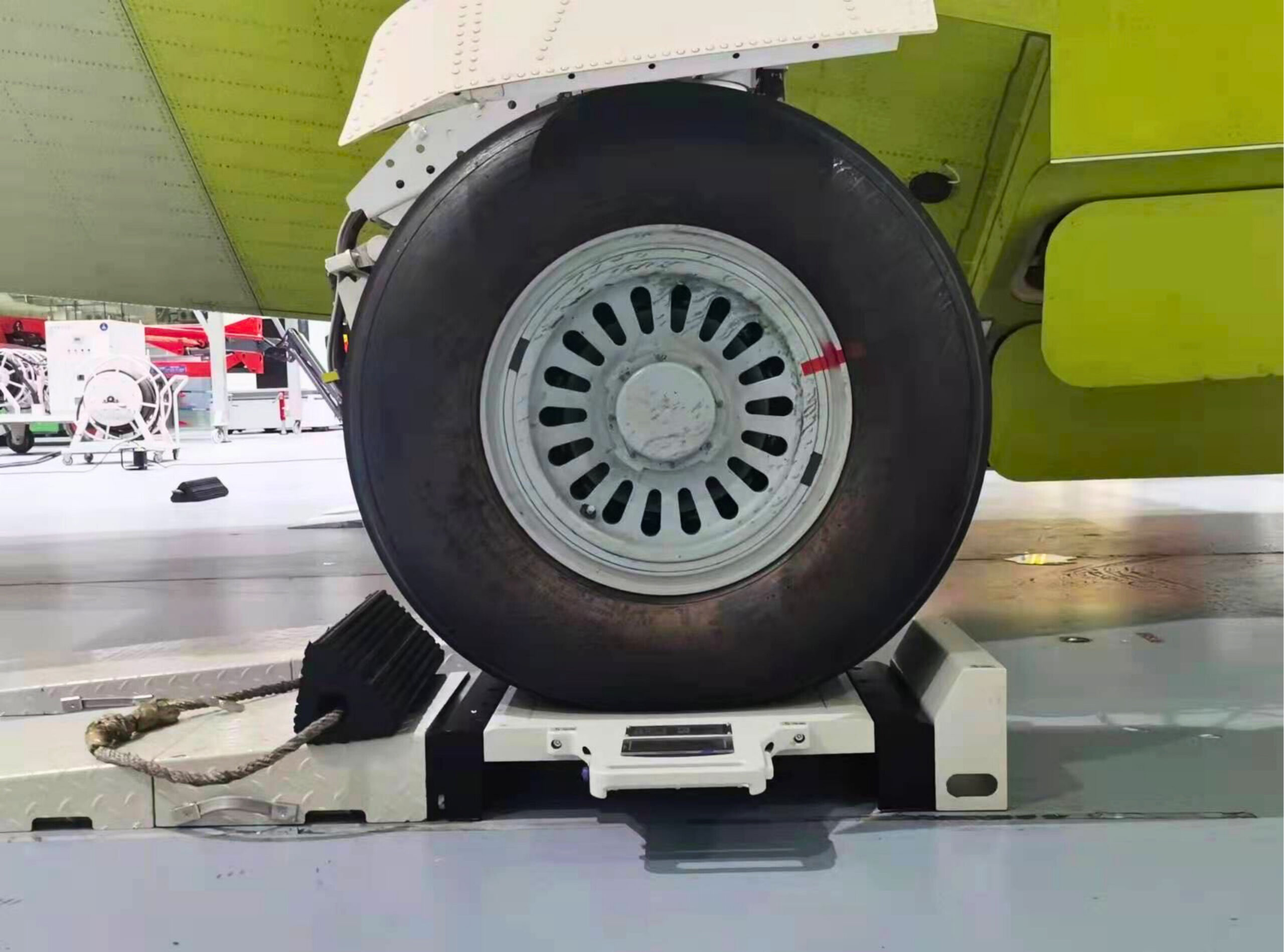
Accuracy in industrial weighing begins long before the actual measurement. User-friendly weighing systems help you by providing clear prompts and structured inputs, significantly reducing the risk of mistakes at the start of the process. This is especially critical in high‑stakes environments such as manufacturing, mining operations, logistics hubs, rail load‑outs and aviation, where even small inaccuracies can impact safety, compliance and operational outcomes.
Once weighing begins, stable, easy-to-read displays are crucial. Industrial weighing scales are frequently used in challenging conditions such as poor lighting, vibrations or outdoor environments.
By maintaining uniform operating procedures across user-friendly weighing interfaces, you can achieve consistent results. This level of consistency is vital in operations where the accuracy of weighing scales directly impacts product quality, compliance and billing.
Increased Operational Efficiency Through Error-Resistant Operation
In high-throughput industrial weighing operations, efficiency is rarely lost due to major system failures. It is more often affected by minor interruptions such as incorrect inputs, unnecessary navigation or operator hesitation. User-friendly weighing systems tackle this issue by streamlining each weighing cycle.
Clear screen layouts, logical workflows, and immediate access to basic functions (such as zero, tare and unit selection) help operators complete tasks quickly and confidently. This keeps operations running smoothly in logistics yards, transport depots and production lines.
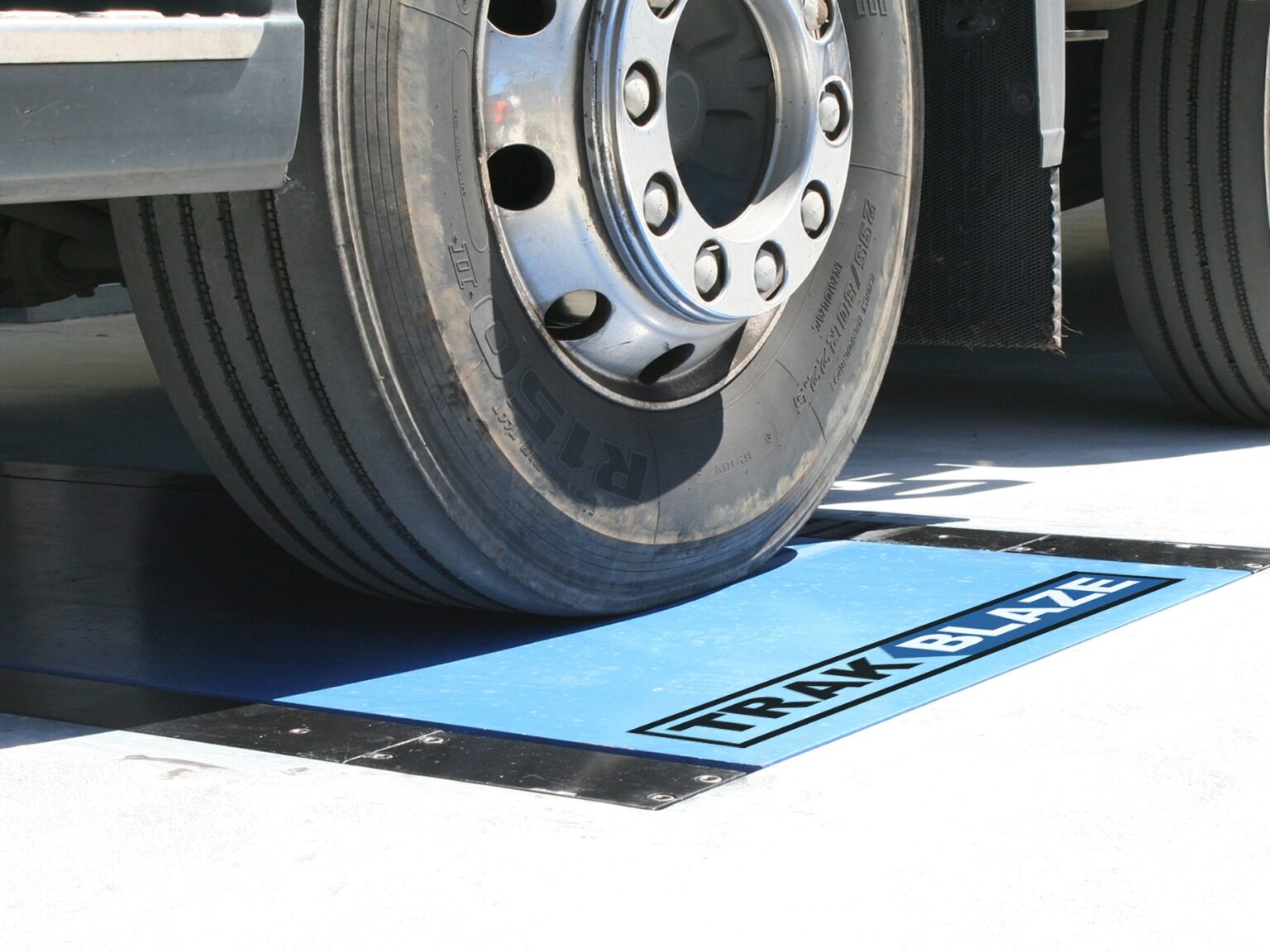
Error-resistant design is also crucial in maintaining throughput. Solutions like FORCE 1 offer intuitive weighing software that helps minimise operator mistakes in transport and logistics environments. As a result, these systems support smoother freight movement and more reliable industrial weighing performance.
Read More: Why Trakblaze FORCE™ 1 Outperforms Traditional Scales in Modern Industries.
Easier Training and Faster Operator Onboarding
Workforces in various industries are becoming more diverse in terms of skills and experience. Operator-friendly weighing systems help reduce the need for manuals or specialised supervision by presenting information in a straightforward and logical way. Operators learn through regular use rather than formal training, which is beneficial in fields where staff often rotate through multiple roles.
Simplified operating procedures also help flexible teams by easing setup and reducing operational errors. Portable systems equipped with compact controllers and easy-to-read displays enable operators to achieve precise results with minimal guidance. A weighing system like TRUCKMATE illustrates this approach well, combining a lightweight wireless or wired controller, a clear LCD touch screen display and an integrated printer in a robust carry case.
Safer and More Ergonomic Weighing Processes
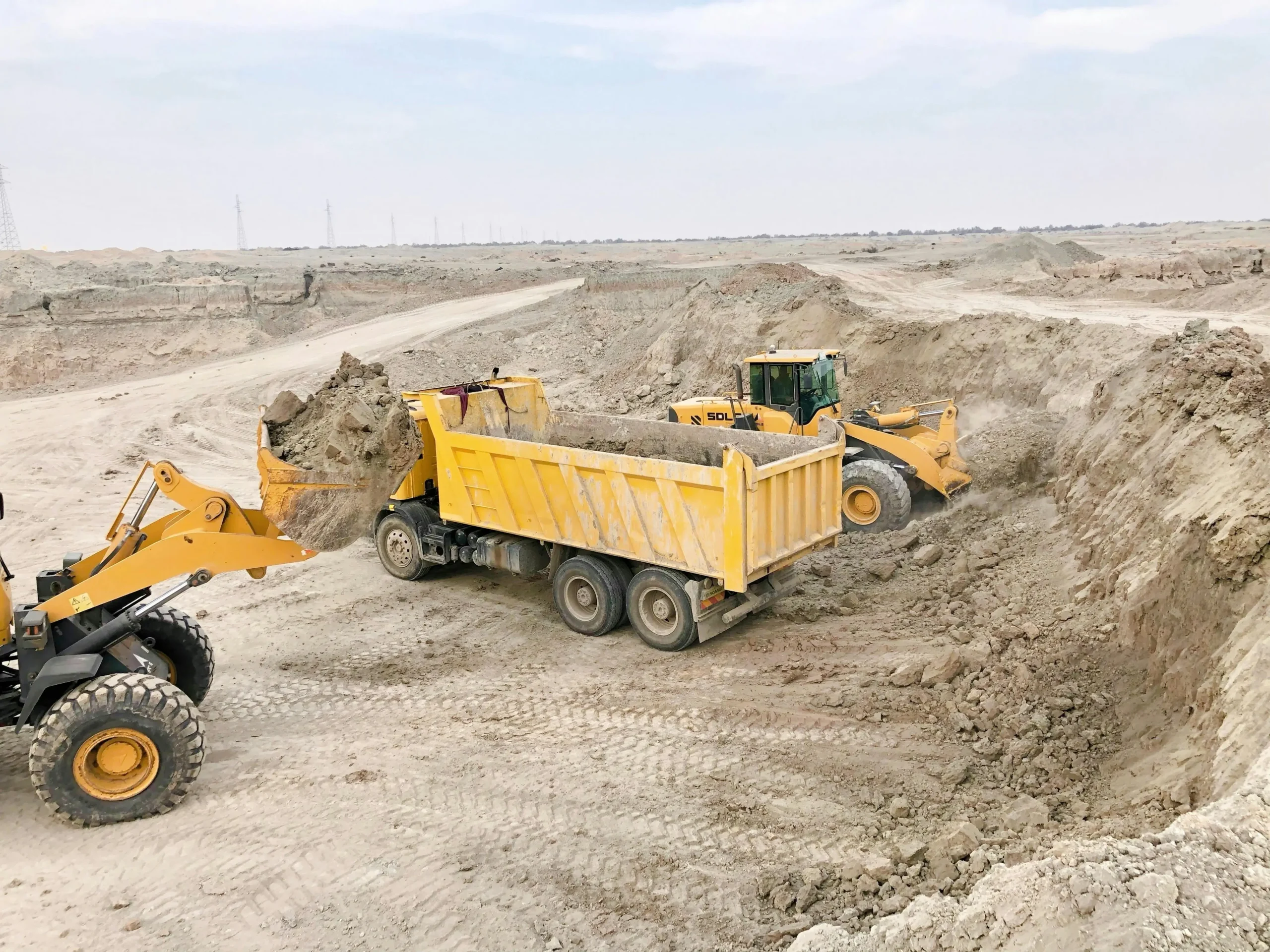
Safety in industrial weighing is closely linked to clarity. When weight data is clear and easy to interpret, operators can spend less time adjusting themselves or repeating checks around active equipment. This is particularly important in construction, quarrying and logistics, where weighing occurs alongside moving vehicles and machinery.
Moreover, user-friendly weighing systems reduce cognitive strain. Fewer interaction steps and expected system behaviour help operators focus on their surroundings rather than the interface. Over time, reducing mental and physical load results in safer work practices and a more efficient use of weighing systems in industrial operations.
Stronger Data Confidence and Traceability
Making trustworthy decisions depends on having reliable data. Intuitive weighing systems deliver results that are easy to grasp at the moment of capture, helping reduce confusion and interpretation errors. In industries like transport and manufacturing, this kind of clarity leads to quicker decisions and fewer internal conflicts.
Additionally, consistent data formatting enhances traceability. When weights are logged, checked or shared, a clear presentation minimises the chances of misreading or transcription errors.
Systems built for the reliability of weighing data ensure that records remain accurate without needing extra handling. This accuracy bolsters compliance, reporting and long-term operational confidence.
User-friendly weighing scales are now critical because industrial weighing is performed daily, often under pressure and across varied skill levels. Usability significantly impacts accuracy, efficiency, safety and data reliability in these conditions. Systems that clearly guide operators and minimise errors yield more consistent results than those relying on complex procedures.
Over time, user-friendly weighing systems reduce rework, simplify training and improve confidence in weight data. In today’s industrial environments, usability is essential rather than simply an added benefit.
Looking to improve weighing performance without adding complexity? Trakblaze offers a wide range of industrial weighing solutions designed for real world operating conditions, combining robust hardware with intuitive interfaces. Get in touch and speak with our team to see how simple, reliable weighing can boost your operations.
FAQs
Are user-friendly weighing systems suitable for harsh or high-vibration industrial environments?
Yes. User-friendly weighing systems are suitable for harsh and high-vibration environments because clear displays and guided operation help maintain accurate use despite dust, movement and poor visibility.
How does usability influence compliance outcomes across different industries and regulations?
Usability supports compliance by reducing operator errors and ensuring weights are captured and recorded correctly. Clear prompts, consistent workflows and readable outputs make it easier to meet regulatory requirements across different industries.
What role does software usability play as weighing systems become more connected and data-driven?
Software usability ensures that weight data is captured, interpreted and shared correctly as systems become more connected. Clear interfaces and consistent data presentation reduce errors and support reliable integration with other operational systems.