


At a glance
- INFINITY Low Speed (LS) and High Speed (HS) install with minimal track intervention, avoiding rail cutting, welding or grinding.
- INFINITY LS installs in 1-2 days, while INFINITY HS installs in 2-3 days.
- Both systems require minimal civil works, with foundations not always required.
- Modular sleeper design in Infinity supports flexible installation across varied rail sites.
If you have experience in rail or industrial infrastructure projects, you may have noticed that the installation process can differ from one site to another. Some projects can be completed quickly with minimal disruption, while others may face delays.
Downtime, track intervention and construction scope directly affect how smoothly you can install a system. This is why installation efficiency is an important factor for industries working in challenging rail environments.
The INFINITY Low-Speed (LS) and High-Speed (HS) in-motion train weighbridges are designed with these factors in mind. Instead of focusing solely on performance, their design emphasises easy integration with existing rail systems and minimal disruption.
This blog highlights the installation benefits of INFINITY LS and HS systems, covering installation timeframes, track modifications, civil works considerations and flexibility for various track conditions.
What Is the INFINITY Low & High-Speed Train Weighbridge?
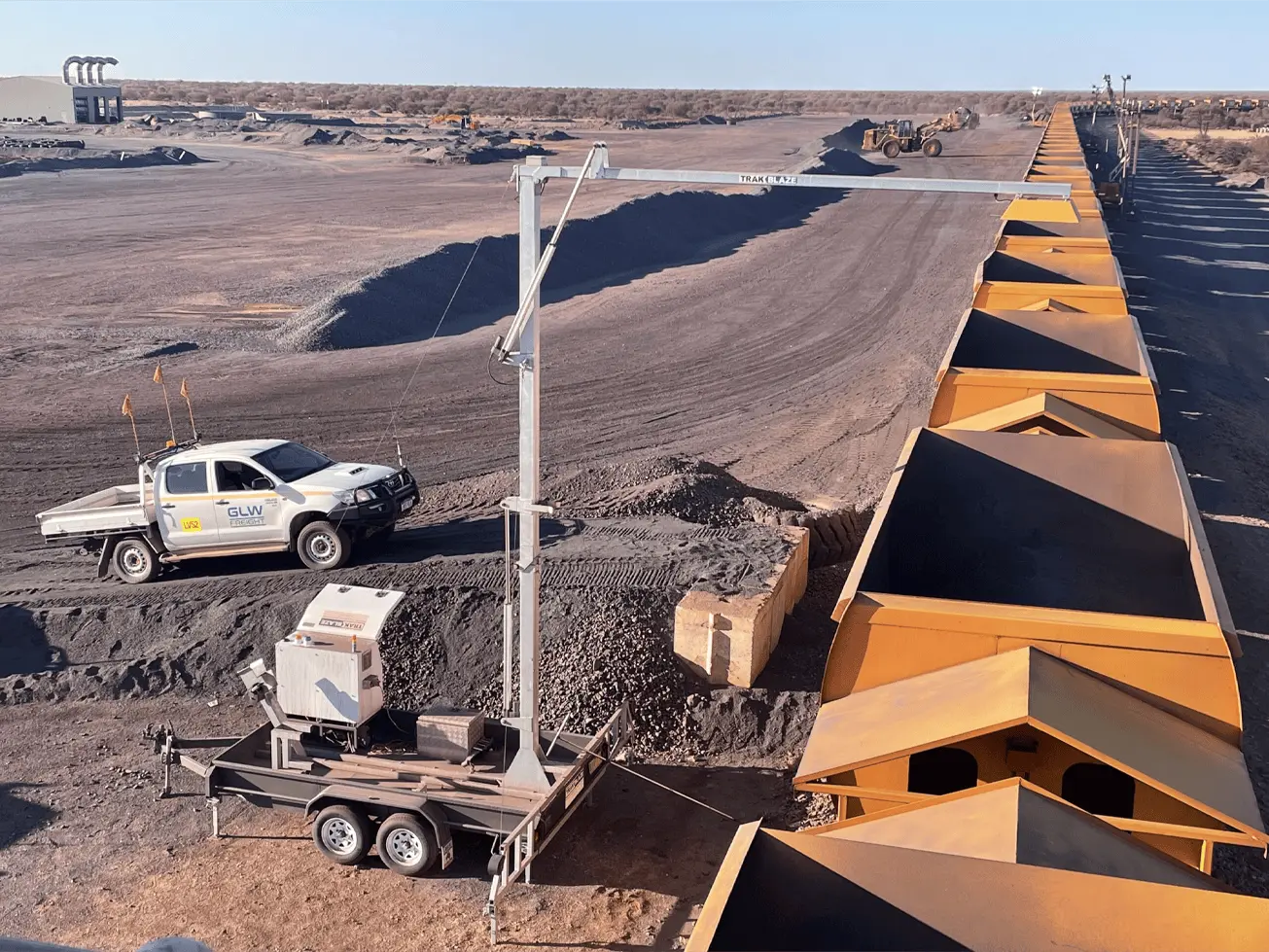
The INFINITY LS is a government-approved train weighbridge designed for low-speed rail movements up to 15 km/h in industrial settings. It is often installed at mine loadouts, cement plants, steel mills and power stations. The weighbridge is typically placed at least one wagon length away from the loadout. This setup provides real-time data on axle, bogie and wagon weights during loading.
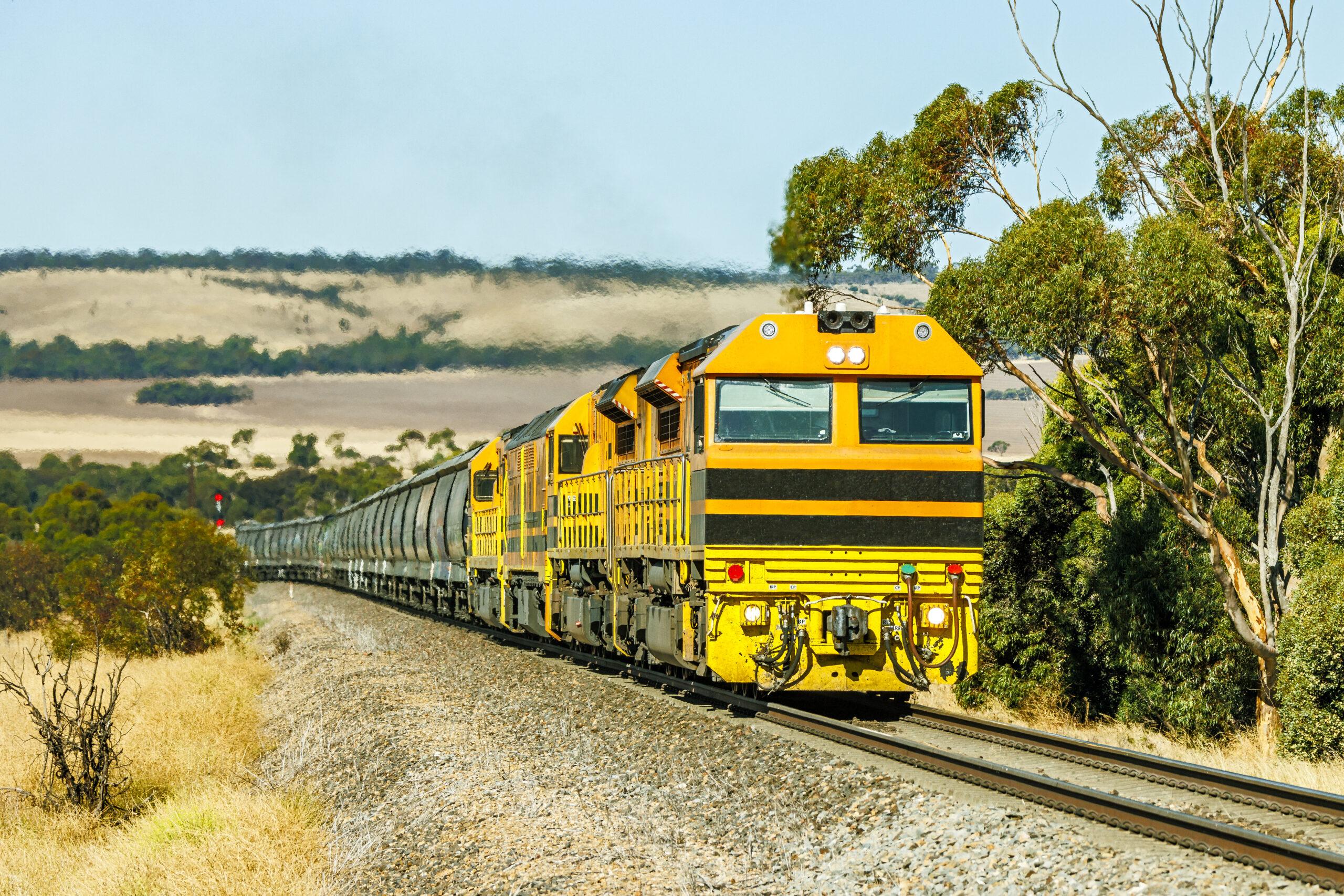
The INFINITY HS is also an authority-approved weighing system built for operational rail networks where trains run at speeds of up to 80 km/h and cannot slow or stop. It accurately captures weight data while trains are in motion, depending on track and rolling stock conditions.
By allowing compliant weighing at higher speeds, the system supports uninterrupted train movement while maintaining regulatory confidence.
What Are the Installation Benefits of the INFINITY Low & High-Speed Train Weighbridge?
The practical value of a train weighbridge is often determined by how efficiently it can be installed. Below are the key installation benefits of the INFINITY Low & High-Speed train weighbridge:
Minimal Track Intervention During Installation
For INFINITY LS, minimal track intervention is a key advantage in industrial rail settings. The system installs without cutting, welding or grinding the rail, which reduces safety risks and preparation work before installation. This approach is especially useful for low-speed train weighbridge installations in mining operations and plant sidings. By integrating directly with existing track layouts, INFINITY LS enables smoother installation with fewer specialised rail works.
In the case of INFINITY HS, its minimal intervention is a critical feature because of the operational sensitivity of high-speed rail corridors. Completing a rail weighbridge installation without invasive rail work avoids extended shutdowns and simplifies coordination with rail authorities. This leads to a faster return to operational tracks and reduces approval complexity.
Read More: The Importance of Accuracy and Efficiency Within Even the Most Challenging Mining Environments
Short, Predictable Installation Timeframes
The INFINITY LS system can typically be installed within 1-2 days, making it suitable for tight maintenance windows. This predictability allows site operators to plan installations during scheduled shutdowns instead of extended outages. Short installation cycles also reduce the need for temporary solutions, allowing sites to resume normal operations after installation is complete.
Similarly, the INFINITY HS system is usually completed within 2-3 days. This timeframe is notably efficient given the complexity of high-speed rail environments. Defined timeframes help rail operators coordinate installations during scheduled maintenance or possession periods.
From a project management perspective, this predictability reduces installation risk and enables more effective planning across extensive rail networks.
Reduced Civil Works and Foundation Requirements
With INFINITY LS, concrete foundations are not always required, depending on site conditions. When necessary, ballast stabilisation rail weighing techniques are used to effectively manage the impact at transition points. This approach helps maintain weighing stability without the need for heavy structural modifications. As a result, you can reduce the civil works involved in train weighbridge installation.
Even though INFINITY HS operates at higher speeds, it follows the same principle of minimising civil dependency. This means concrete foundations are not always necessary, which allows the system to fit into existing corridors with minimal structural changes. This approach makes the system well-suited to retrofitting train weighbridges where substantial civil work would be impractical or overly costly.
Modular Weigh Sleeper Design Simplifies Installation
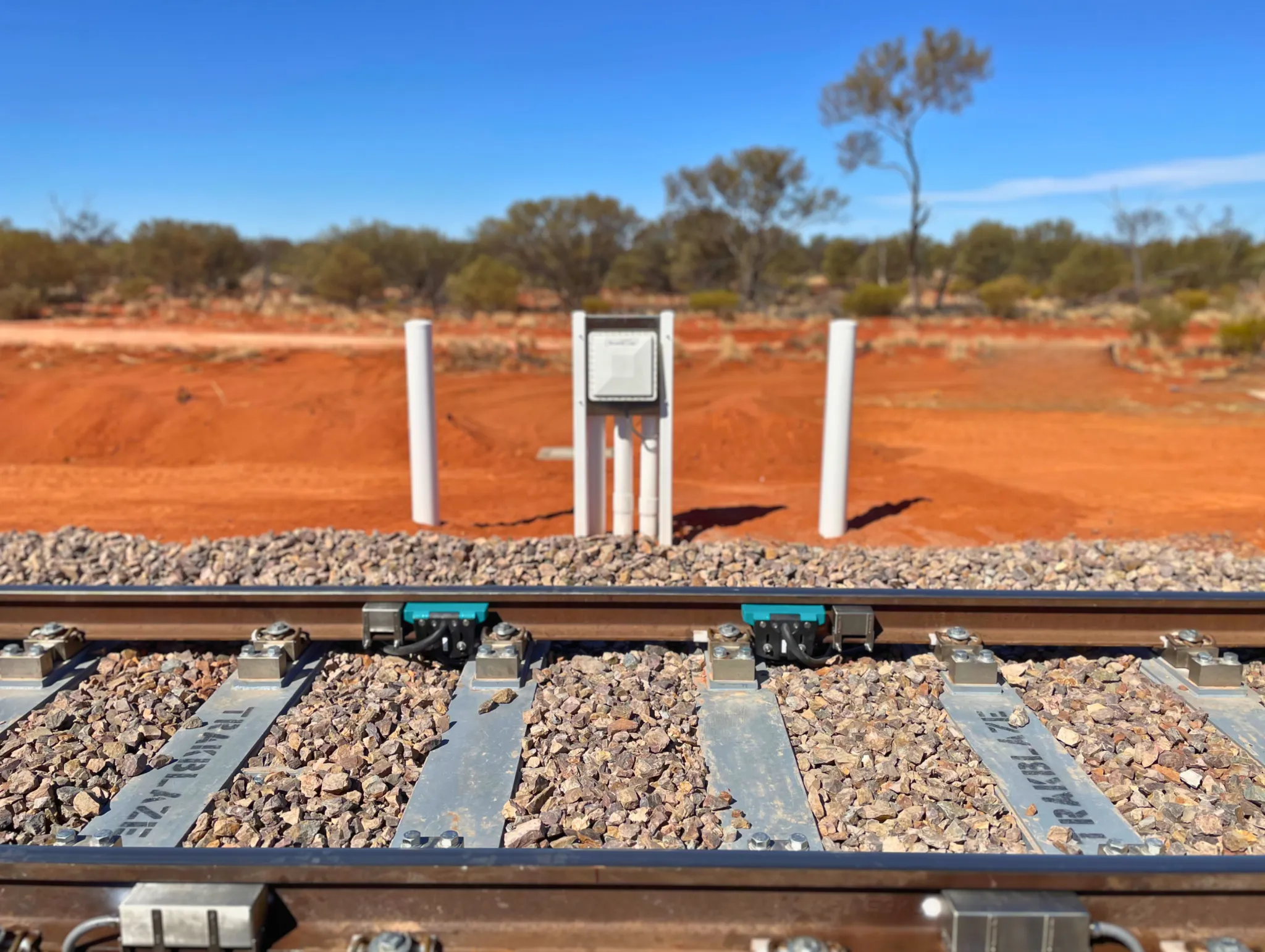
The INFINITY LS system includes two electronic weigh sleepers and four dummy sleepers, integrated into a single, pre-engineered structure. This pre-engineered setup simplifies alignment during installation and minimises the variability that can result from on-site fabrication.
With fewer components and a streamlined structure, installers can work more efficiently across different rail sites.
For INFINITY HS, the modular approach works in environments with higher operational demands, using six electronic weigh sleepers and twelve dummy sleepers. Even with a larger footprint, the installation process remains organised and methodical. This modular weigh sleeper setup supports efficient installation while maintaining performance in challenging rail conditions.
Flexibility Across Site and Track Conditions
By allowing installation on curved track sections with operating speeds of up to 5 km/h, the INFINITY LS system offers greater flexibility. It reduces the need for track realignment in industrial settings, where space is often tight or older layouts are in place. By adapting to the current geometry, the system enables quicker deployment and helps avoid unnecessary track reconstruction.
Likewise, INFINITY HS flexibility comes from its ability to work with different track and rolling stock conditions across various rail networks. This adaptability enables seamless integration into rail infrastructure without requiring major modifications for each installation. Consequently, the system can be implemented across multiple corridors while ensuring consistent installation results.
The INFINITY Low-Speed and High-Speed in-motion train weighbridges are designed to simplify deployment by minimising track intervention, reducing civil work and providing clear installation timelines. This approach helps you minimise disruptions to ongoing operations.
This installation-focused design supports faster deployment, easier integration into existing rail infrastructure and long-term confidence in system performance. For industries operating in challenging rail environments, INFINITY offers practical, reliable installation benefits.
If you are planning a train weighbridge installation, working with an established weighing technology provider makes a measurable difference. Trakblaze supports organisations with proven low and high-speed in-motion train weighing solutions designed for high accuracy, efficient installation and long-term reliability. Contact us and speak with our team to design an installation plan tailored to your rail environment.
FAQs
What site information is required before planning an INFINITY train weighbridge installation?
Track layout, operating speed, ballast condition and available installation windows are required before planning an INFINITY train weighbridge installation. It is also important to confirm whether the site is an industrial siding or an operational rail network.
Does installing an INFINITY train weighbridge require rail authority approvals or operational sign-offs?
Approval requirements depend on the site. Installations on operational rail networks typically require rail authority approvals and operational sign-offs, while industrial sidings and private rail infrastructure generally follow site-specific approval processes.
What should operators consider when planning future upgrades or network expansions?
Operators should consider train speeds, traffic volumes, track changes and network expansion plans, ensuring the weighbridge configuration can continue to operate effectively as operating conditions evolve.