

At a glance
- Accurate weighing data enables early detection of empty-return weights, helping operators identify and control carry-back.
- Load monitoring helps identify overloaded, unstable, or poorly distributed loads before movement, helping prevent material spillage.
- Long-term weight trends support predictive maintenance, helping mines address issues before they cause spills.
- Advanced weighing systems, such as truck scales and mobile train weighers, deliver the precise data needed for safer mining operations.
Mining operations move massive volumes of material every day, and accurate weight measurement is crucial. To maintain smooth production, sites rely on accurate weighing data that shows exactly how much material is being loaded or transferred at any time.
Weighing data has an important part in keeping mining operations running smoothly. By tracking weight across haul trucks and conveyors, operators can clearly see how loads behave at every stage. Without accurate readings, carryback can build up unnoticed, leading to reduced productivity. Spillage can occur during haulage, creating safety risks, waste material, and causing unnecessary downtime.
This article explains how weighing data helps mining operations control carry-back and reduce spillage. You’ll also learn which weighing solutions are best suited to these challenges and how real-time data empowers mines to operate more safely and efficiently.
How Mining Operations Use Real-Time Weight Data to Control Carry-Back
Real-time mining weight monitoring provides operators with the insights they need. They can spot early warning signs of carry-back and take action before it impacts production. Here’s how it helps control carry-back effectively:
Detecting Carry-Back Through Empty-Return Weights
Weighing data helps mining operators establish standard weights for empty-return haul trucks, conveyors, and return belts. When these baselines shift, the system quickly alerts them to unusual increases that might otherwise go unnoticed. Rising empty-return weights strongly indicate that material is sticking to equipment surfaces. This early visibility helps prevent carry-back in mining before capacity loss begins to affect cycle efficiency.
By detecting these deviations at the earliest stage, sites avoid the gradual buildup that restricts payload space and increases haulage requirements. Operators can intervene quickly, improving mining productivity through accurate weighing data.
Activating Automated Cleaning Systems
When weighing systems detect higher empty-return belt weights, they can automatically activate belt scrapers or cleaning mechanisms to remove stuck material. This automated response ensures that cleaning intensity matches the amount of buildup. As a result, it allows primary, secondary, and tertiary scrapers to operate effectively at the right time. Integration of weighing data with mining haul vehicles and equipment helps maintain proper cleaning intervals without operator guesswork.
Timely activation of scrapers prevents carry-back from moving further down the conveyor system, where it can block rollers, idlers, or transfer points. By coordinating cleaning efforts with real-time weight conditions, mines improve load stability monitoring and reduce maintenance needs associated with buildup failures.
Supporting Predictive Maintenance
Long-term weighing data show a clear trend line that illustrates how carry-back develops over time. Gradual increases in return weights often indicate worn belt scrapers, improper cleaning angles, or changes in material behaviour that need attention. Weight variations over weeks or months help maintenance teams spot patterns that are not obvious in visual inspection alone.
Having access to these insights also allows teams to service equipment before buildup becomes severe enough to reduce throughput or cause blockages. With fewer disruptions, mines can sustain reliable production output while extending the lifespan of key components.
Read More: The Importance of Accuracy and Efficiency Within Even the Most Challenging Mining Environments
Understanding Material Behaviour
Factors such as moisture content, density, and adhesiveness strongly influence the amount of material that builds up on equipment surfaces. With weight data, operators can spot when specific material types cause greater carry-back due to such material characteristics. So, weight data helps understand the effect of the material’s characteristics in the carry-back buildup. Such detailed material flow analysis in mining helps make better operational changes.
By understanding these behaviour patterns, mines can use cleaning strategies that fit the properties of the material being processed. Adjustments may include switching scraper types, changing belt cleaning angles, or altering operational settings to reduce sticking.
How Weighing Data Helps Reduce Material Spillage in Mining Operations
Here’s how leveraging weighing data can keep your mining operations cleaner and reduce costly material spillage.
Flags Overloaded or Poorly Distributed Loads
Real-time weight data quickly identifies when trucks, buckets, or conveyors exceed their safe load limits. These readings also reveal uneven or poorly distributed loads, which are a major cause of mining conveyor belt spillage and material loss during haulage. Spotting these problems before movement begins lets operators fix them while the load is still stationary.
By ensuring every truck or conveyor section leaves with a properly balanced, compliant load, mining sites can greatly reduce the risk of spillage during dumping, transport, or transfer. This hands-on approach reduces unnecessary cleanup or safety hazards.
Monitors Load Stability During Movement
In-motion weighing tools collect weight data during the vehicle movement, revealing how loads behave in real mining operating conditions. Strategically placed weighbridges measure changes, helping teams spot shifting loads and axle imbalances at different time intervals. This helps understand the material behaviour during operation that may not be obvious during stationary weight checks.
With this insight, operators can adjust driving speed, braking habits, or conveyor settings to keep material stable. It also helps identify equipment issues, such as worn liners or misaligned belts, that contribute to spillage. For mines focused on reducing material loss, monitoring load stability during movement is essential.
Improves Loading Precision and Operator Control
Weighing systems provide operators with clear visibility into fill levels during each loading cycle, ensuring buckets or truck trays reach the proper capacity. It prevents overfilling, a main cause of spillage at transfer points or during initial acceleration. Operators get a consistent reference point, keeping loading practices uniform across shifts and materials.
With clear load data, teams can work more efficiently and eliminate the guesswork that often causes unnecessary spillage. Consistent loading improves both production quality and operational safety. Ultimately, it supports optimal material flow and reduces the volume of cleanup required for spills.
Supports Root Cause Analysis for Repeated Spillage Events
Historical weight records help identify patterns linked to recurring spillage issues. Sudden dips or spikes in weight at specific points may signal equipment faults, inconsistent loading practices, or belt alignment issues. Analysing these discrepancies gives maintenance teams valuable context for identifying the source of material loss.
Mines can implement long-term corrective actions, such as adjusting equipment, updating operational procedures, or scheduling targeted maintenance. These approaches help mines address the root causes of spillage rather than just responding to symptoms.
Choosing the Right Weighing Solutions for Mining Operations
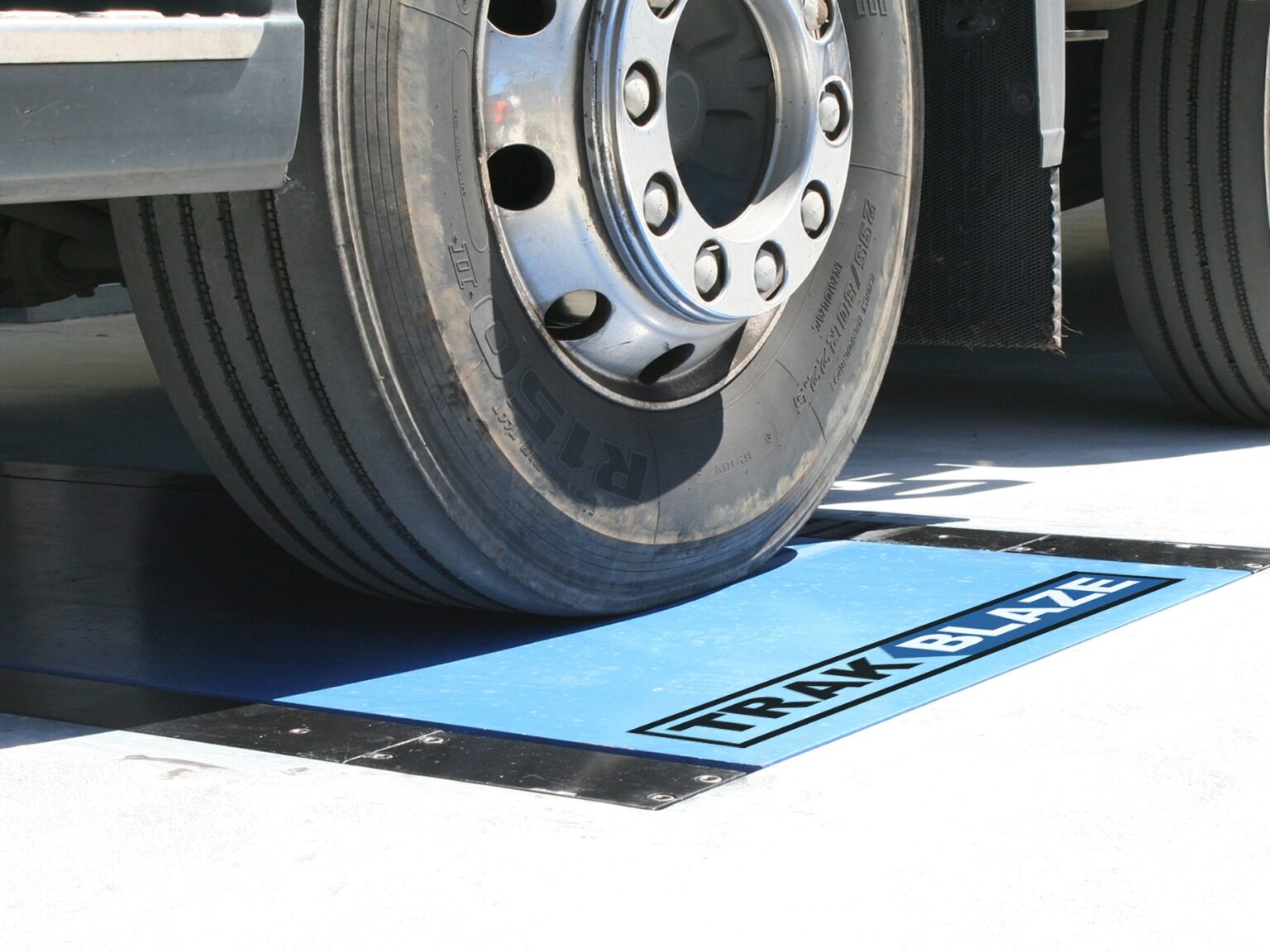
The right weighing solutions ensure accurate weight data is captured and maintained across every stage of mining operations. Solutions like the FORCE 2&4 Mining Truck Scales provide operators with accurate static and in-motion weighing for haul trucks without interrupting production.
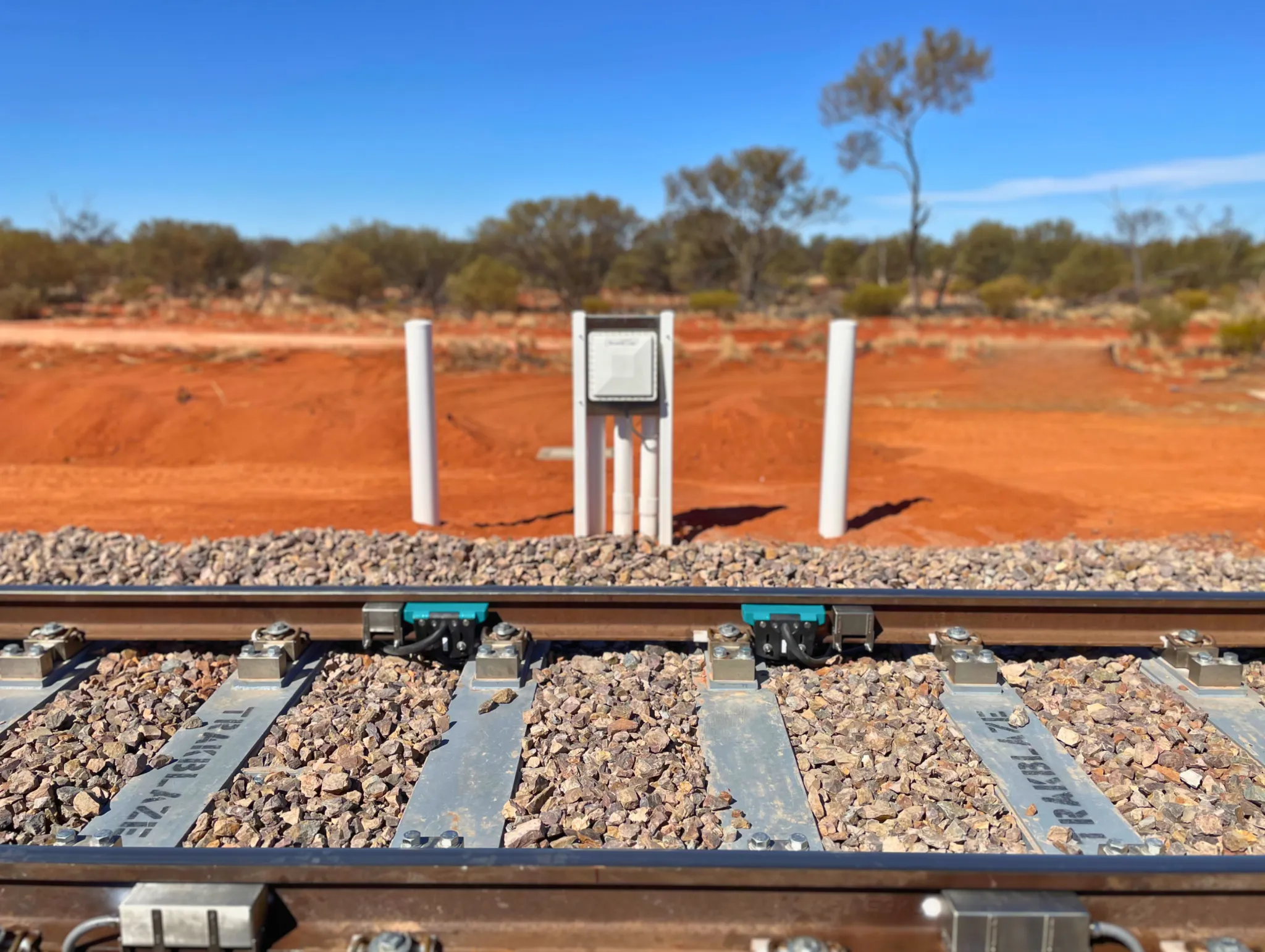
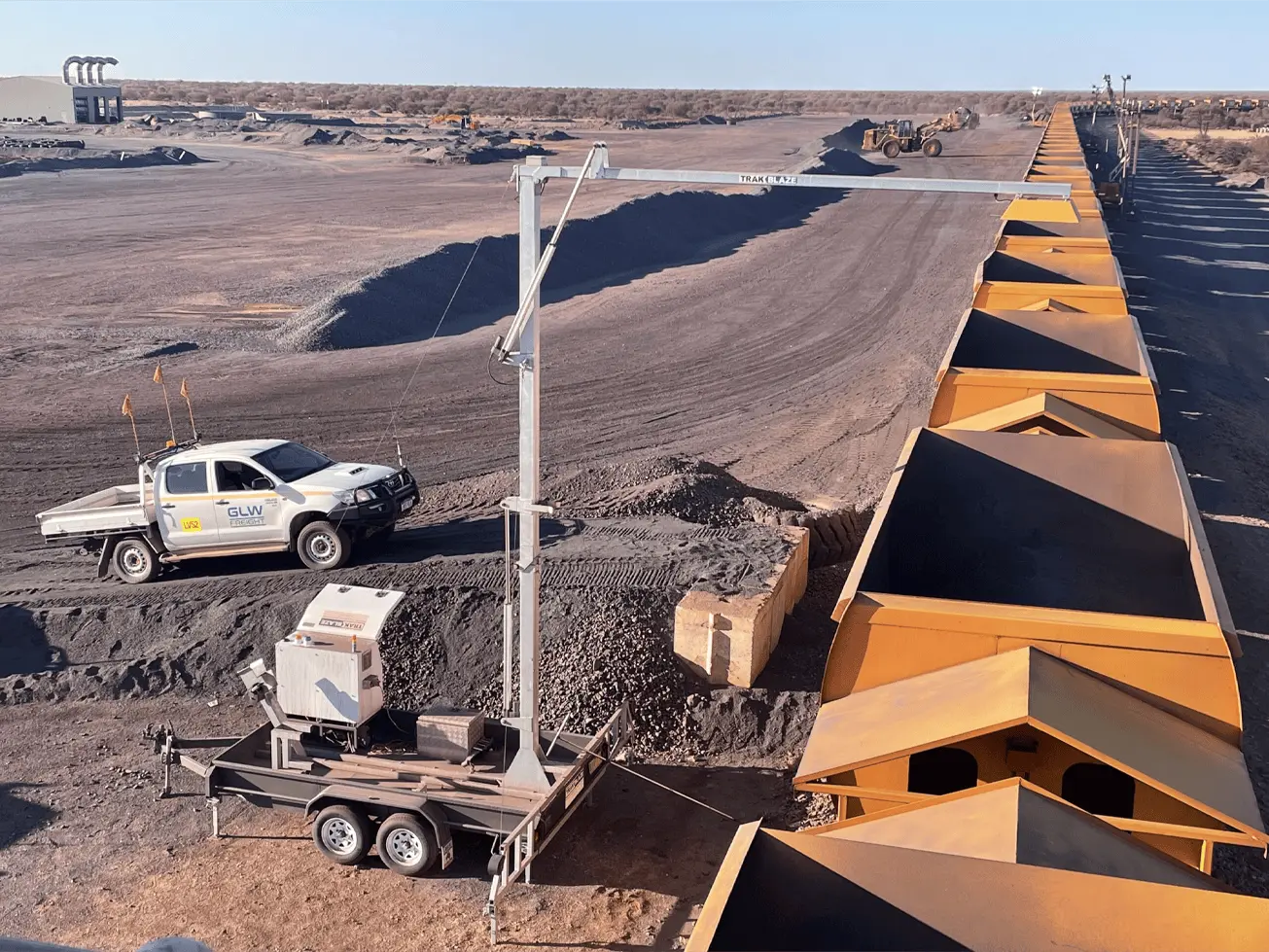
The MVS Mobile Volumetric Scanner quickly verifies load volume for trucks and trains. For operations that use rail, the MTW Mobile Train Weigher offers a lightweight, portable method to gather precise wagon data anywhere on site. This supports better loading practices and safer movement.
Read More: Factors To Consider When Selecting A Truck Scale For Mining Applications
Each of these systems provides mining operators with highly accurate weighing results that support material handling decisions. By delivering dependable weight intelligence, they also support better control of carry-back and help minimise spillage across haulage, loading, and rail movements. The best choice ultimately depends on the site’s operational priorities.
For operators seeking accurate weighing solutions to control carry-back or reduce spillage, Trakblaze is a trusted name in precision weighing for the mining industry. With decades of experience and industry-proven technology, we ensure your site gets the accuracy and reliability it needs. Contact us today to explore weighing solutions ideal for your mining operations.
FAQs
What types of mining environments benefit most from advanced weighing technology?
Advanced weighing technology benefits surface mines, underground operations, high-volume haulage sites, and conveyor-heavy processing plants. Ultimately, any mining operation that relies on continuous material movement can benefit from accurate, real-time weight data.
Can weighing systems operate accurately in harsh mining conditions?
Yes. Modern weighing systems are designed to operate accurately in harsh environments, including extreme temperatures, dust, vibration, moisture, and heavy impact.
How does weighing data integrate with mine dispatch, fleet management, or automation systems?
Weighing data integrates seamlessly through digital interfaces, wireless connectivity, and real-time data transfer. This allows load information to feed directly into operational dashboards, enabling automated decision-making and improved routing.