



At a glance
- Accurate weight data underpins revenue, billing integrity and contract performance in bulk transactions.
- Inaccurate measurements lead to disputes, delayed payments and weakened commercial relationships.
- Modern weighbridges provide real-time data that both buyers and sellers can confidently rely on.
- Integrated, compliant and standardised weighing systems strengthen transparency and reinforce long-term trust.
Weight is not just a number; it is essential to every business deal in bulk material transactions. Freight charges, invoice totals, contractual volumes and compliance obligations are all calculated on a per-tonne basis. Recording accurate weight data is crucial for buyers and sellers, as it affects revenue, profit margins and long-term partnerships.
When weighing processes are inconsistent or poorly documented, issues can arise quickly. Even minor discrepancies can lead to significant financial differences, resulting in disputed invoices and delayed payments. This is where modern weighbridge systems become essential. With clear and traceable measurements, they offer a dependable source of truth that protects both parties.
In this blog, we examine how effective weighbridge systems strengthen buyer-seller relationships and lead to more secure commercial outcomes. But before that, let’s understand how inaccurate weighing can strain their relationships.
How Inaccurate Weighing Weakens Buyer & Seller Relationships
Even small measurement inconsistencies can impact broader commercial operations beyond a single transaction. Here’s how inaccurate measurements affect buyer and seller transactions:
- Revenue Discrepancies and Margin Erosion: A small variance in load weight may seem minor, but over hundreds of deliveries, it results in a significant financial impact. Sellers face lost revenue from under-recorded weight, while buyers worry about overpayment from inflated loads. These discrepancies can erode trust and strain commercial relationships over time.
- Frequent Invoice Disputes and Payment Delays: When the recorded tonnage does not match expectations, it often raises questions about the invoices before payment is made. This triggers back-and-forth verification, rechecks and administrative reviews, which slow billing cycles.
- Lack of Data Transparency and Traceability: Inconsistent record-keeping makes it difficult to verify historical transactions. Without accessible data, verifying load details across multiple sites becomes complex and time-consuming. Lack of clear records creates doubt, especially when questions arise weeks after delivery.
- Long-Term Contract Instability: During contract renewals and performance reviews, inconsistent weight data can influence negotiations and evaluations. If weight measurements are unreliable, it can undermine your company’s reputation over time.
How Modern Weighbridges Support Buyer and Seller Confidence
If inaccurate weighing creates doubt, modern weighing infrastructure removes it through structure, visibility and control. Here’s how weighbridges build confidence for buyers and sellers:
Automated and Tamper-Resistant Data Capture
A key change in modern weighbridge design is moving from operator-based recording to structured, automated workflows. Now, vehicle identification, weight stabilisation and transaction recording happen within controlled digital sequences. This transition eliminates inconsistencies that can arise from manual entries and rushed data recording during busy operations. It also addresses varying operator practices during busy dispatch times.
Equally important is the protection of recorded data after capture. Today’s industrial weighbridge systems are equipped with secure user permissions, audit tracking and restricted editing environments that prevent unauthorised changes. Every transaction leaves a digital trace, creating a reliable audit trail.
For customers, this means a lower risk of tampered records, while for sellers, it protects against unfounded disputes. Ultimately, this strengthens confidence in the accuracy of each recorded load.
Real-Time Digital Ticketing and Reporting
Weighbridge platforms generate timestamped digital tickets once a vehicle completes its weighing process. This transaction data is then stored in a centralised database. Each record includes information on the load, vehicle and date/time in a standardised format that authorised stakeholders can securely access.
This immediate visibility enhances operational transparency and efficiency. When buyers and sellers have access to the same verified dataset, they can confidently resolve questions. This shared understanding reinforces trust and minimises the risk of extended disputes.
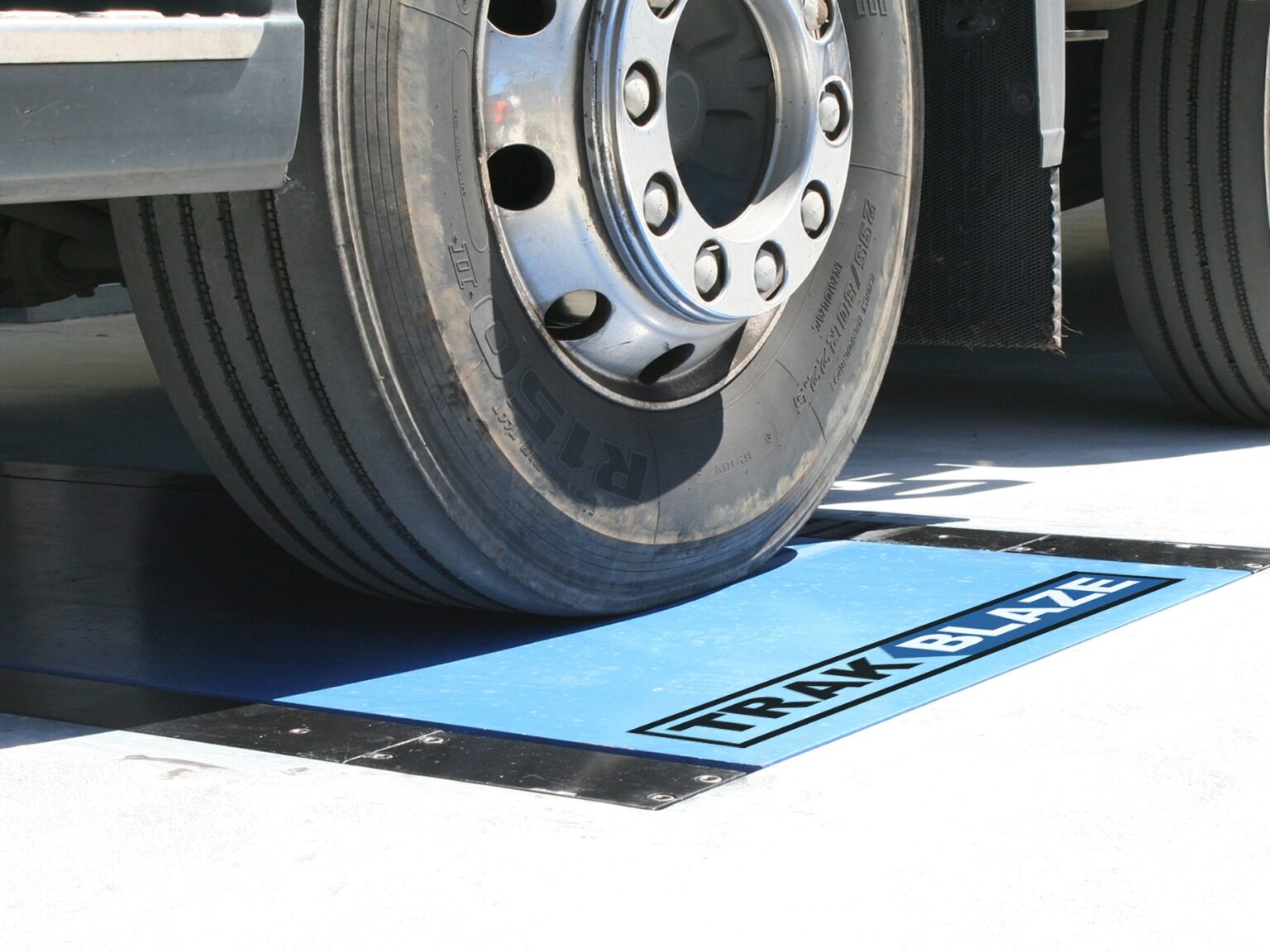
For example, the FORCE 1 Truck Axle Scale is supported by software that displays weight data in real time. Results are processed as each vehicle is measured, providing immediate visibility of recorded loads.
Integration with Operational and Financial Systems
Confidence is built when weight data flows seamlessly across the organisation instead of remaining isolated. Reliable weighbridges can integrate seamlessly with dispatch, fleet and ERP systems, ensuring tonnages are automatically entered into operational and financial records.
This level of integration also removes administrative barriers, as there is no need to manually re-enter data into invoicing systems. Over time, automated data synchronisation improves alignment between measured loads, delivery confirmations and billing statements. This gives customers confidence that invoiced quantities match recorded weight data and helps sellers achieve faster reconciliation.
Compliance Monitoring and Overload Prevention
Modern industrial weighbridges contribute to compliance by providing real-time visibility into vehicle mass before departure. Operators can quickly see if a load is nearing or exceeding permitted limits. Prompt adjustments help minimise enforcement penalties and prevent transport delays.
Beyond total mass, advanced systems provide axle-level insights that support proper load distribution. This not only protects road infrastructure and vehicle safety but also demonstrates operational responsibility.
Buyers are more confident partnering with suppliers who proactively manage compliance. This proactive approach reduces the likelihood that regulatory disruptions will interfere with delivery commitments.
Read more: Why Overloaded Road & Rail Vehicles Are Dangerous And How To Avoid Them?
Multi-Site Visibility and Standardised Measurement
For organisations that operate across various facilities, inconsistencies between sites can quietly erode trust. Weighbridge networks offer centralised oversight to ensure that all locations follow consistent measurement protocols and operational standards.
Corporate management can monitor performance trends, compare throughput data and identify irregularities early. Standardisation also removes confusion when materials are sourced from different locations, giving buyers peace of mind that every shipment is measured using the same procedures and standards. In long-term supply agreements, consistency stabilises and builds confidence in meeting quantity commitments across all sites.
In bulk material transactions, confidence is built on certainty. Accurate, traceable and consistently managed weight data eliminates ambiguity and reduces disputes between buyers and sellers. Weighbridge systems provide a common reference point that both parties can rely on when managing each transaction.
Investing in weighbridge technology enhances integrity, protects revenue, ensures compliance and reinforces credibility in every transaction. For businesses operating in high-volume supply chains, reliable weight measurement forms the foundation of transparent and dependable partnerships. It ensures that deliveries, invoices and payments align with verified measurements on both sides.
Looking for a reliable weighing solution that ensures every transaction is backed by reliable weight data? Trakblaze is a reputable weighbridge provider that offers systems that deliver transparency and accuracy your trade partners can trust. Contact us today to strengthen transparency across your operations.
FAQs
How can transparent weighing practices strengthen long-term supply partnerships?
Transparent weighing practices provide accurate, traceable and verifiable weight data that both buyers and sellers can rely on. When transactions are supported by consistent measurement standards, disputes are reduced and invoice reconciliation becomes faster and more predictable.
How can shared weighbridge data improve demand planning between buyers and sellers?
Shared weighbridge data gives both buyers and sellers accurate visibility into actual delivered volumes over time. This helps align supply commitments with actual consumption patterns rather than assumptions.
What factors influence the accuracy of a weighing system?
Weighing system accuracy is influenced by proper calibration, stable installation, environmental conditions and correct load positioning. Read this blog to understand the factors that affect the accuracy of your weighing system.
How do weighbridges support future operational growth in mining and logistics businesses?
Weighbridges support future operational growth by providing scalable infrastructure capable of handling increasing vehicle volumes and higher throughput without compromising accuracy. Modern systems can expand with additional lanes, software upgrades or integration with broader logistics platforms as operations grow.
Which portable weighbridge technologies support high-accuracy load verification?
Weighbridge technologies like TRUCKMATE are portable truck scales designed with a large weighing surface and a low-profile structure, delivering reliable and precise measurements.