

At a glance
- The MTW allows accurate train weighing across multiple locations without the need for permanent infrastructure.
- It installs directly into existing rails in 10–15 minutes without cutting, welding or track modification.
- Load-cell-based technology supports accurate static and in-motion weighing of wheel, axle, bogie and total train weights.
- The MTW can be expanded to the MTW-MS (multiple systems) to support higher-speed weighing and advanced rail applications.
Rail operations rely on accurate weighing to support safety, operational efficiency and compliance. Depending on how your rail operations are structured, weighing may be required at various points, including depots, workshops, sidings, mining sites and temporary track sections.
Fixed rail weighbridges are widely used in rail infrastructure for their reliability and remain an effective choice for permanent installations. But when you need to weigh trains at multiple locations, at temporary sites or closer to the point of operation, mobile rail weighing provides a practical alternative.
The MTW Mobile Train Weigher is designed for these scenarios, enabling accurate train weighing without permanent installation.
This blog explains how the MTW Mobile Train Weigher’s portable design enables flexible rail weighing across multiple locations.
What is MTW – Mobile Train Weigher?
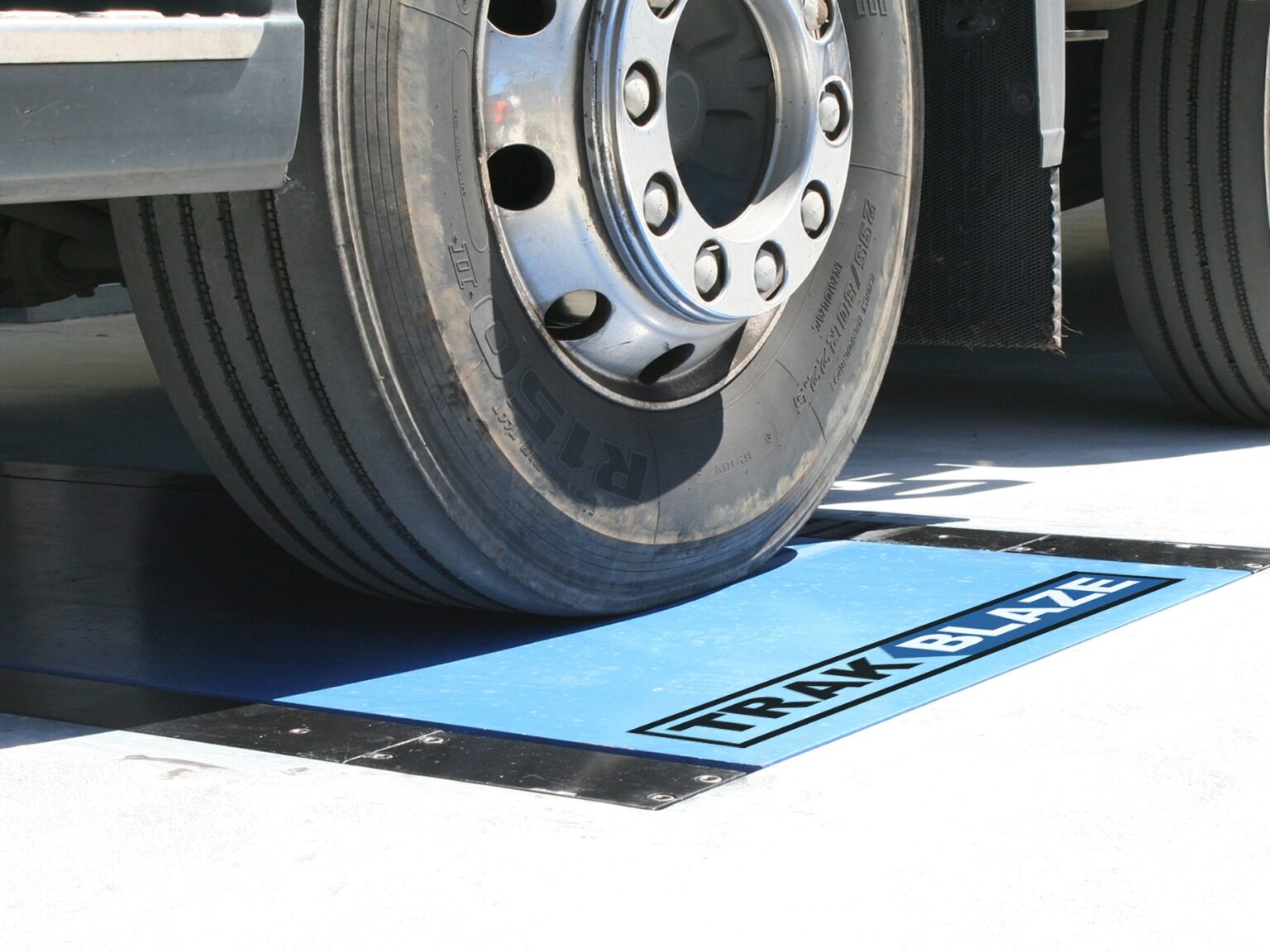
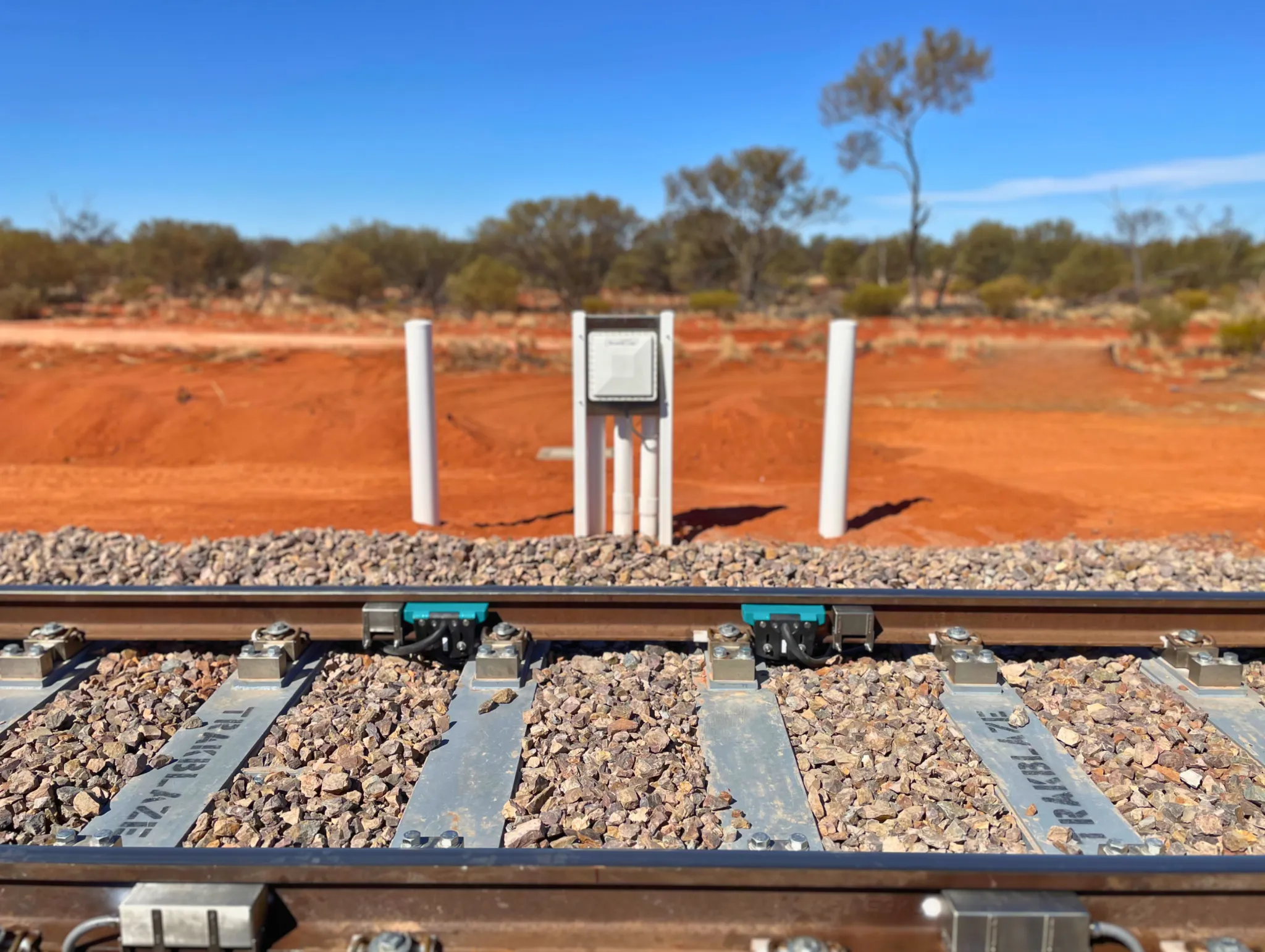
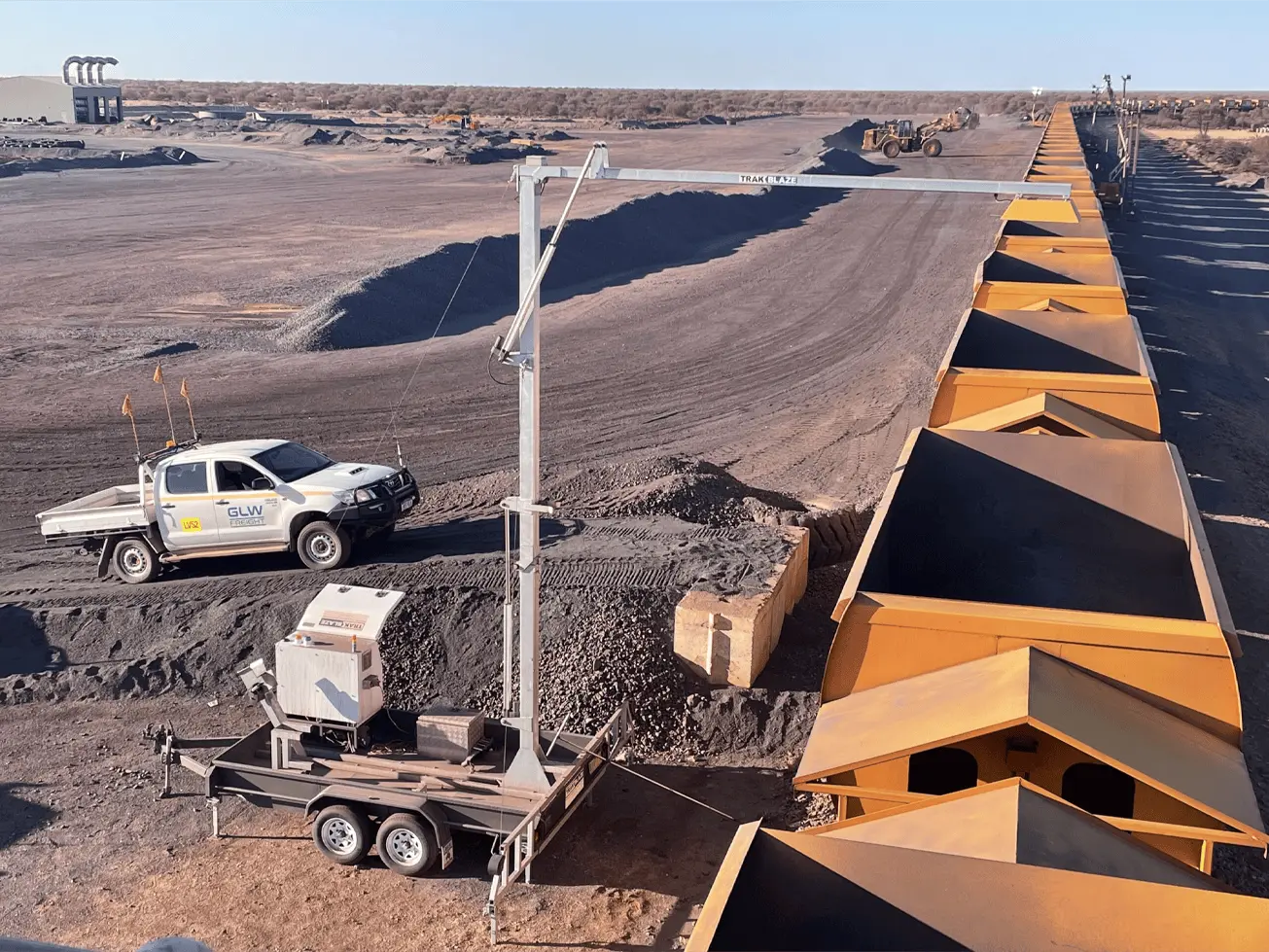
The Mobile Train Weigher (MTW), from Trakblaze, is a load-cell-based rail weighing system that measures train weight without requiring permanent infrastructure. It fits between the inner sides of conventional rails and uses a ramp to lift the wheel tyre just above the rail head during weighing. It can be installed by a two-person team in approximately 10–15 minutes.
Unlike fixed or in-ground weighbridges, the MTW requires no rail cutting, welding or construction work. It can be placed directly on the existing track and removed easily if no longer needed. This sets it apart from permanent systems that are fixed to a single location and require extensive installation.
Instead of functioning as infrastructure, the MTW works as a portable measurement tool. It allows rail operators, maintenance teams and engineers to bring the weighing system to the train rather than moving rolling stock to a specific weighing site.
How MTW Delivers Flexible, Accurate Rail Weighing Across Any Site
Here are the key MTW features that enable flexible, accurate rail weighing across any site:
Portable Design Enables Weighing at Any Location
MTW is lightweight and portable, so it can be transported in the boot of a car, a utility vehicle or a train cabin. Its design allows weighing to be carried out wherever rolling stock is located.
The system can be used at depots, sidings, workshops, mining sites and remote rail locations. It supports weighing across multiple rail networks, operates on battery power and offers optional wireless connectivity. This capability allows precise rail weighing even in places without direct access to power.
Accuracy and Easy Installation
The MTW functions as a rail-mounted weighing system that fits within the inner sides of most standard rails. It requires no cutting, welding or civil work during installation. This non-invasive method preserves the original track geometry and enables weighing without altering the existing rail infrastructure. Maintaining a stable track profile reduces measurement variability and ensures consistent results across locations.
The MTW is a highly accurate weighing system that offers ±0.5% accuracy in static weighing under good track conditions. It can be further scaled for higher accuracy and in-motion weighing.
Load-Cell-Based Measurement Ensures Reliable Weight Data
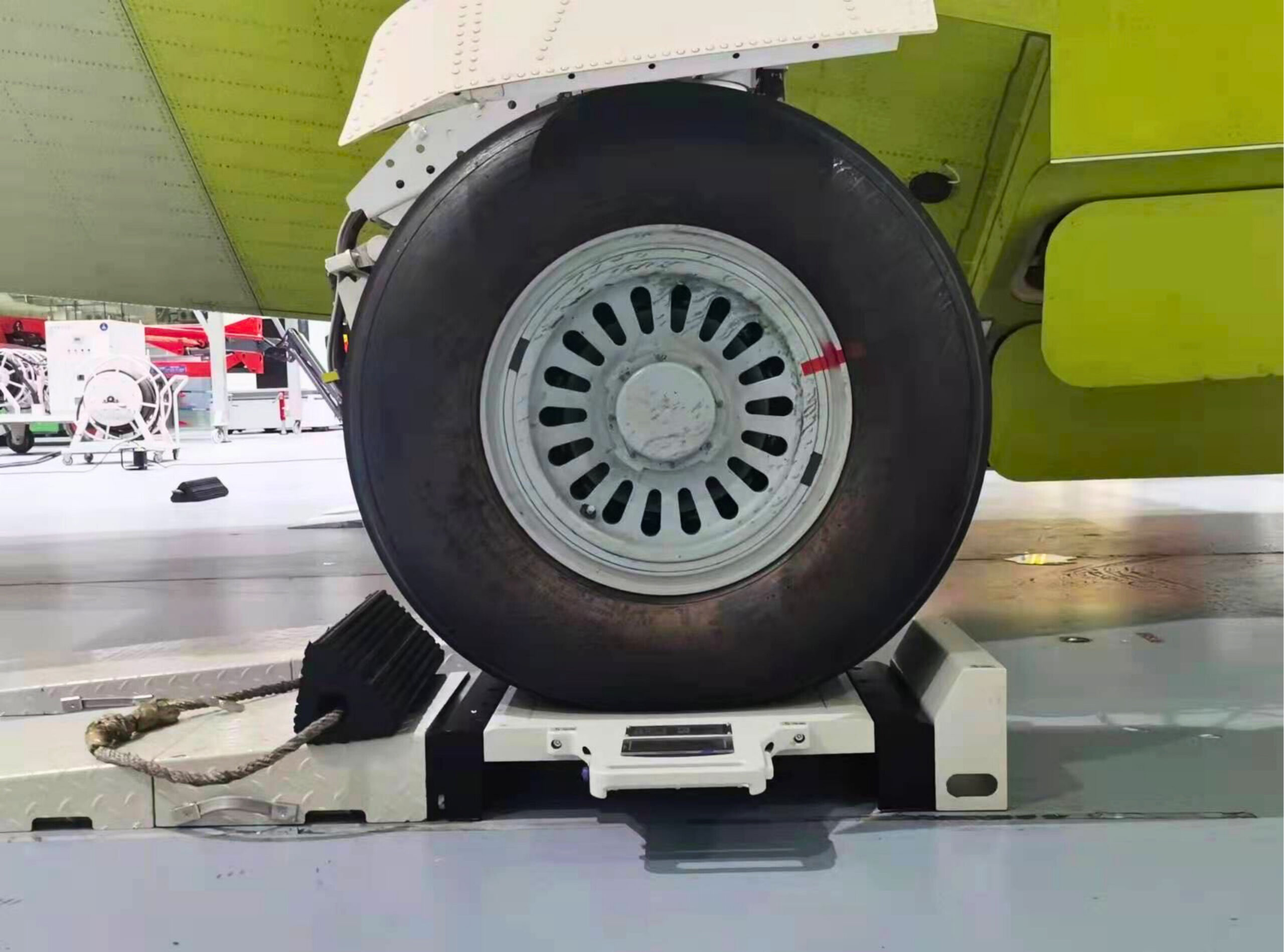
Using load-cell technology, the MTW accurately and consistently captures rail weight data. As the wheel flange rolls up the ramp, the wheel tyre lifts just above the rail head. This setup allows the load to be applied directly to precision load cells instead of being transmitted through the rail itself.
In this way, it supports reliable wheel load measurement, rail axle weighing, bogie weight measurement and total vehicle weight assessment.
Combined with precise linear calibration and weather-resistant equipment, the system provides consistent measurement results across different track conditions and operating environments.
Static and In-Motion Weighing Supports Different Operational Needs
Built to support both static rail weighing and in-motion train weighing, the MTW allows you to choose the best method based on your needs.
Static weighing is often used during inspections, maintenance and compliance checks when precise measurement is necessary. In-motion weighing allows you to verify train weight when you need to keep the workflow running.
This dual capability makes MTW a flexible rail weighing solution that fits various sites, schedules and operational needs without losing accuracy.
Even in motion, it achieves less than 1% accuracy in ideal conditions, enabling precise operational decisions.
Read More: The Difference Between Portable and Static Train Weighbridges
Immediate Decisions Through Real-Time Data
Weight data collected by the MTW is displayed in real time via its easy-to-use and user friendly PC software, enabling on-site train weight verification. Instant access reduces delays and enables timely operational reviews across locations. Results can be viewed on-screen or printed as needed.
By recording individual wheel, axle, bogie and total vehicle weights, the system supports balancing tasks and rail weight compliance requirements. Digital data can be stored, printed or downloaded directly via the software. This enables on-site decision-making without relying on central infrastructure or off-site analysis.
Scalability with MTW-MS Improves Accuracy at Higher Speeds
For applications requiring higher-speed weighing or enhanced precision, multiple MTW units can be combined into an MTW-MS configuration (2, 4, 6, 8 or more). Using additional measurement points reduces variation and improves accuracy during in-motion train weighing at higher speeds.
This flexible setup allows the rail weighing system to be adjusted based on site conditions, traffic levels and accuracy requirements. It also supports advanced applications like train balancing and centre-of-gravity assessment while maintaining the same non-invasive measurement method.
The MTW Mobile Train Weigher simplifies rail weighing with its portability, accuracy and ease of setup in real operating conditions. Its lightweight design, non-invasive installation, load-cell-based and static/in-motion systems make weighing reliable and efficient.
With the option to upgrade to the MTW-MS for greater speed and accuracy, the system provides a future-ready approach to rail weighing. The MTW and MTW-MS work together to support compliance, maintenance and operational decisions across various sites.
If your operations require accurate weighing across multiple locations or changing sites, check out Trakblaze. Our MTW and MTW-MS systems provide a proven way to support reliable rail weighing measurements. Speak with us today to ensure precise and hassle-free rail weighing across all your sites.
FAQs
Can mobile train weighers be used on all rail gauges?
Yes, the MTW is designed to accommodate all recognised rail gauges and fits most common rail sizes. With suitable rail shoes, it can be installed on existing tracks without modification, enabling accurate weighing across different rail networks.
Is MTW suitable for remote or off-grid locations?
The MTW is well-suited for remote or off-grid locations. It is battery-operated and can be deployed without fixed power or permanent infrastructure.
How does mobile weighing compare to fixed weighbridges?
Mobile weighing and fixed weighbridges serve different rail weighing requirements. Fixed weighbridges are well-suited to permanent locations where regular, high-throughput weighing is required. Mobile weighing, such as the MTW, provides additional flexibility by enabling accurate weighing at multiple or temporary locations with fast and convenient installation.
What level of accuracy can operators expect from the MTW in daily operations?
In daily operations, the MTW delivers high levels of accuracy under normal track conditions. Static weighing typically achieves ±0.5% accuracy, while in-motion weighing delivers around ±2–3% accuracy, depending on speed, track quality and operating conditions.