


At a glance
- MTW delivers fast, mobile weighing with no costly civil works, quick and easy to set up, making it ideal for field teams and multi-site operations.
- Trakmate provides precise static weighing and balancing for workshops that need consistent, high-accuracy maintenance control.
- Infinity LS/HS supports continuous low- and high-speed weighing, making it perfect for mining loadouts and high-volume rail networks.
- Choosing the right system depends on industry conditions, space, environmental conditions, and speed requirements.
Accurate rail weighing is an important consideration for ensuring safe and efficient rail operations. Mining loadouts, freight movements, and manufacturing facilities all require optimal load balancing and distribution to achieve performance, compliance, and asset longevity.
Selecting the right weighing system is not always straightforward. Different weighing solutions may be necessary depending on wagon type, movement speed, operational volume, and available installation space. Some sites need mobility, others require precision balancing, while high-volume networks rely on continuous weighing without slowing trains.
To meet these varied requirements, Trakblaze offers three specialised systems engineered for distinct rail environments: the MTW (Mobile Train Weigher), the Trakmate workshop weighbridge, and the Infinity low/high-speed WIM system.
In this blog, we break down how each one works, what it’s built for, and where it performs best. With that, you will get a clear idea of which rail weighing solutions suit your operations.
Understanding Trakblaze Rail Weighing Solutions
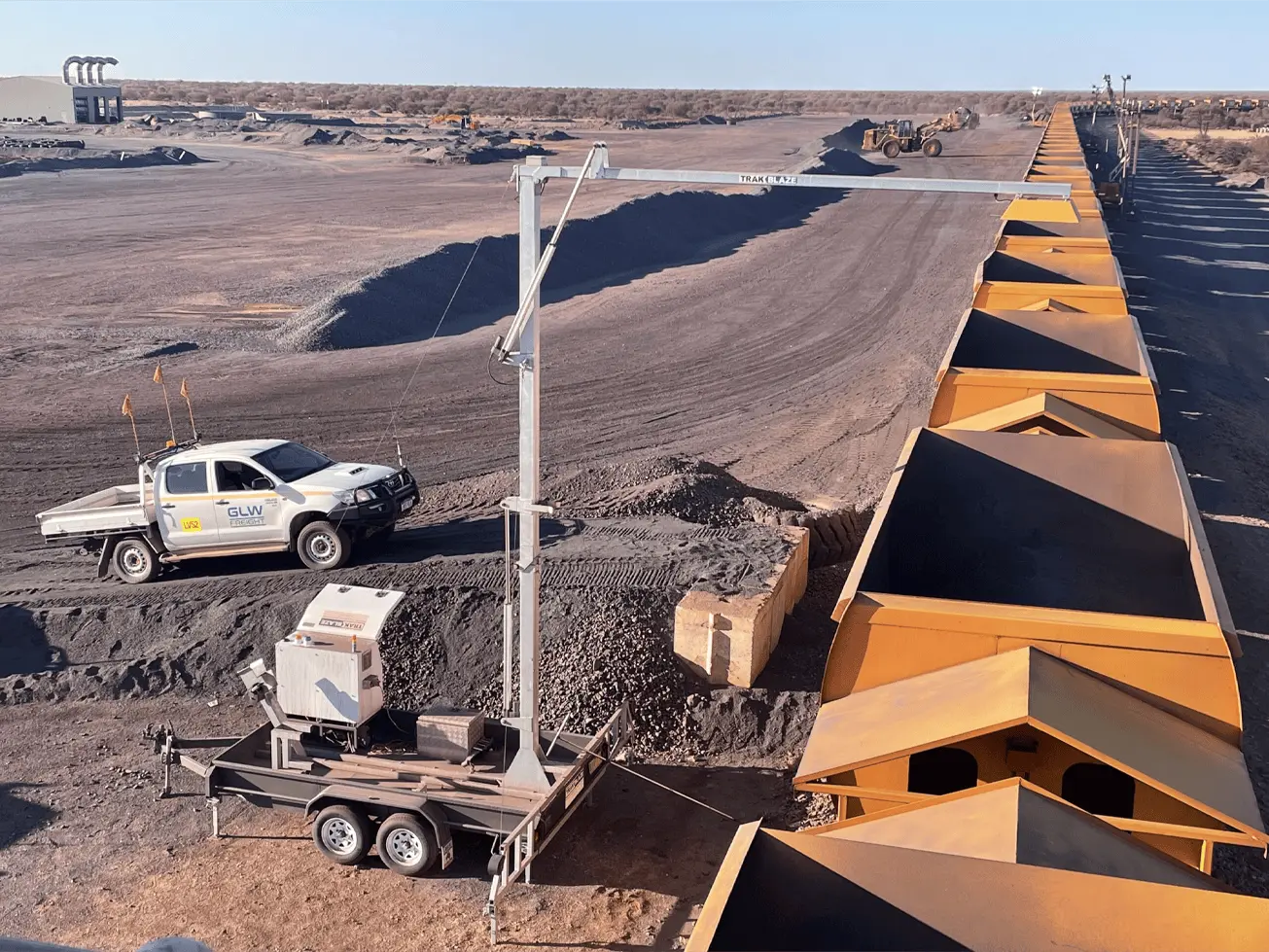
Mobile Train Weigher (MTW) is Trakblaze’s portable solution for both static and in-motion rail weighing. You can install it in just 10 to 15 minutes, with no need for rail cutting, welding, or labour, making it great for easy spot-checks and remote installation. For higher precision and faster measurement, it can be upgraded to the MTW-MS, which connects multiple units to increase accuracy.
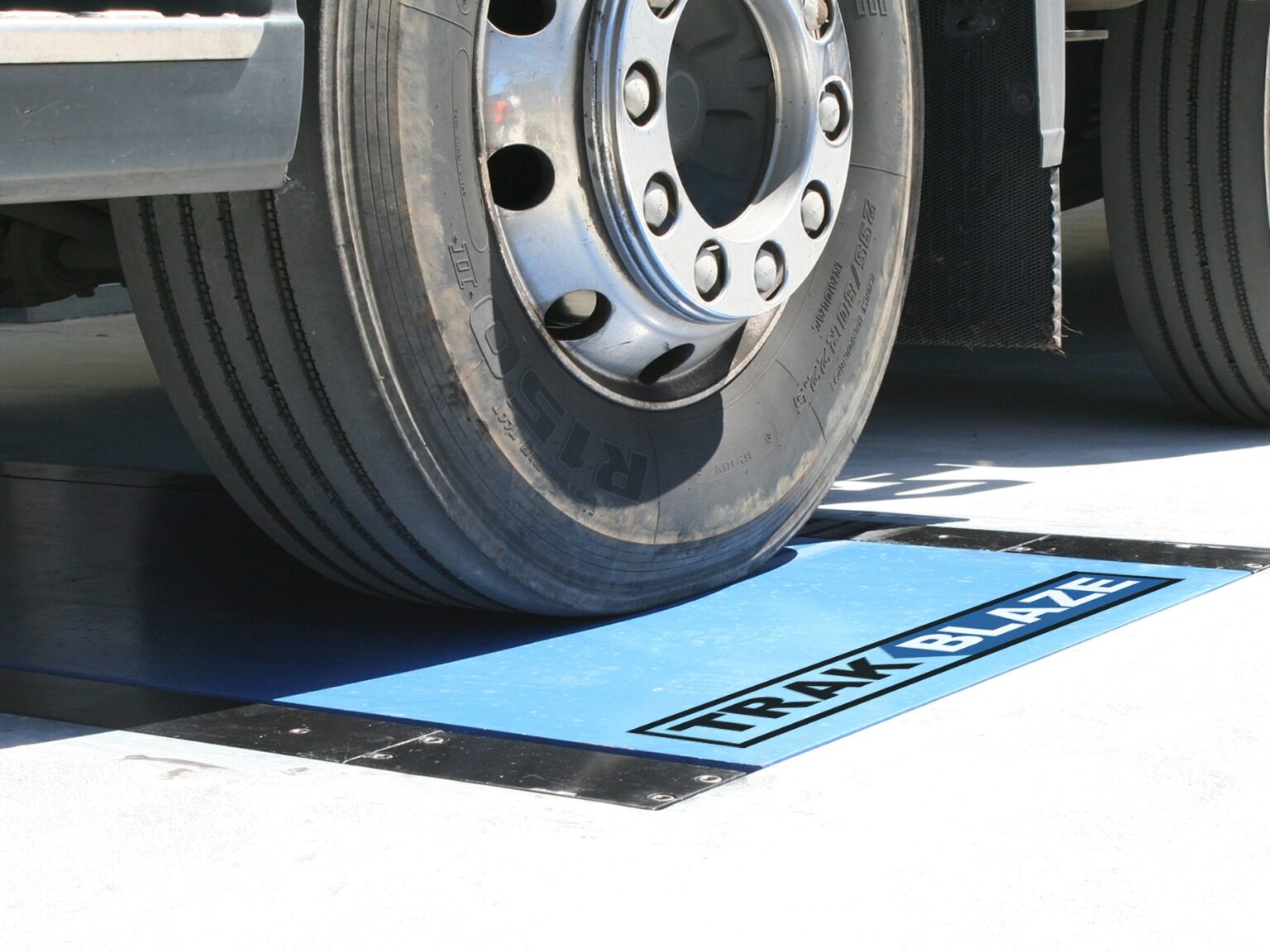
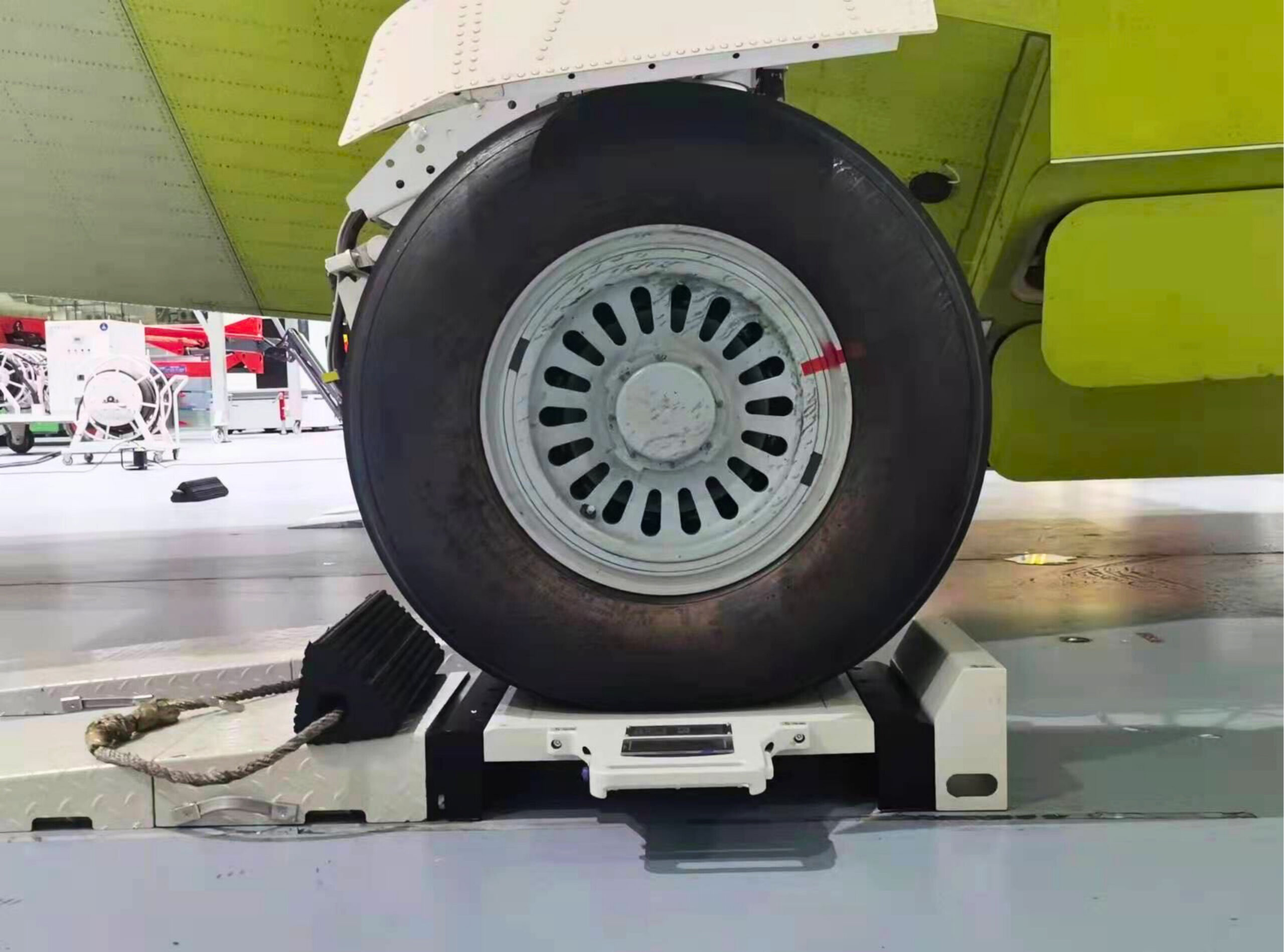
The Trakmate Rail Workshop Weighbridge is a heavy-duty, static weighing and balancing system, suitable for all rail vehicles. Its stable, workshop-based setup makes it ideal for consistent, repeatable maintenance. This solution prevents safety issues such as wheel flats and brake lock-ups.
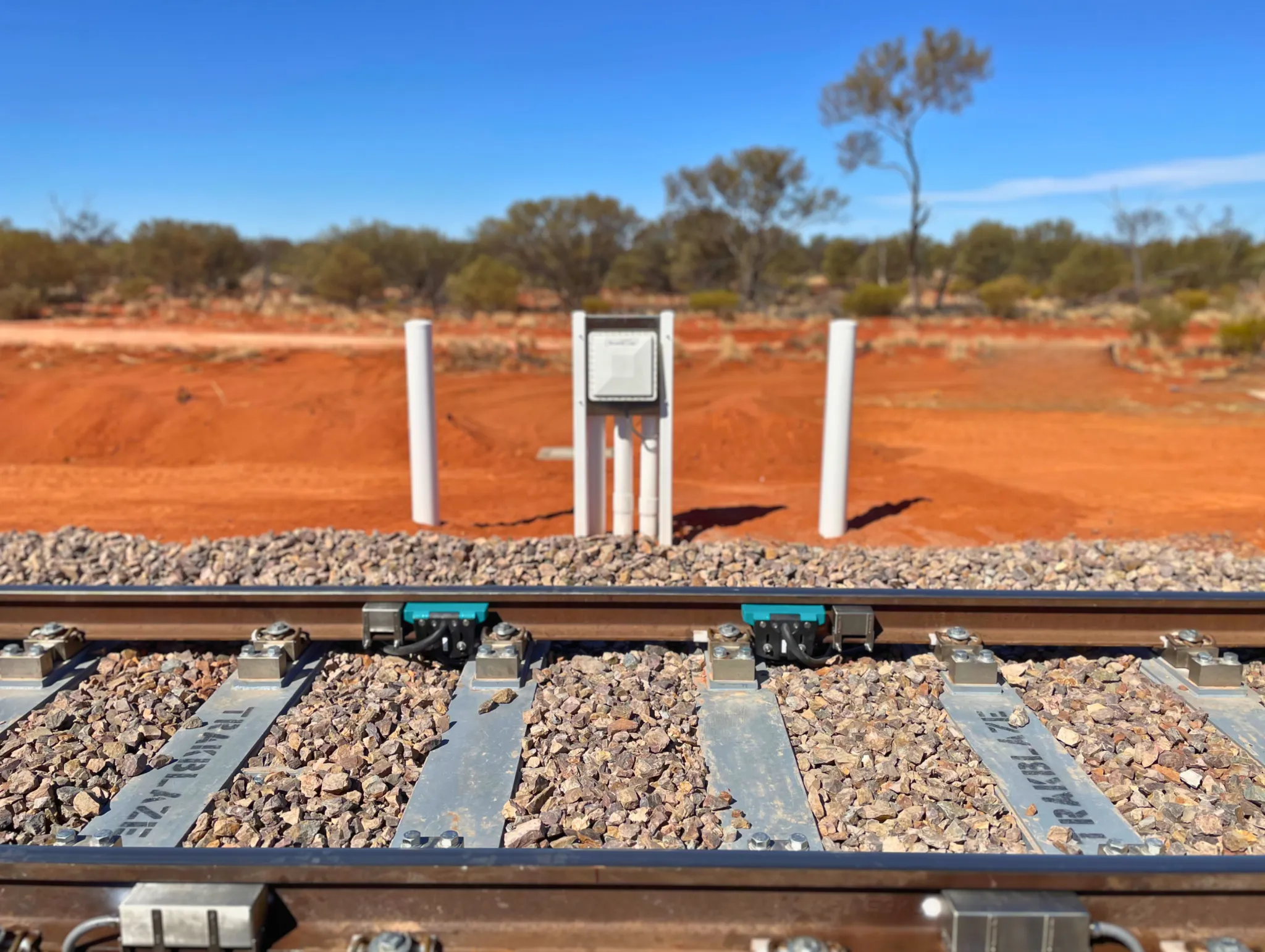
The Infinity Low/High Speed Train Weighbridge can be installed without cutting, welding, or grinding rails. It provides real-time, highly accurate data from 0.1 km/h to 80 km/h, and is useful for industrial plants, mining loadouts, and mainline rail networks. Thus, it supports continuous weighing even in demanding outdoor environments.
Comparison Table: MTW vs Trakmate vs Infinity
For a quick side-by-side look at how these systems differ, the table below lets you compare their core capabilities.
| Feature | MTW: Mobile Train Weigher | Trakmate: Workshop Weighbridge | Infinity: Low/High-Speed WIM |
| Installation and Mobility | Fully portable; 10–15 min setup; no costly civil works required | Fixed workshop installation | Rail-mounted; 1-3 day installation; no rail cutting/welding |
| Speed Capability | Static + low-speed in-motion; MTW-MS (multiple systems) for higher speeds | Static; optional low-speed in-motion | Low-speed up to 15 km/h; high-speed up to 80 km/h |
| Accuracy | ±0.5% (static); <1% (dynamic) in ideal conditions | High precision | ±0.25–0.5% total train accuracy |
| Best Environment | Field use, remote sites, maintenance checks | Rail manufacturing and maintenance workshops | Mines, loadouts, industrial plants, mainline networks |
| Data Capabilities | Real-time results, optional PC software, wireless | Maintenance-focused static and balance data | Advanced WIM software, remote monitoring, TCP/IP |
| Maintenance | Low maintenance; portable unit | Heavy-duty, workshop-grade durability | Quick 30-minute part replacement if required |
| Investment Level | Most cost-effective, flexible option | Mid-level workshop investment | Premium continuous or high-speed weighing system |
Which Rail Weighing Solution Best Fits Your Needs?
Choosing the right rail weighing system depends on your operational needs and site setup. Here’s a breakdown of which solution fits specific industry types, civil requirements, environmental conditions, and space limits.
Type of Industry and Operational Workflow
- MTW: The MTW suits rail operators, regulators, and field teams who need a portable system that can be carried from site to site. Its 10-15 minute setup makes it ideal for small networks or operations without dedicated workshop infrastructure.
- Trakmate: Designed for workshops and rolling stock manufacturers that depend on accurate static rail weighing and balancing in their maintenance or QA processes. It ensures vehicle stability and prevents issues such as wheel flats or brake lockups. This makes it a great choice for facilities that need consistent, controlled measurements.
- Infinity (LS/HS): Tailored for operations that require continuous, automated weighing as trains move through the site, including mining operations, industrial plants, and high-throughput freight corridors. With both low-speed and high-speed capabilities, it integrates seamlessly into any operational workflows that demands constant movement.
Civil Works Restrictions
- MTW: This solution can be installed in 10-15 minutes, requiring no costly civil works, rail modifications, or foundations. This makes it ideal for sidings, temporary project lines, and sites with strict approval requirements. It can be deployed anywhere a rail vehicle can be positioned. As a result, it offers complete flexibility in locations where infrastructure cannot be altered.
- Infinity: Installations are quick with no major civil work. It doesn’t require rail cutting, welding, or grinding, and can be completed within 2-3 days. This results in reduced downtime during installation.
- Trakmate: It requires more civil work compared to the other two for permanent workshop installation in controlled indoor environments. It is best suited to facilities that can dedicate an area to a fixed weighbridge and want an integrated solution for precision weighing.
Read more: The Difference Between Portable and Static Train Weighbridges
Environmental Conditions (Dust, Temperature, Vibration)
- MTW: It works effectively in various field environments, including remote areas, as long as the conditions are not too harsh. Its portability and battery choices make it flexible, but it is not meant for long-term exposure to heavy industrial dust or strong vibrations.
- Trakmate: Excels in indoor workshops where temperature, vibration, and dust levels can be controlled. This environment helps maintain high accuracy over time and ensures consistent measurements for static weighing and balancing tasks.
- Infinity: Engineered for heavy industrial and mining conditions, it operates reliably in environments with dust, vibration, and temperature changes. The tough design and proven load-cell technology allow continuous outdoor operation without sacrificing accuracy.
Read More: Importance of Balanced and Configured Loads for Efficient Rail Haulage
Speed Requirements
- MTW: Supports static and low-speed in-motion train weighing for simple checks and compliance verification. However, upgrading to MTW-MS enhances accuracy at moderate speeds and allows operators to weigh more efficiently.
- Trakmate: Designed for precise static weighing and balancing, it can be adjusted for low-speed in-motion use in certain workshop settings. Still, its main advantage is high-accuracy static measurements.
- Infinity: It is the solution designed for complete in-motion operations. It handles low-speed loadouts at speeds up to 15 km/h and high-speed weighing on mainline networks at speeds up to 80 km/h. Infinity works best in situations where train movement must continue uninterrupted.
Space Limitations and Track Layout
- MTW: Perfect for sites with very limited space or where fixed installations are not suitable. It can be positioned directly on any section of track and moved as needed. This design removes the need for foundations, dedicated bays, or structural modifications.
- Trakmate: Performs best in workshop bays or maintenance pits where operators have consistent access and a controlled layout. It requires a defined space that supports its static weighing platform and balancing workflow.
- Infinity: This system needs a special section of track to install weigh sleepers. It can handle both straight and curved tracks at low speeds. LS works well on curved tracks up to 5 km/h, and HS installations perform best on long straight sections for high-speed weighing.
Choosing the right rail weighing system depends on your operational workflow, available space, speed requirements, civil works constraints, and weighing frequency. Each site has different limits, and the best solution should fit smoothly into your site and improve efficiency.
MTW is perfect when you need mobility, quick setup, and no civil work, whereas Trakmate is the best choice for workshop environments that depend on precise balancing and maintenance accuracy. In contrast, Infinity (LS/HS) is best suited to high-volume sites that require continuous in-motion weighing with minimal operational disruption.
If you are looking for the right rail weighing system for your site, Trakblaze can help assess your needs and recommend the best fit. As a trusted rail weighing provider, we support operators across industries with reliable, accurate, and high-performance systems. Talk to us today to get a suitable rail weighing solution for your operation.
FAQs
What factors should I consider when selecting the installation location for a rail weighing system?
When selecting a location, consider site accessibility, available track space, and how trains move through the area. Check environmental conditions like dust, vibration, and temperature, and ensure the site meets regulatory and safety requirements.
How do rail weighing systems detect overloaded wagons in real time?
Rail weighing systems detect overloaded wagons by using sensors, such as load cells or strain gauges, embedded in the track or weigh sleepers. These sensors measure the forces on the wheels, axles, and wagons as the train moves by. The system compares the readings to set load limits and immediately flags any wagon that exceeds safe or allowed weight limits.
What type of training is required for operators to use each system effectively?
MTW users learn portable installation steps and basic software use. Trakmate operators are trained in static weighing, balancing procedures, and workshop workflows. Infinity systems require training on in-motion monitoring, data integration, and routine maintenance checks to ensure accurate operation.