

At a glance
- Ground stability, drainage, traffic flow and environmental exposure influence how reliably a weighbridge performs over time.
- Proper civil planning helps maintain structural alignment and supports consistent weight readings.
- High vehicle volume, driving behaviour and climate conditions can gradually impact weighbridge performance.
- Addressing site risks from the start helps maintain long-term accuracy and reduce recalibration needs.
A vehicle weighing system may be precisely calibrated at installation, but it can lose accuracy over time if the surrounding site is not properly configured. Uneven ground, poor drainage and unpredictable vehicle movement can introduce stress that impacts weight measurement. Maintaining weighbridge performance depends as much on site conditions as on the technology itself.
Rather than the equipment itself, many accuracy problems occur due to poor foundation preparation, inadequate water management, improper traffic flow design and environmental exposure. These factors can affect alignment, load distribution and structural stability. Recognising these risks early can help avoid unnecessary recalibration and operational downtime.
This blog explores key site conditions that can affect long-term weighbridge accuracy and highlights how early planning can improve reliability and performance.
What Site Conditions Can Compromise Long-Term Weighbridge Accuracy?
Even small oversights in weighbridge installation site conditions can gradually impact system performance. Therefore, it is important to understand where accuracy risks typically begin.
Foundation Stability and Ground Preparation
The behaviour of the ground is crucial in determining how forces are transmitted through a weighbridge structure. Soil composition, compaction and underlying movement all affect whether weight is distributed evenly across the platform. When designing a weighbridge foundation, it is essential to consider all factors, as small shifts beneath the structure can occur. This can affect the structural alignment of the weighbridge and influence how loads are distributed and measured over time.
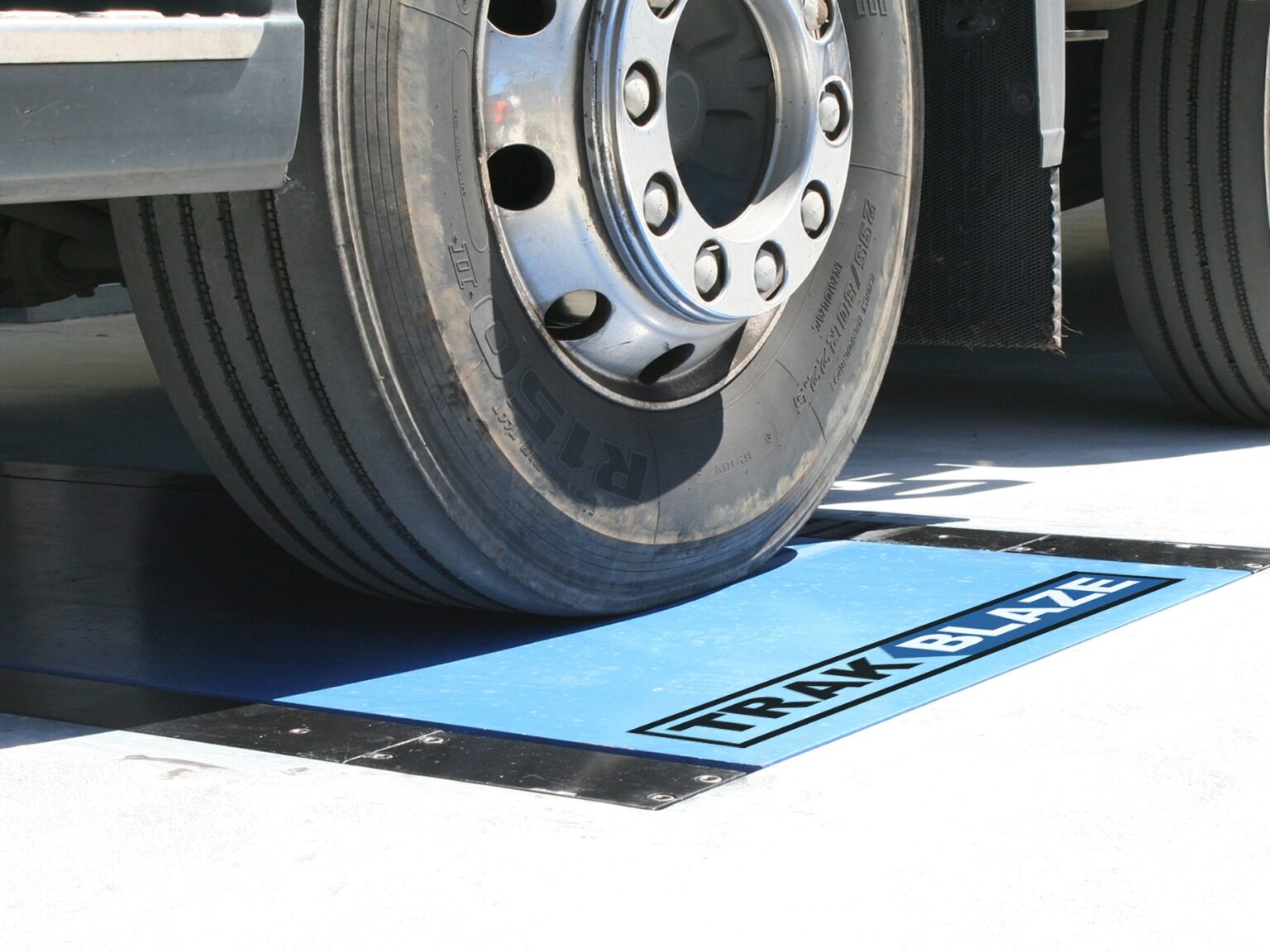
Changes below the surface often occur slowly and can be hard to notice at first. Settlement, cracking or uneven support may place additional strain on load cells. This gradual strain can affect load cell accuracy and reduce the overall performance of the industrial weighbridge.
Meeting the right civil requirements for the weighbridge from the start is essential for maintaining stability. This approach also lowers the chances of encountering repeated recalibration issues caused by foundation movement.
Drainage and Water Ingress
Water does not need to be visible to cause long-term damage. If the grading is incorrect or the drainage around the weighbridge platform area is poorly designed, moisture can accumulate around the foundation. This can weaken the ground and lead to subtle shifts that affect measurement accuracy. Over time, these shifts can disrupt weighbridge calibration, particularly in areas with heavy rainfall or fluctuating ground moisture.
In addition to structural issues, water ingress can affect the reliability of electronic components. Moisture exposure increases the risk of corrosion, electrical interference and gradual degradation within junction boxes or cabling.
Designing effective drainage solutions during installation is crucial because it helps maintain stable site conditions and protects sensitive components from environmental stress.
Read More: Why Site Drainage is Essential for Accurate Weighing
Approach Design and Vehicle Alignment
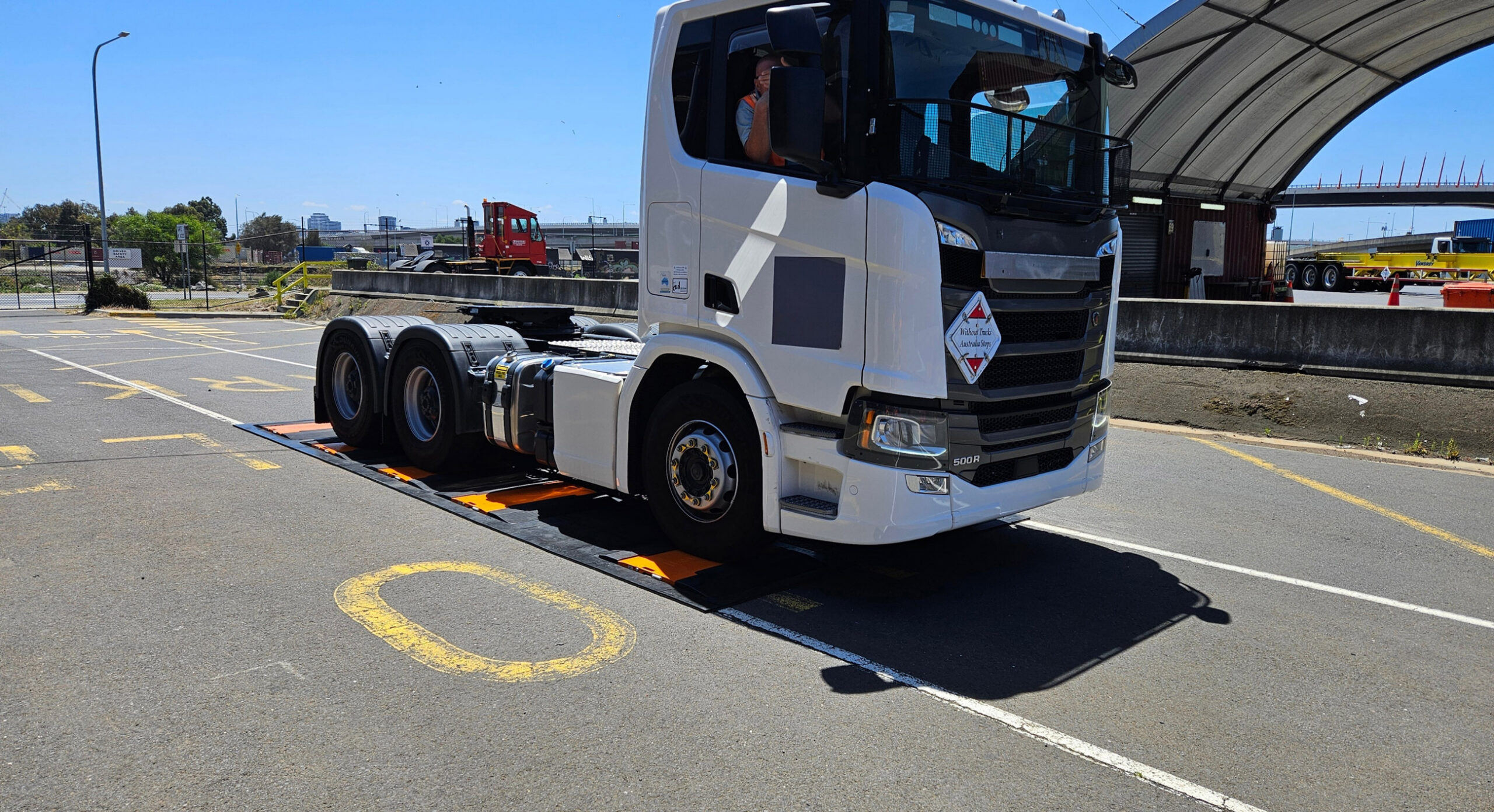
The way a vehicle is positioned on a weighbridge can influence the accuracy of weight measurement. When the surfaces are poorly aligned with the deck, the vehicle may enter at an angle, which creates uneven force distribution across the platform. When site surfaces are properly aligned with the weighbridge deck, vehicle loads are distributed evenly across the platform, enabling all load cells to measure weight accurately.
Operational movement introduces additional stress factors. Vehicles that brake suddenly, accelerate prematurely or shift position on the deck can create pressure changes that disrupt the structural alignment of the weighbridge. Straight and level approaches, along with controlled departure lanes, ensure consistent vehicle positioning.
Traffic Volume and Operational Load Patterns
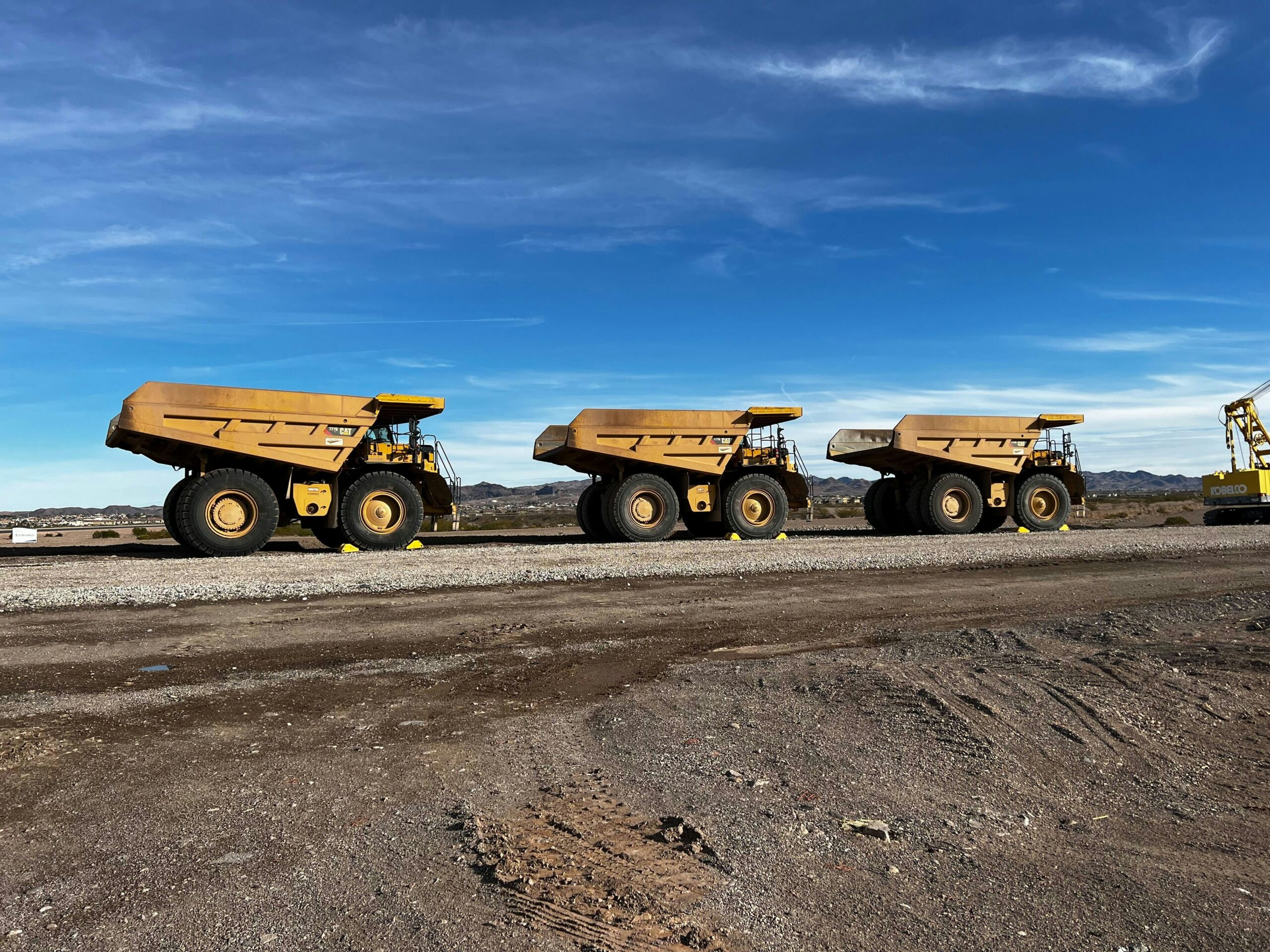
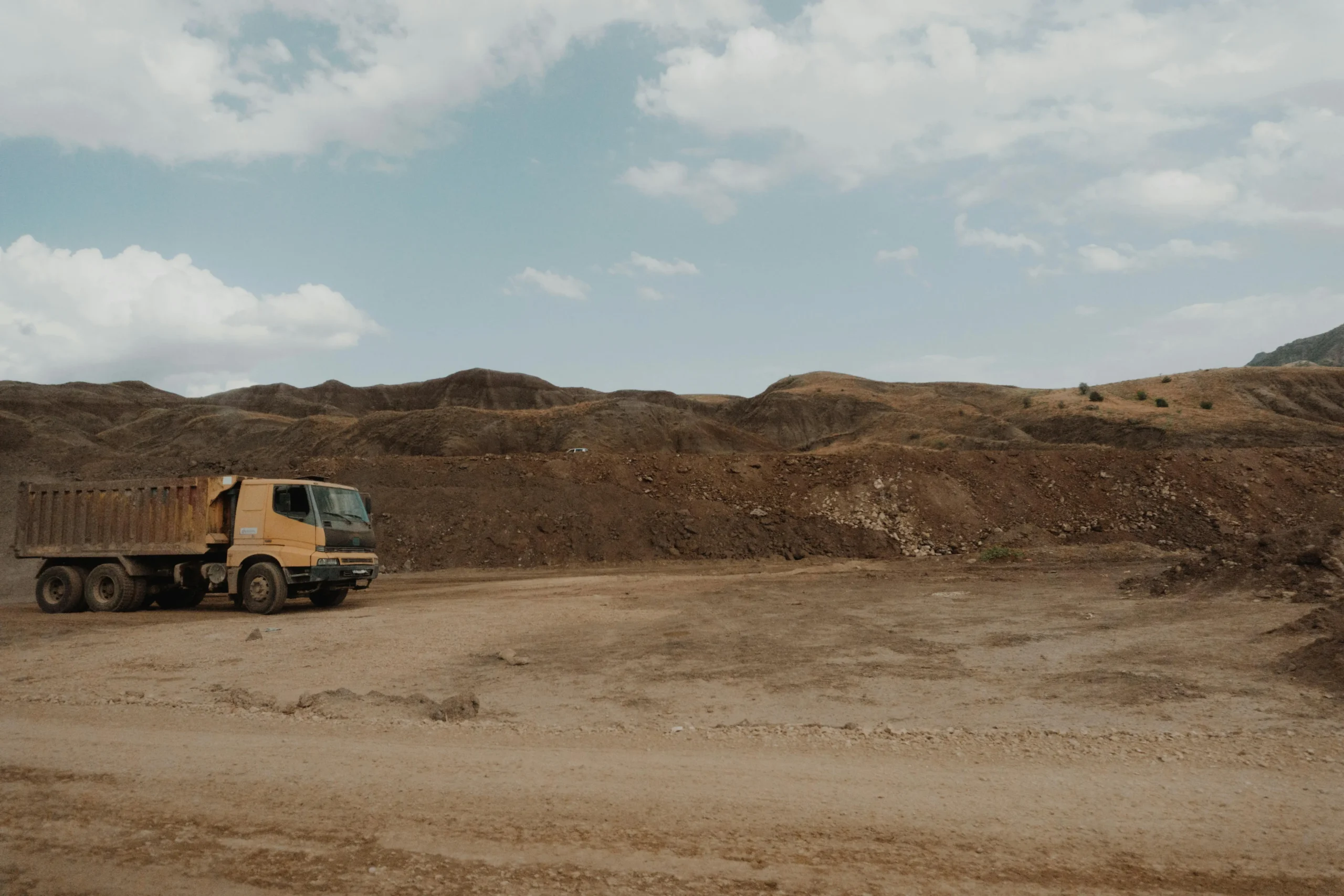
Sites with continuous heavy vehicle movement face unique accuracy challenges. Repeated loading cycles can gradually cause mechanical fatigue within the structure, affecting long-term weighbridge performance if not addressed during planning. Constant traffic can also cause gradual wear in surrounding surfaces and structures, leading to small shifts that influence weighbridge readings.
Similarly, sudden braking, aggressive driving or inconsistent vehicle positioning can create shock loads that disturb structural balance. For this reason, it is important to design layouts that reflect realistic traffic patterns, including safe approach and departure lanes. This helps minimise unnecessary stress on the weighbridge and supports more consistent readings over time.
Environmental Exposure and Climate Conditions
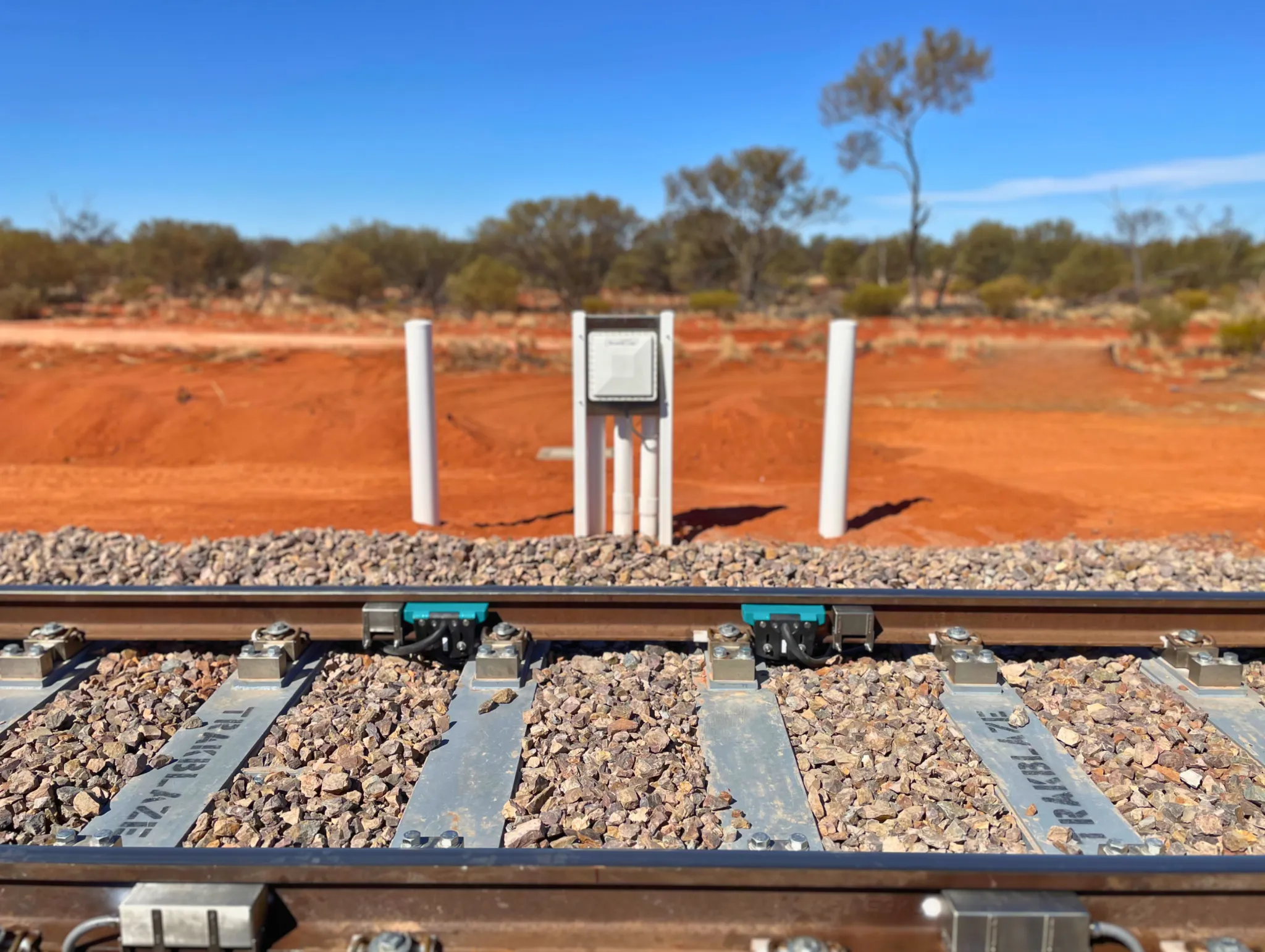
Weighbridges are directly affected by varying weather conditions, especially those installed outdoors. Temperature variation can gradually expand and contract the system’s steel and concrete components. These changes are not noticed instantly; they accumulate gradually, disrupting weighbridge alignment, calibration and accuracy.
Additionally, dust, debris and material accumulation beneath the deck can disrupt its natural movement, making it hard for the weighbridge to settle correctly under load. Nearby machinery vibrations or strong winds can introduce additional forces on the weighbridge, especially in open industrial environments.
Installation Quality and Site Commissioning
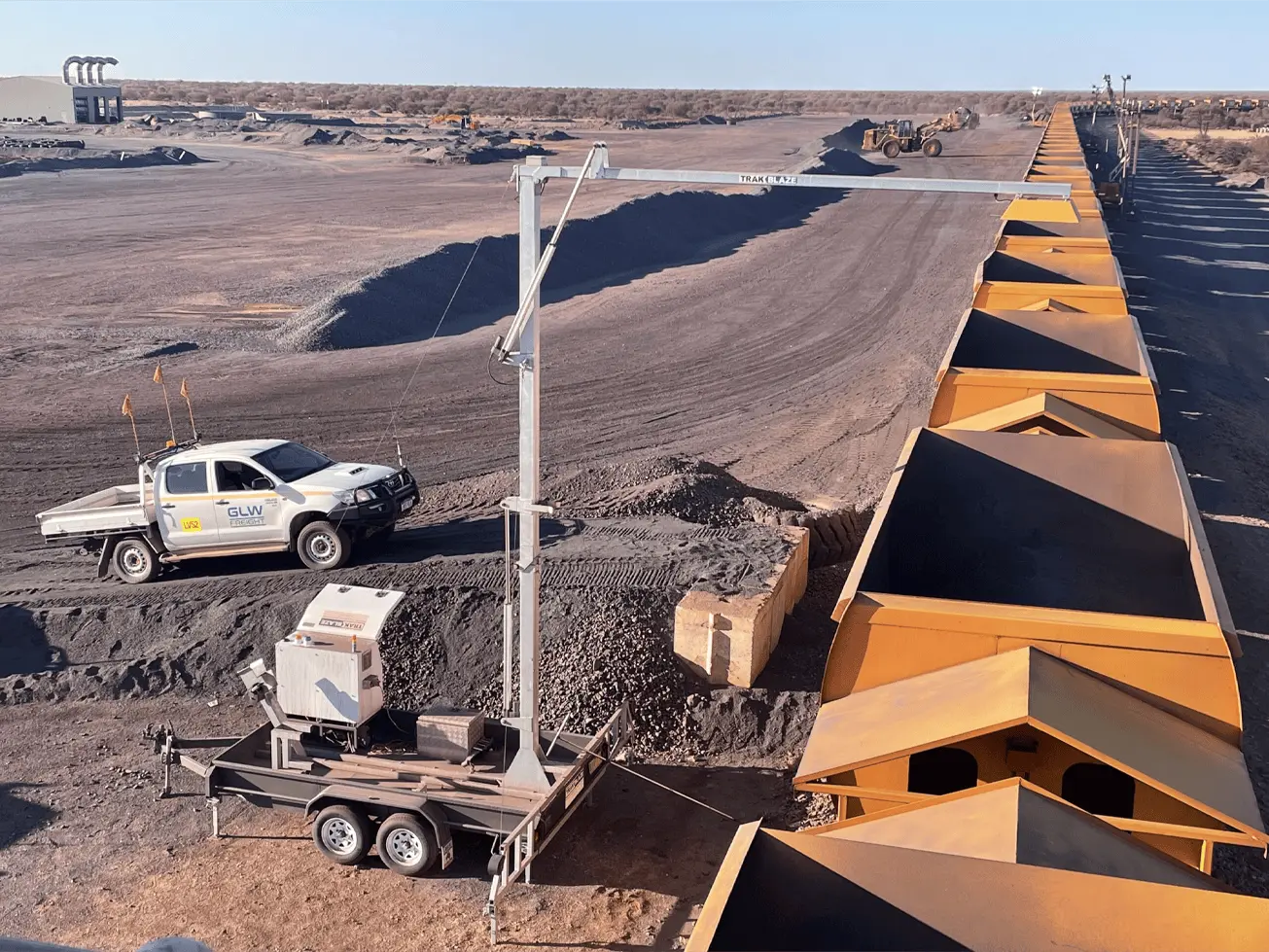
The foundation of reliable accuracy lies in the proper installation and setup of the weighbridge. Proper levelling, correct load cell positioning and attention to weighbridge civil needs help ensure the system begins with proper structural balance. Minor errors during installation can cause alignment issues that become more apparent as you start weighing freight vehicles regularly.
Complete commissioning processes are also crucial for maintaining long-term performance. Verifying alignment, testing load distribution and confirming system performance helps identify risks before they lead to accuracy issues. Installing vehicle weighing systems through a reliable weighing system provider ensures site conditions are properly assessed and that the system performs reliably from day one.
Read More: How to Choose the Right Trakblaze Weighing Solution for Your Industry
Why Proper Foundation and Approach Design Matter in Weighbridge Accuracy?
Getting the civil design right from the start not only prevents issues but also helps maintain consistent weighbridge performance throughout its lifespan. The following factors explain why early design choices make such a measurable difference:
- Supports Long-Term Structural Alignment: Early planning influences how the structure settles and responds to daily use over time. When alignment is considered from the start, the platform maintains a more stable position under varying loads, which helps preserve consistent weighing behaviour.
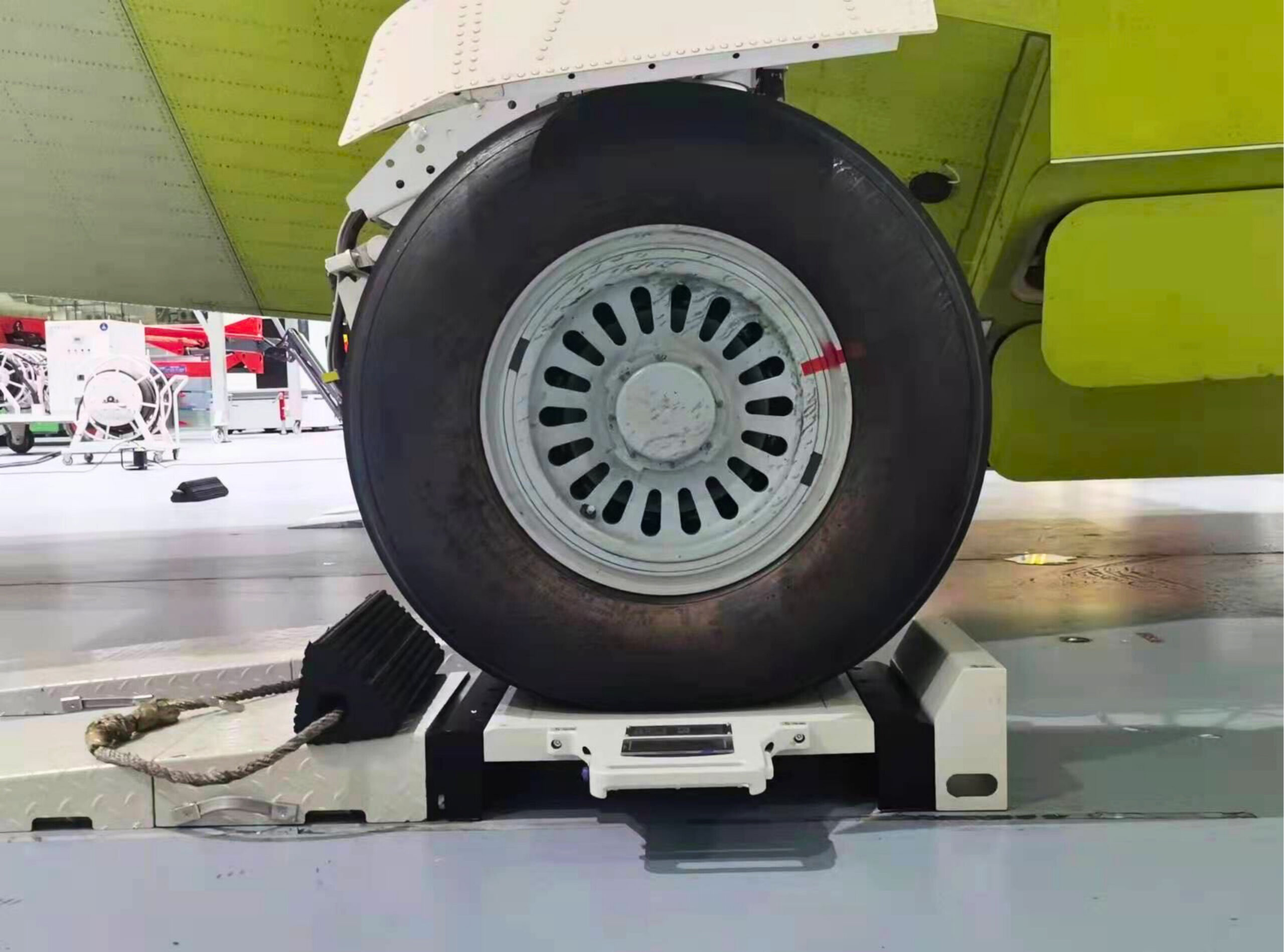
- Protects Load Cell Performance Over Time: Load cells perform best when forces are distributed evenly across the deck. Careful foundation design and clear entry positioning help lower uneven stress patterns that can gradually affect sensor response. Early design choices prevent performance issues and keep measurement components within their intended range.
- Minimises Future Civil Modifications and Disruptions: Allowing enough space, planning traffic flow and accounting for future changes can prevent the need for costly structural adjustments. A well-considered design helps avoid interruptions that can slow productivity or require temporary shutdowns.
- Reduces Lifetime Ownership Costs: Stable site design helps maintain consistent performance, which means fewer service interruptions and less frequent recalibration. Over time, these efficiencies translate into lower maintenance demands and a more reliable weighing asset.
Long-term weighbridge accuracy is rarely determined by calibration alone. The surrounding site, including foundation stability, drainage, vehicle movement and environmental exposure, plays a significant role in how reliably weight is measured over time. Careful planning of these conditions maintains structural alignment and supports consistent industrial weighbridge functionality long after installation.
Designing sites with a long-term perspective helps reduce recalibration, minimises disruption and maintains confidence in daily data usage. Thoughtful civil planning and effective layout designs create a stable weighing environment. This approach delivers reliable results as operations expand, maintaining consistency throughout the system’s lifespan.
If you are planning a new installation or reviewing your current setup, partnering with a leading weighbridge solutions provider can make all the difference. Trakblaze helps assess site conditions early and deliver weighing solutions designed for long-term accuracy, reliability and performance.
Contact our team to ensure your weighbridge is built on the right foundation from day one.
FAQs
How often should a weighbridge be checked for accuracy after installation?
A weighbridge should typically be inspected and verified for accuracy at least once a year or more frequently on high-traffic sites. Additional checks are recommended after major weather events, civil modifications, site relocation or if readings become inconsistent.
What factors should you evaluate before installing an industrial weighing system?
Before investing, consider the site environment, expected vehicle volume, foundation requirements and how the system will integrate with daily operations. Learn more in our related guide: What to Consider Before Investing in Industrial Weighing Scales.
What early warning signs indicate a weighbridge may be losing accuracy over time?
Inconsistent weight readings, frequent recalibration needs, uneven platform movement, visible foundation cracks or drainage issues around the site are indications of a weighbridge that’s losing accuracy.
What site condition checks should be completed before a weighbridge goes live?
Before commissioning, check foundation stability, surface levelling, drainage performance, approach alignment and load cell positioning. Check out our blog on the weighbridge installation checklist before going live.