


At a glance
- Rail weighbridges prevent overloads and uneven loads, protecting rails, sleepers, bridges, and other high-stress components.
- Accurate weighing improves safety by reducing derailment risks, maintaining track geometry, and keeping axle loads within limits.
- Continuous load monitoring supports predictive maintenance and extends the lifespan of key rail assets.
- Assess site conditions, traffic flow, weighing methods, and capacity needs before installing a rail weighbridge to ensure accurate, reliable performance.
Rail operators in mining, agriculture, construction, and manufacturing face increasing pressure to keep rail movement safe, efficient, and cost-effective. But if wagons run overweight or carry uneven loads, it increases strain on rails, sleepers, wheels, and brakes, and raises the risk of derailments.
That’s why precise weight control is essential for modern rail operations. Rail weighbridges provide accurate weight data that keeps loads safe and the network running smoothly. This results in reduced downtime, more predictable operations, and fewer safety incidents.
In this article, we’ll explore the risks of overloading, how rail weighbridges protect infrastructure, and what operators should consider before installing a system.
Risks of Running Overloaded Trains on Rail Networks
Overloading trains puts the entire rail network at risk. Here are the major risks it can cause:
- Excessive stress on rails and sleepers: Overloaded wagons place greater stress on rails and sleepers than they are designed to withstand. It causes cracks, bends, and wear across the track earlier, resulting in expensive track repairs.
- Damage to turnouts, bridges, and switch points: Heavy loads subject high-stress components to excessive force that weakens structural elements bit by bit. Over time, the integrity of turnouts, bridges, and switch points steadily declines.
- Higher maintenance costs and service disruptions: When trains operate overweight, rail deterioration accelerates across the network. Components break down sooner, leading to more frequent shutdowns for repair work. As a result, it affects schedules and causes delays that spread through every linked route.
- Reduced lifespan of locomotives and wagons: Excess load strains every moving part, including couplers, brakes, wheels, and bearings. The added stress wears out these components much earlier than expected. This decreases reliability, and equipment needs to be replaced more often.
Read More: Why Overloaded Road & Rail Vehicles Are Dangerous And How To Avoid Them?
How Rail Weighbridges Maintain Safe Loads and Preserve Rail Infrastructure
Accurate rail weighing plays a direct role in keeping loads safe and reducing avoidable strain across busy rail corridors. Here’s how it helps:
Accurate Weight Measurement Keeps Wagons Within Safe Limits
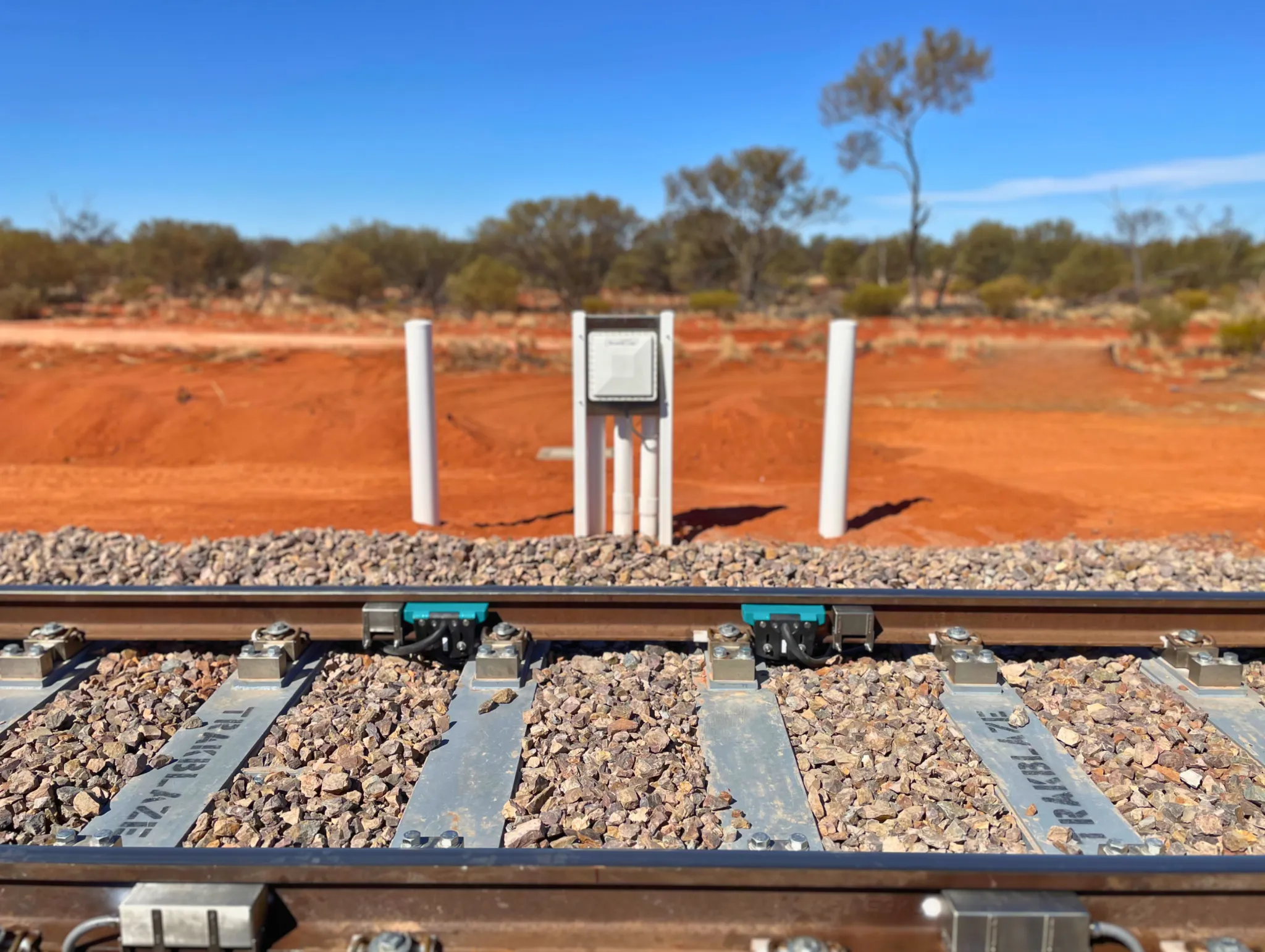
Rail weighbridge systems provide accurate wagon and axle readings before dispatch, allowing operators to spot overloads early. With accurate loads, rail networks can avoid the safety risks of overloading in rail freight and maintain complete control over axle load limits. This accuracy in rail weighing stops excessive forces from impacting the track structure and keeps operations within safe levels.
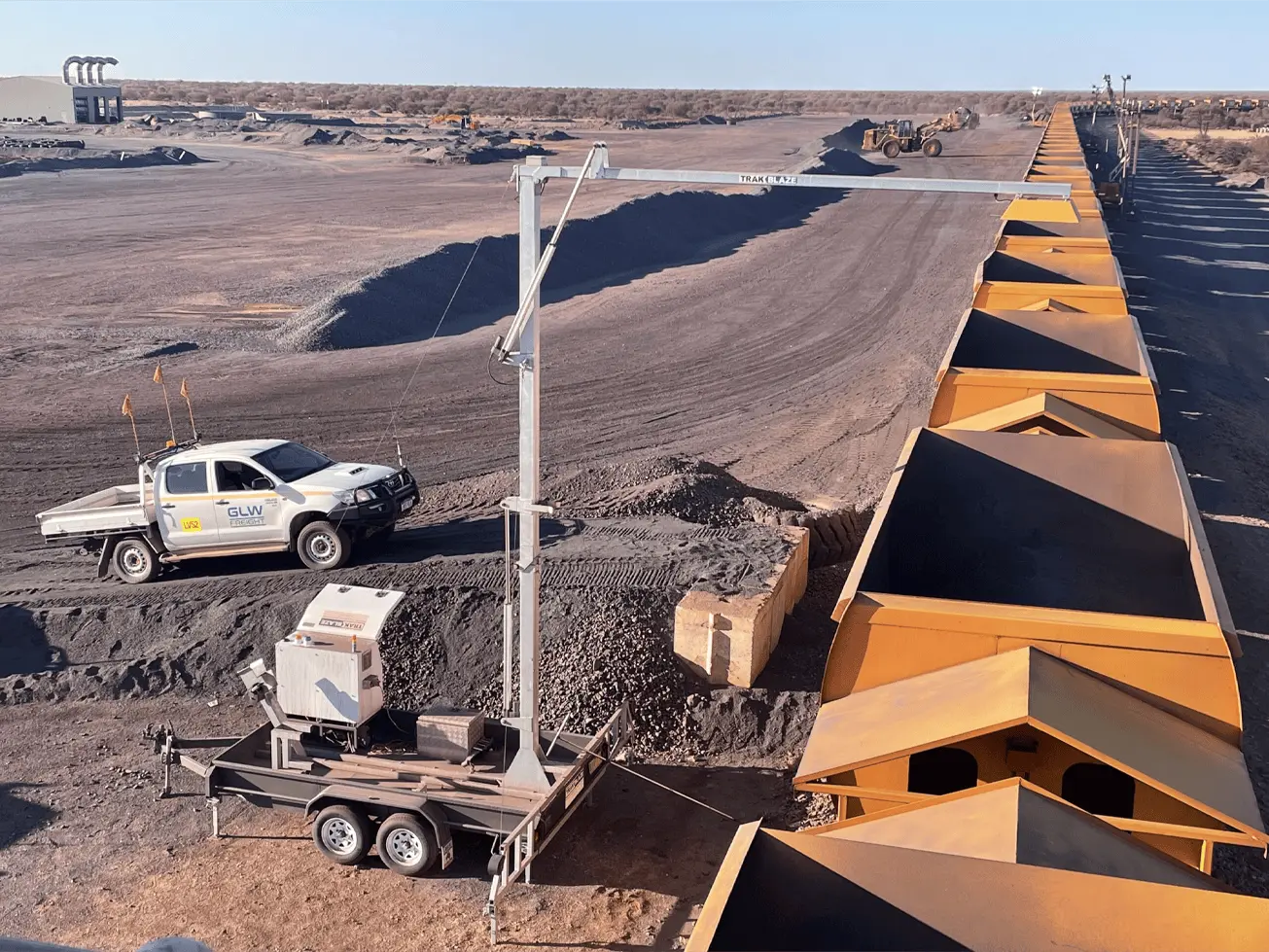
Because wagons are kept within their defined limits, stress on rails, sleepers, and ballast is significantly reduced. Consistent weight data also strengthens rail load management practices across large fleets and mixed consist types. Operators needing portable compliance checks can use the Mobile Train Weigher (MTW), which can be installed anywhere on the track to get accurate wagon weights.
Uneven Load Detection Prevents Derailment Risks
Rail weighbridges also help identify uneven load distribution. They can detect left-right or front-back imbalances that may not be visible through total weight alone. This matters because load distribution in rail freight directly affects stability when navigating curves or turnouts. Spotting imbalances through axle load monitoring helps prevent dangerous weight variations that increase derailment risk.
It also helps maintain proper track geometry, which is essential for preventing derailments through effective load monitoring. When operators adjust loads based on accurate readings, they maintain safer, more predictable wagon behaviour.
Weight-Limit Enforcement Protects High-Stress Rail Components
By keeping heavy wagons within approved limits, rail weighbridges prevent excessive force from damaging vulnerable assets. Bridges, turnouts, and level crossings constantly endure pressure, and overloads push them beyond their designed capacity. That’s why strict weight enforcement is essential for rail network safety.
When loads are kept in check, these high-stress components maintain their strength for longer. Emergency repairs decline, unexpected failures become less frequent, and maintenance teams can schedule work proactively.
Load Data Enables Safer Train Assembly and Wagon Sequencing
The weight data collected from rail weighbridges shows how to arrange wagons within a train. Placing heavier wagons in the best positions reduces strain on locomotives, braking systems, and drawgear. This improves train handling, especially during acceleration, braking, and gradient changes.
With accurate rail weighing informing assembly decisions, operators achieve smoother running behaviour and avoid unnecessary stress on high-impact areas of the corridor. This forms a key part of how rail weighbridges prevent rail damage and strengthen overall rail load management.
Continuous Weight Monitoring Supports Predictive Maintenance
Ongoing weight records from rail load monitoring solutions feed directly into asset management and maintenance planning systems. These datasets help teams spot recurring overloading patterns or seasonal changes in freight characteristics. When this information is tracked over time, it becomes easier to predict where the infrastructure might wear out faster.
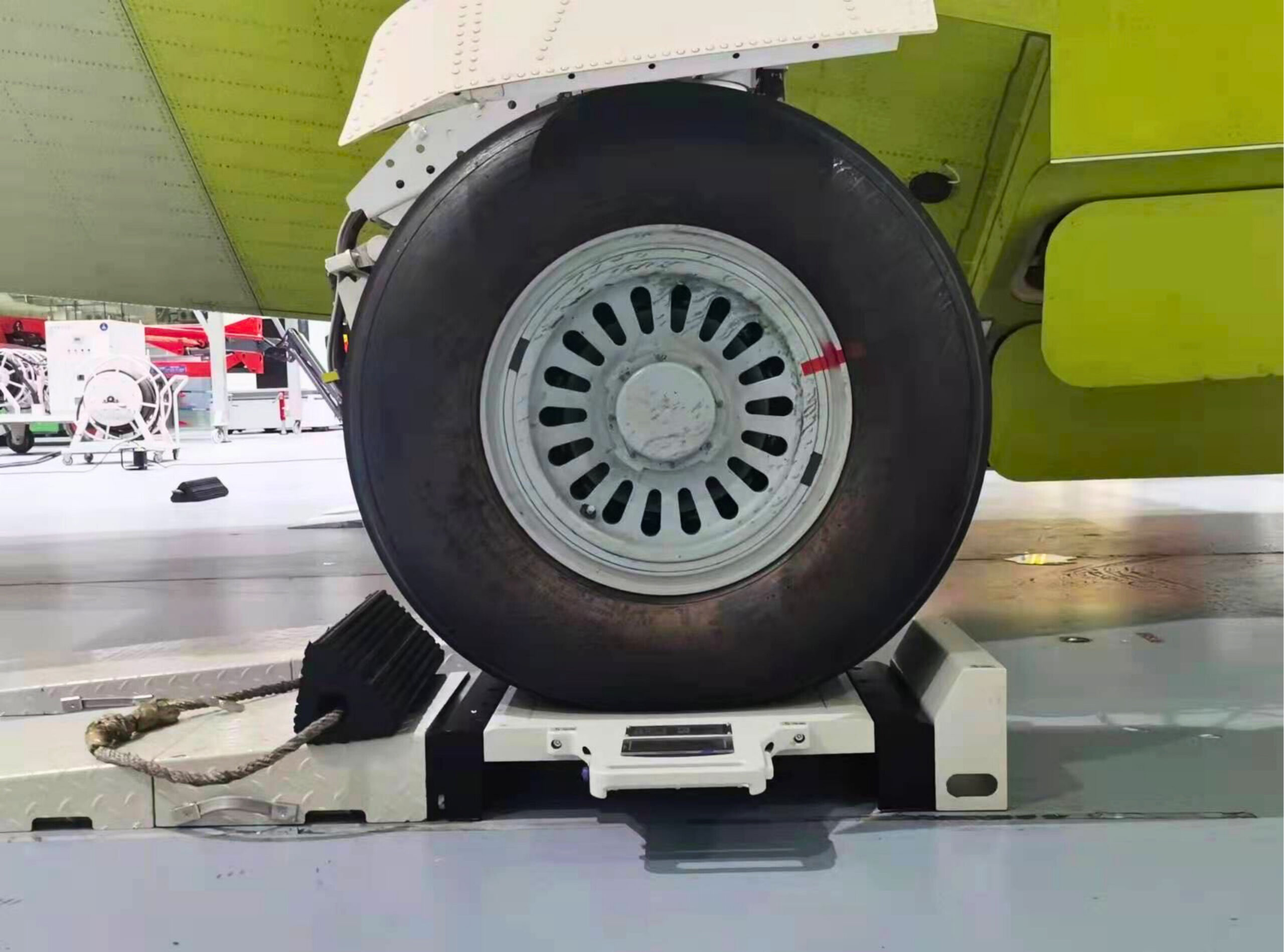
For workshop teams, this real-time visibility is reinforced by systems like TRAKMATE, a dedicated rail workshop weighbridge that provides precise static measurements and diagnostic support.
This level of monitoring supports predictive maintenance by forecasting when rails, sleepers, and rolling stock components will need attention. Rail operators can intervene before minor wear becomes costly structural damage. That way, it protects long-term rail assets and improves network sustainability.
What to Consider Before Installing a Rail Weighbridge System
Installing a rail weighbridge requires careful planning to ensure the system performs reliably and integrates smoothly. Here are some of the key factors to consider for a successful installation.
- Location and Ground Conditions: Site conditions strongly influence stability and accuracy. Soil strength, drainage performance, and track alignment must be assessed before installation. Make sure to choose a spot that allows easy maintenance access without disrupting traffic.
- Traffic Flow and Available Space: The movement patterns in your yard determine where the weighbridge should be located. Train length, approach and exit distance, and the overall yard layout affect how well wagons can move through. Positioning the system in a clear, open path keeps operations running smoothly.
- Choice of Weighing Method (Static vs In-Motion): Static systems offer high precision but require trains to stop, while in-motion technology suits high-frequency networks that can’t afford delays. The choice ultimately comes down to speed and accuracy requirements in your environment. For networks that require both high accuracy and uninterrupted traffic, INFINITY Low/High Speed Train Weighbridge offers an advanced in-motion solution suitable for a wide range of rail environments.
- Required Capacity and Accuracy Levels: Consider the maximum wagon load, axle load limits, and overall train weight to determine the right capacity. The results must also align with regulatory requirements and freight types, ensuring the system meets compliance and operational requirements.
Read More: How Do You Know Which Rail Scale Is Most Applicable To You?
As freight volumes grow and operational demands increase, reliable weight control becomes even more critical. Rail weighing provides an accurate vehicle reading, so you can ensure they are operating within safe, compliant limits.
With accurate load measurements, strain on wagon components and rail infrastructure can be reduced, lowering maintenance costs and avoiding safety risks. Moreover, it improves load distribution, supports predictive maintenance, and helps ensure your fleet operates at optimal efficiency.
Trakblaze, a trusted weighing solution, adds value to freight operations through advanced, high-accuracy rail weighing systems. Our solutions help your systems stay compliant, reduce infrastructure stress, and extend the lifespan of rolling stock and track assets. Get in touch with us today to strengthen your weight-control systems and ensure safer rail infrastructure.
FAQs
What is the typical installation timeline for a rail weighbridge system?
A rail weighbridge system typically takes 1 day to 3 weeks to install, depending on site conditions, civil works, and whether the system is static or in-motion.
How often should a rail weighbridge be calibrated to maintain accuracy?
A rail weighbridge should be calibrated at least once a year, but high-traffic or heavy-haul sites may require calibration every 6 months to maintain reliable accuracy.
Can a rail weighbridge be integrated with existing yard management or logistics software?
Yes. Most modern rail weighbridge systems can integrate with existing yard management and logistics software, allowing weight data to flow directly into operational, tracking, and reporting platforms.