




At a glance
- Minor weight errors across multiple high-volume supply chains can add up to cause serious financial losses.
- Incorrect consignment weight adds hidden costs, affecting freight, revenue recovery, inventory and compliance.
- Discrepancies may appear too late, only when the effects of weight errors accumulate and erode margins.
- Accurate weight data strengthens financial control and supports scalable, resilient retail operations.
Modern retail supply chains operate rapidly and at scale, moving high volumes of goods every day. Goods are shipped, handled, consolidated and redistributed across many locations. In this context, small data errors can quickly escalate, turning isolated mistakes into significant issues throughout the network.
Consignment weight is one of the most important data points in your supply chain. It directly affects freight charges, invoicing accuracy, regulatory compliance and operational planning. Reliable weight data supports predictable costs and informed decision-making. Without it, financial control starts to weaken.
Even minor weight discrepancies can quietly erode profitability, especially when they accumulate across large shipment volumes. Over time, these errors contribute to hidden cost leakage, disputes and margin pressure. This blog explores the financial risks created by incorrect consignment weights and highlights why accuracy is essential for protecting retail profitability.
What Incorrect Consignment Weight Means in Retail Supply Chains
Incorrect consignment weight in retail supply chains occurs when the recorded weight of a shipment differs from its actual physical weight. As a result, weights may be over- or under-reported, estimated or recorded differently across systems. When this happens, the data used to price, plan and evaluate a shipment no longer reflects reality.
In the fast-paced retail world, inaccuracies can arise from manual data entry, quick estimates, system limitations or adjustments made during repacking and split deliveries.
Once a weight figure is entered, it is often reused across transport bookings, invoices, inventory records and compliance checks. This means that even a minor error can flow through your entire supply chain.
How Incorrect Consignment Weight Creates Financial Risk Across Retail Supply Chains
What begins as a small discrepancy often feeds into multiple cost, billing and reporting processes in retail supply chains. Here are the key ways these discrepancies translate into financial risk:
Increased Freight and Transport Costs
When reported consignment weights exceed actual weights, carriers end up charging based on inflated weight categories. This not only distorts freight cost accuracy but also forces retailers to pay more per shipment without receiving any added value. Over time, these inflated charges become a regular part of transportation expenses, making it difficult to identify where costs are leaking.
The financial risk increases when inaccurate data makes costs unpredictable. Freight budgets rely on accurate information, and when consignment weights are not precise, retail supply chain costs become unpredictable.
When shipments occur frequently, even minor overstatements can accumulate rapidly. This can create ongoing pressure on transport budgets, turning what might seem like a one-time cost issue into a continuous challenge.
Revenue Leakage and Underbilling
In retail supply chains, vehicle weight is commonly measured on road freight vehicles transporting goods between distribution centres and stores. When these weights are understated, retailers may not recover the full transport or handling costs from their partners. The shipment continues as usual, but the invoice shows a lower value than it should, resulting in a hidden revenue loss.
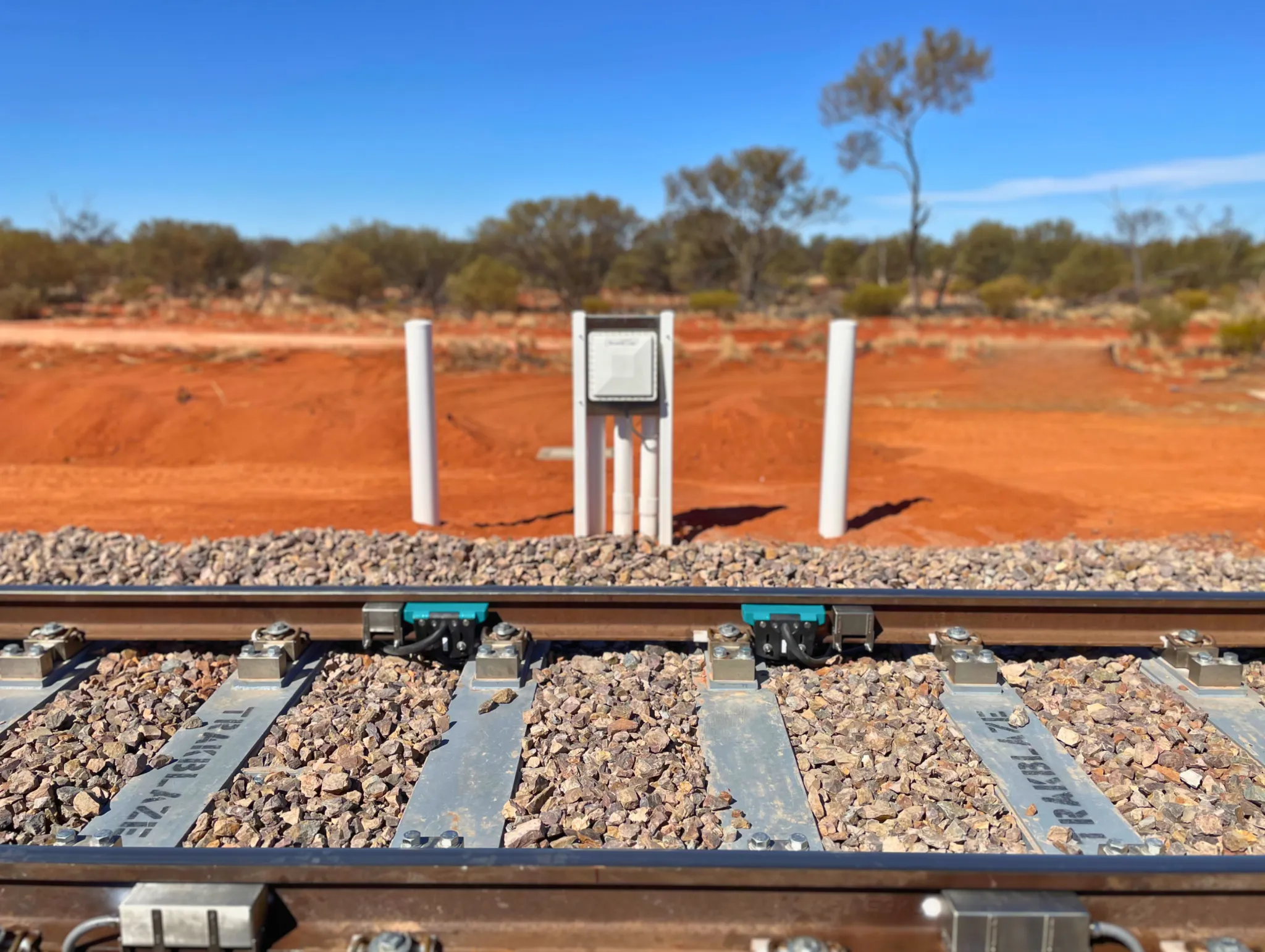
Rail is also used between major hubs for higher-volume movements. Solutions like Infinity-Low/High Speed Train Weighbridge provide verified weight data to support accurate charging at scale. Without this level of accuracy, repeated underbilling across routine movements can steadily contribute to retail margin erosion.
Invoice Disputes and Administrative Overheads
Weight discrepancies often arise during invoice reconciliation when declared weights differ from measured weights. This leads to disputes with carriers or logistics partners. These disagreements slow down invoice approvals and divert focus from other important financial operations.
But the costs go beyond just the disputed amounts. Finance and operations teams spend valuable time auditing records, validating data and coordinating necessary corrections, which increases internal overhead. Additionally, delayed resolutions can affect cash flow timing, adding another layer of financial risk.
Inventory Valuation and Working Capital Distortion
When weight data misrepresents the physical quantity of goods held or moved, inventory valuation becomes distorted. When inventory systems rely on weight-based assumptions, mismatches can occur between what is recorded and what is actually in stock. This situation can significantly undermine your confidence in inventory and financial reporting.
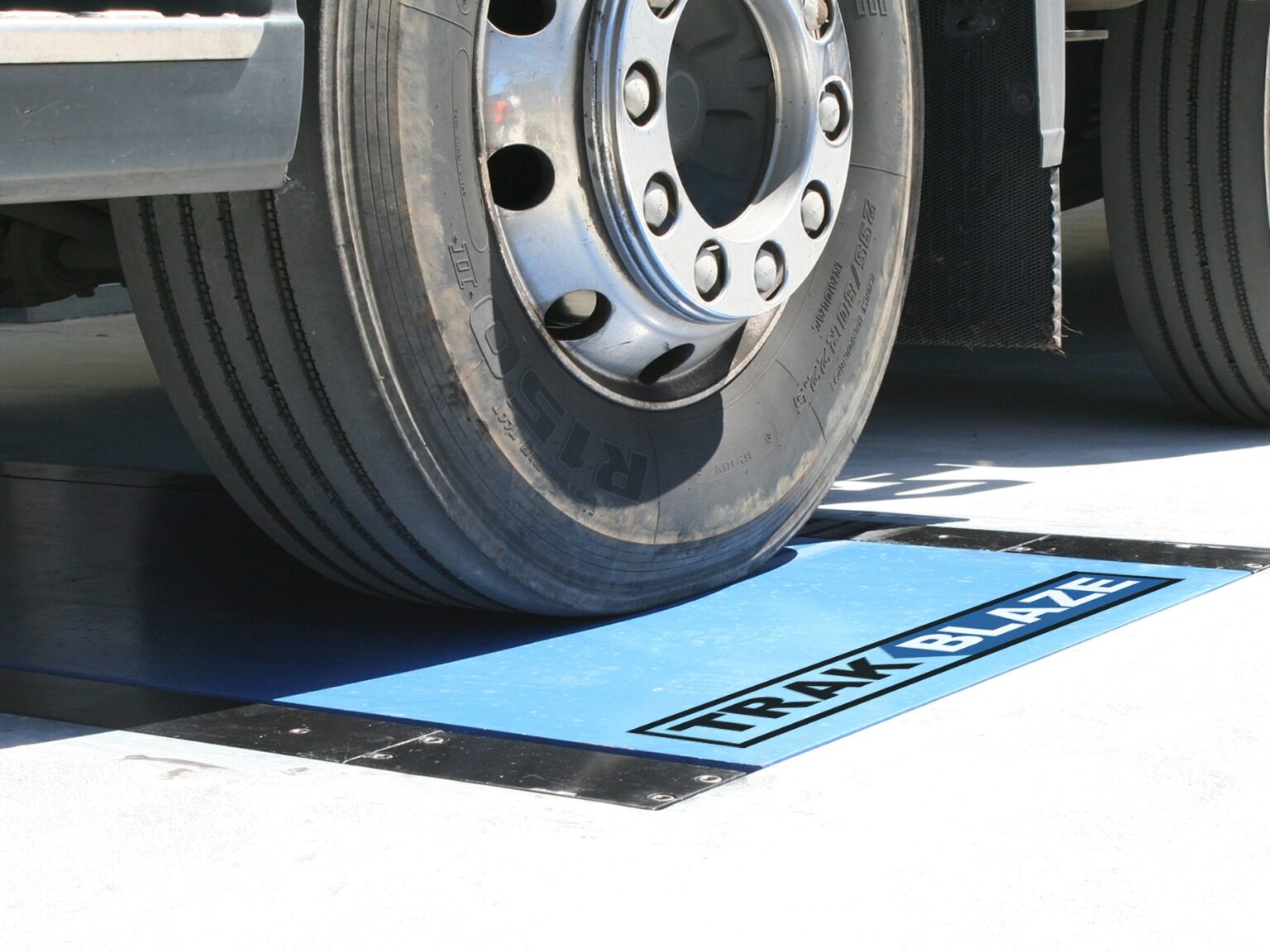
Having reliable weighing systems at movement points is key to avoiding inaccuracies. For retail freight travelling by road, Truck Axle Scales deliver verified weight data at the loading or dispatch stage, helping reduce guesswork.
Read More: How Large Retailers Use Truck Scales to Optimise Back-of-House Logistics
Compliance Penalties and Risk Exposure
Weight declarations are essential because they serve as both commercial and regulatory inputs. Misdeclaring consignment weights can lead to non-compliance with transport regulations, including the Heavy Vehicle National Law. This puts retailers at risk of fines, penalties or enforcement actions.
But the consequences do not stop there. Inaccurate weight data can heighten risks during audits, incident investigations or insurance claims.
Inconsistent or unreliable records can undermine a retailer’s standing, leading to financial and reputational risks that extend far beyond the initial shipment.
Cumulative Margin Erosion at Scale
The most significant financial risk lies in accumulation. Retail supply chains move thousands of consignments, and minor inaccuracies repeated at scale gradually erode margins. Because each instance appears small, the overall financial impact often remains hidden in short-term reporting.
Over time, these losses accumulate across transport expenses, recovered revenue, administrative costs and capital efficiency. What seems operational in nature ultimately becomes strategic, quietly undermining profitability and weakening long-term retail logistics costs.
Incorrect consignment weight is more than an operational issue in retail supply chains. Small inaccuracies can affect freight billing, revenue recovery, inventory records and compliance processes. Over time, they weaken financial control. Frequent errors in multiple shipments and large volumes lead to hidden costs, disputes and pressure on margins.
Accurate, reliable weight data supports predictable costs, cleaner invoicing, stronger compliance and more confident decision-making. As a result, disciplined weight management protects profitability and maintains a financially resilient supply chain.
If you want clearer visibility into where costs are lost across your retail supply chain, accurate weight data is a practical starting point. As a trusted weighing system provider, Trakblaze helps retailers turn weight accuracy into a measurable financial advantage. Get in touch to improve weight accuracy and protect your margins.
FAQs
How often should retailers review their consignment weight data for financial accuracy?
Retailers should review consignment weight data at least monthly as part of regular financial and freight cost reviews. Additional reviews should be done after carrier contract changes, network reconfigurations, volume increases or the introduction of new packaging.
Which parts of the retail supply chain are most likely to introduce weight discrepancies?
Weight discrepancies in retail supply chains are most likely to be introduced during inbound receiving, final outbound packing and transit.
How can weight accuracy support better freight contract negotiations?
Weight accuracy gives retailers verifiable data to support freight contract negotiations. Reliable weight records enable accurate cost benchmarking, reduce disputes over charges and strengthen a retailer’s position.
How does accurate consignment weight data support long-term retail scalability?
Accurate consignment weight data supports long-term retail scalability by providing consistent, reliable inputs for cost forecasting, network planning and system automation.