

At a glance
- Different industries require different weighing approaches, making one-size-fits-all solutions less effective.
- Rail, road, mining and aviation each face unique weighing challenges like throughput, environment and compliance.
- Choosing the right weighing solution depends on method, frequency, site conditions and the need for portability or fixed infrastructure.
- Trakblaze delivers industry-specific weighing systems tailored to practical site requirements and long-term reliability.
Selecting the right weighing solution is not just a technical decision. For many operations, accurate weight data supports compliance, safety, billing and daily efficiency. When a weighing system is poorly matched to its application, operational delays and inefficiencies occur.
Different industries have their own ways of weighing their vehicles and freight. For instance, a system that performs well in a controlled workshop may struggle in a harsh mining environment or an airport apron. That is why treating weighing as a one-size-fits-all requirement can cause errors that disrupt your workflow.
Rail, road, mining and aviation each have distinct requirements for vehicle weighing to maintain accurate readings. The weighing equipment should be durable enough to withstand operational pressure and should ease the workflow, rather than disrupting it. At Trakblaze, we design weighing systems accordingly, tailored to specific industries.
This article explains the solutions we offer for different industries and how you can match your requirements with the right Trakblaze weighing solution.
Trakblaze’s Core Industries & Their Challenges
Trakblaze supports weighing applications across rail, road, mining and aviation. Each of these sectors operates in demanding environments where accuracy, safety and efficiency depend on reliable weight data.
Because operating conditions vary widely, TrakBlaze tailors its weighing solutions to suit the specific constraints of each industry, addressing challenges related to environment, workflow and measurement stability.
We have explained key weighing challenges faced across different industries below.
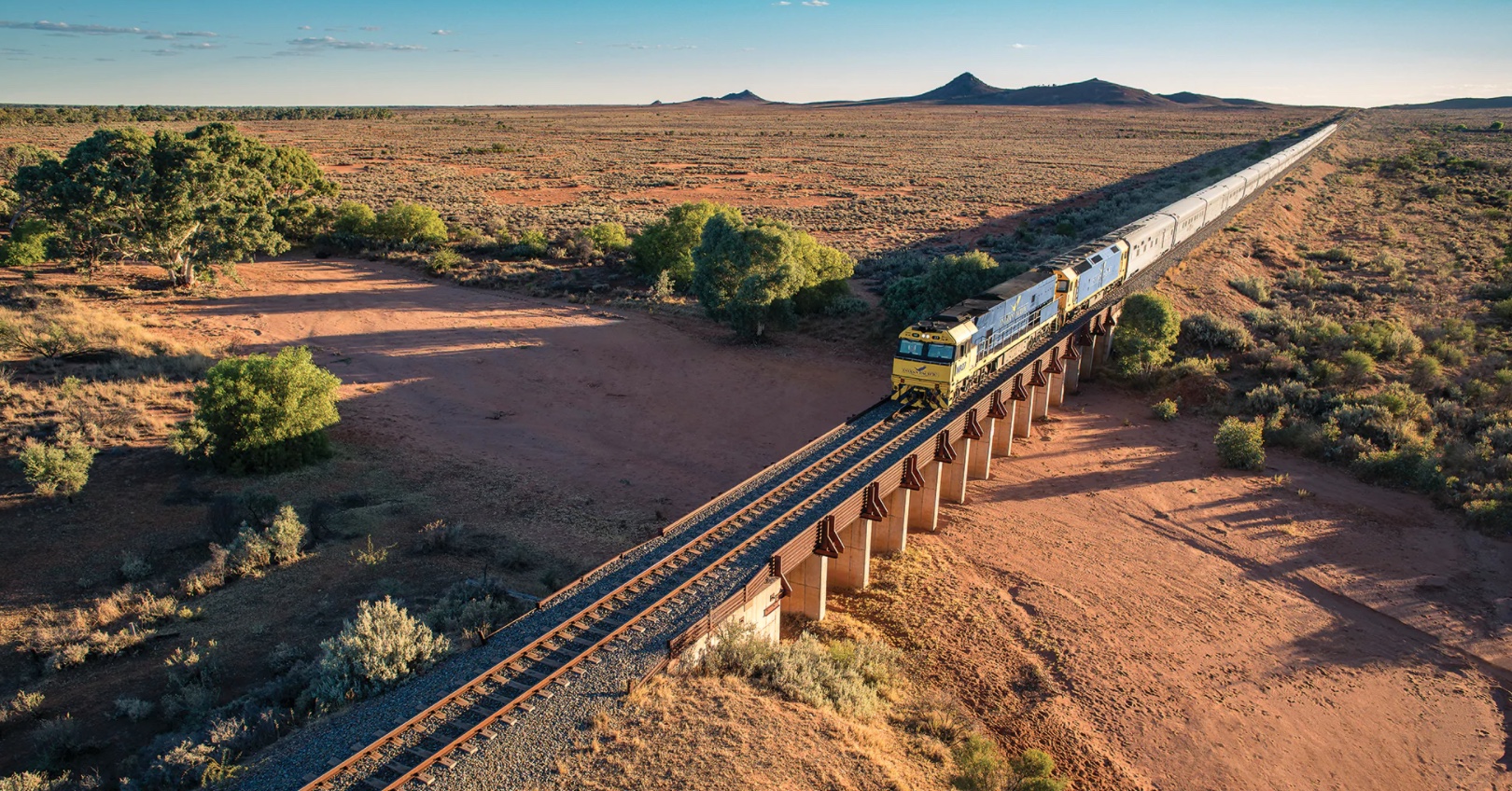
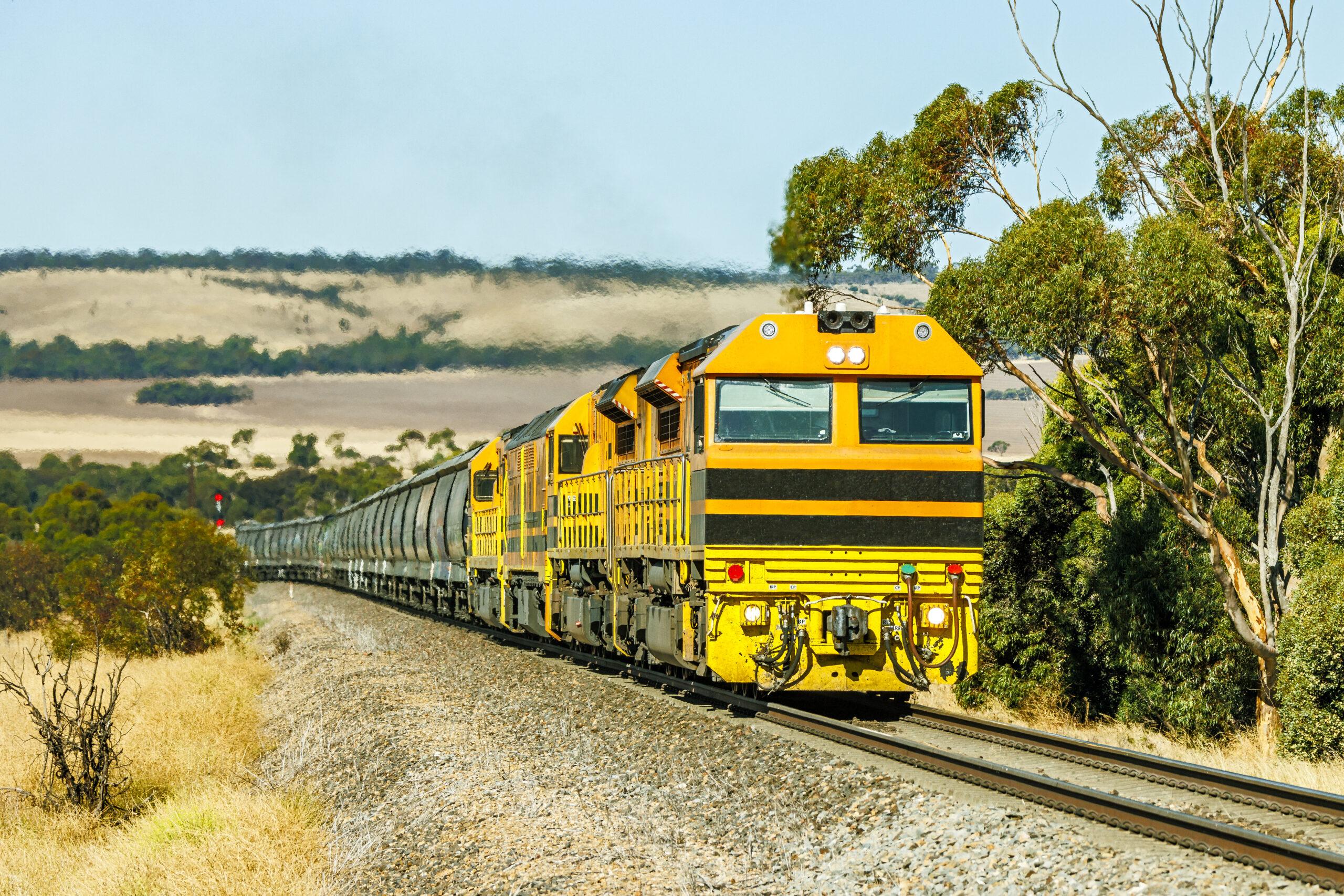
Rail Operations
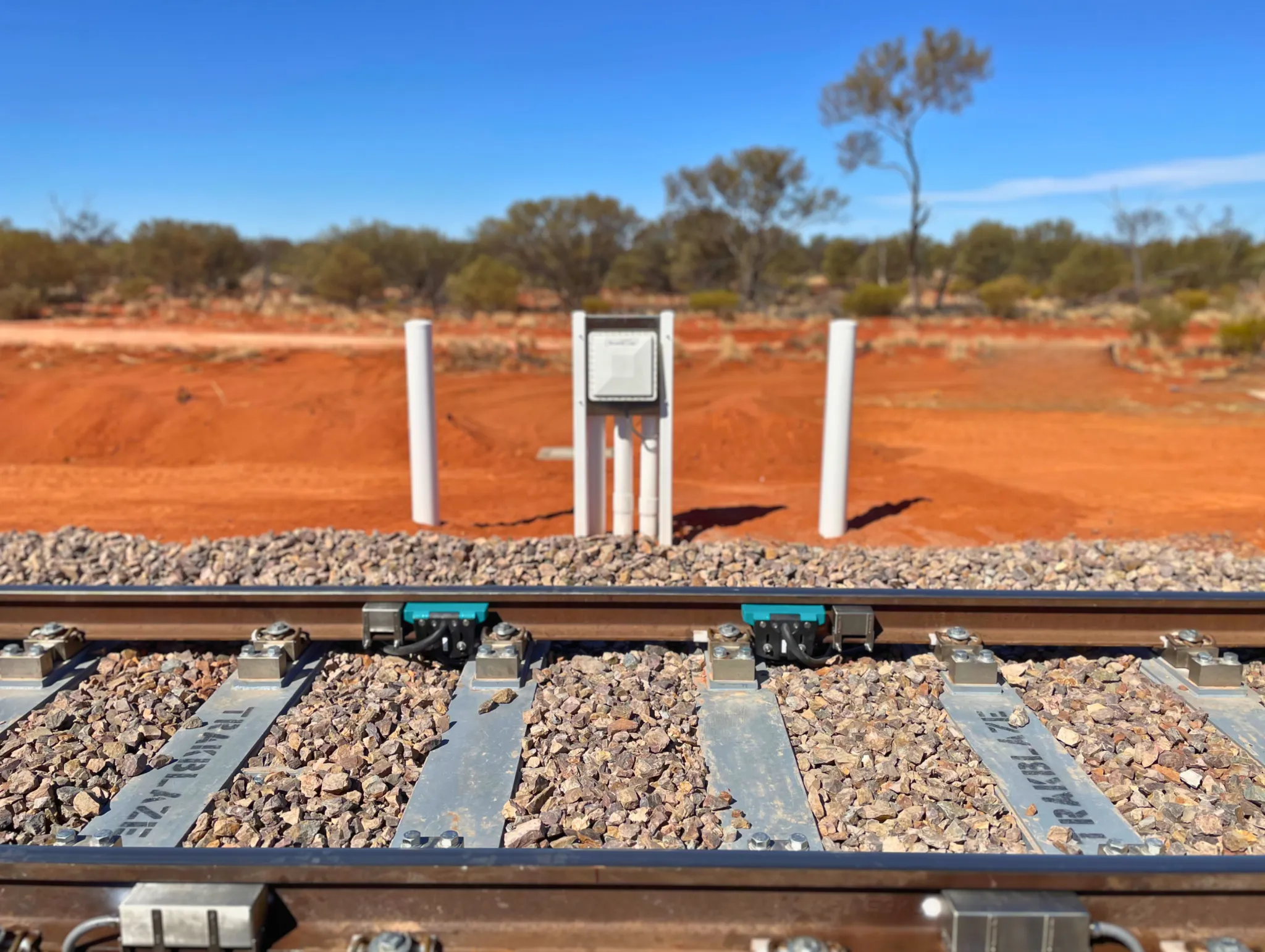
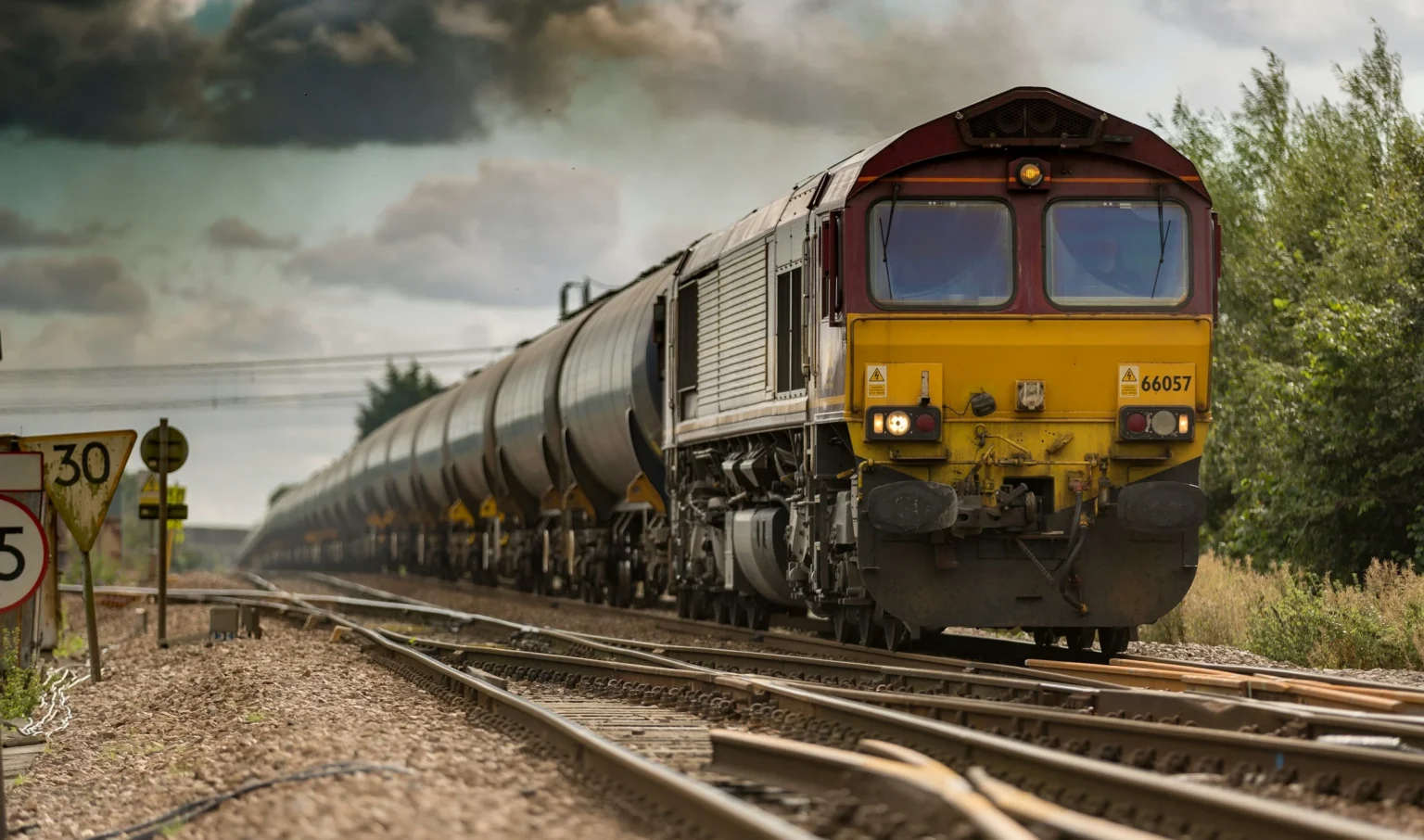
Rail operations need to detect load imbalance and overloads across active networks. Trains run continuously over long distances, making it difficult to rely only on fixed or workshop-based weighing. Measurement accuracy is further affected by changing track conditions, including geometry, speed, vibration and environmental exposure.
Rail networks also rely on different weighing approaches. Static weighing is used during maintenance, while in-motion weighing monitors loads during normal operation. Choosing the wrong method can disrupt operations or delay issue detection.
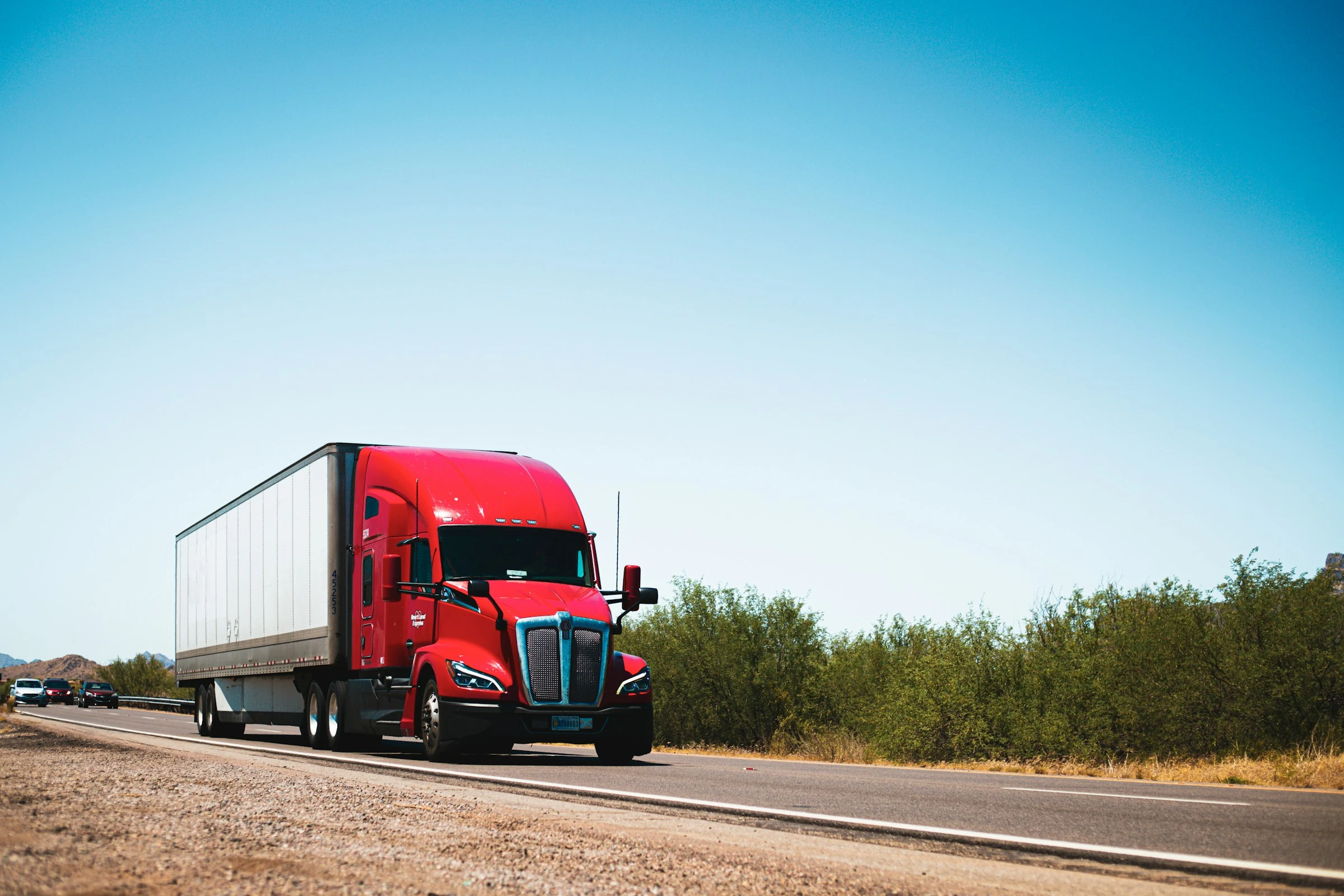
Road Transport and Logistics
Road transport environments make accurate weighing difficult due to high vehicle throughput and limited time for checks. Vehicles often need to be weighed quickly as part of loading or dispatch, which reduces the opportunity for controlled, repeatable measurements.
Fixed weighbridges can be impractical when vehicles are loaded across multiple sites. In contrast, mobile or temporary weighing is often affected by uneven ground, vehicle movement and inconsistent setup. These conditions make it harder to achieve stable, repeatable weight data without disrupting transport schedules.
Read More: How Accurate Weighing Prevents Infrastructure Damage Across Transport Modes
Mining and Heavy Industry
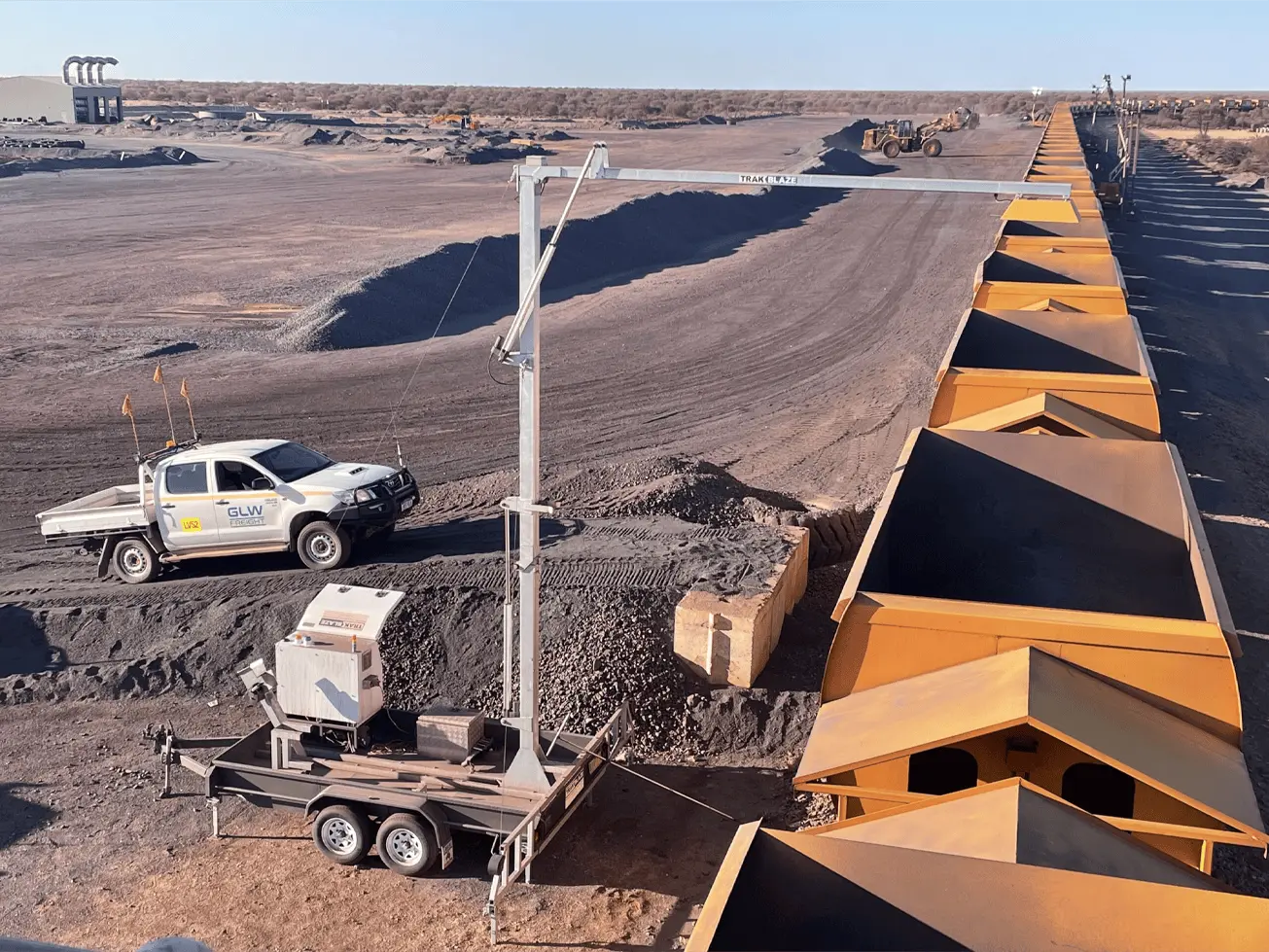
Mining exposes weighing systems to extreme loads and tough conditions. High payloads, constant cycles and rough terrain put continuous pressure on weighing infrastructure. As a result, maintaining durability and stability remains a constant concern.
Environmental factors further complicate weighing accuracy. Dust, vibration and temperature changes affect mechanical and electronic components. In addition, frequent vehicle movement makes accurate weight measurement difficult.
Maintaining reliable weight data under these conditions is a persistent challenge for mining operations.
Aviation and Airport Operations
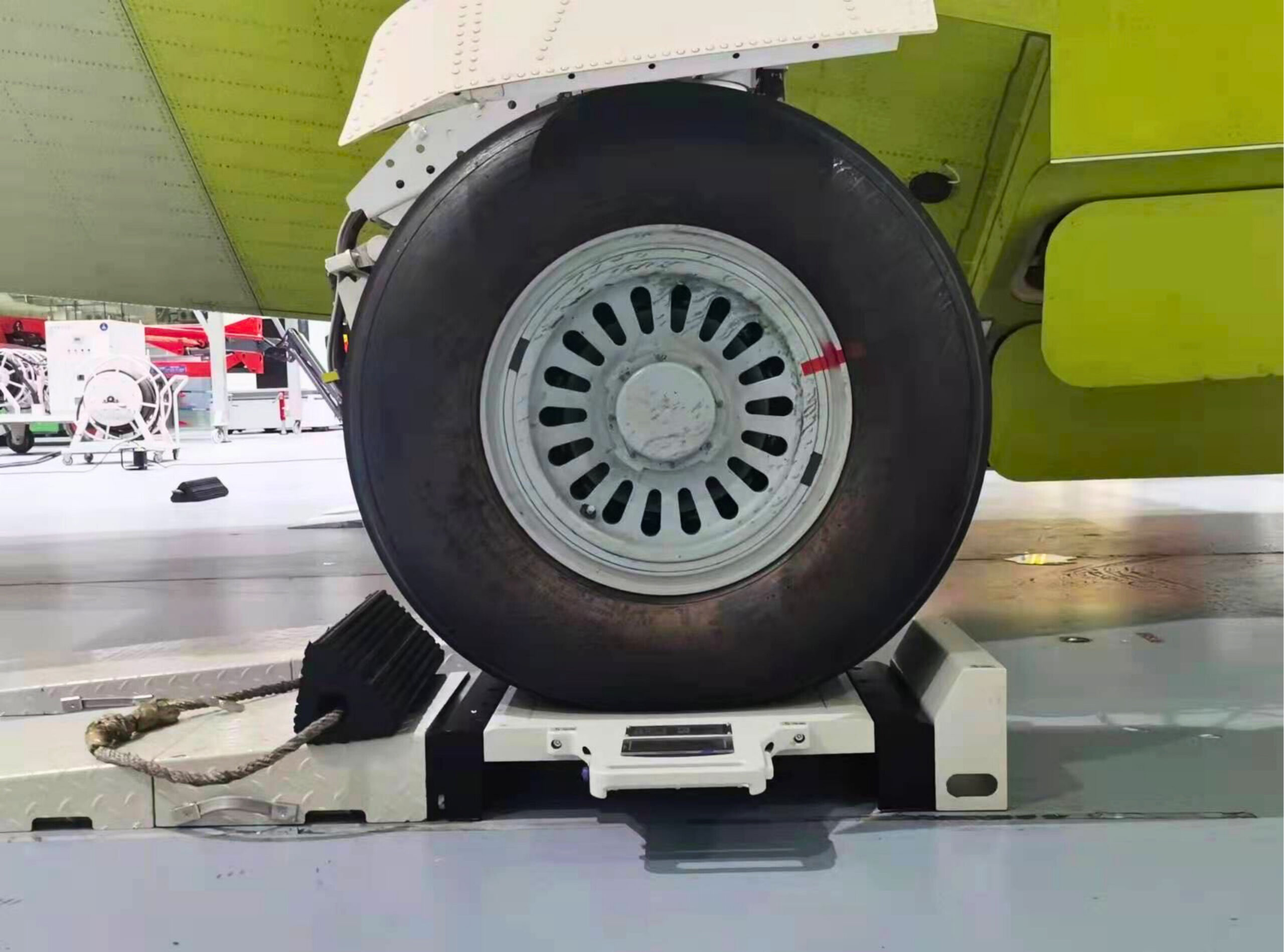
Accurate weighing in aviation is difficult due to limited time and controlled weighing locations. Aircraft are loaded in multiple areas, often under tight turnaround schedules, which reduces the ability to perform repeat or verification checks.
Weighing accuracy is also affected by uneven apron surfaces, aircraft movement during loading and changes in configuration or fuel state. These factors make it challenging to achieve stable measurements and even slow down ground operations.
Trakblaze’s Weighing Solution Categories
At Trakblaze, we offer a wide variety of weighing systems with specific features for different industry requirements. Here is a short overview of each solution category:
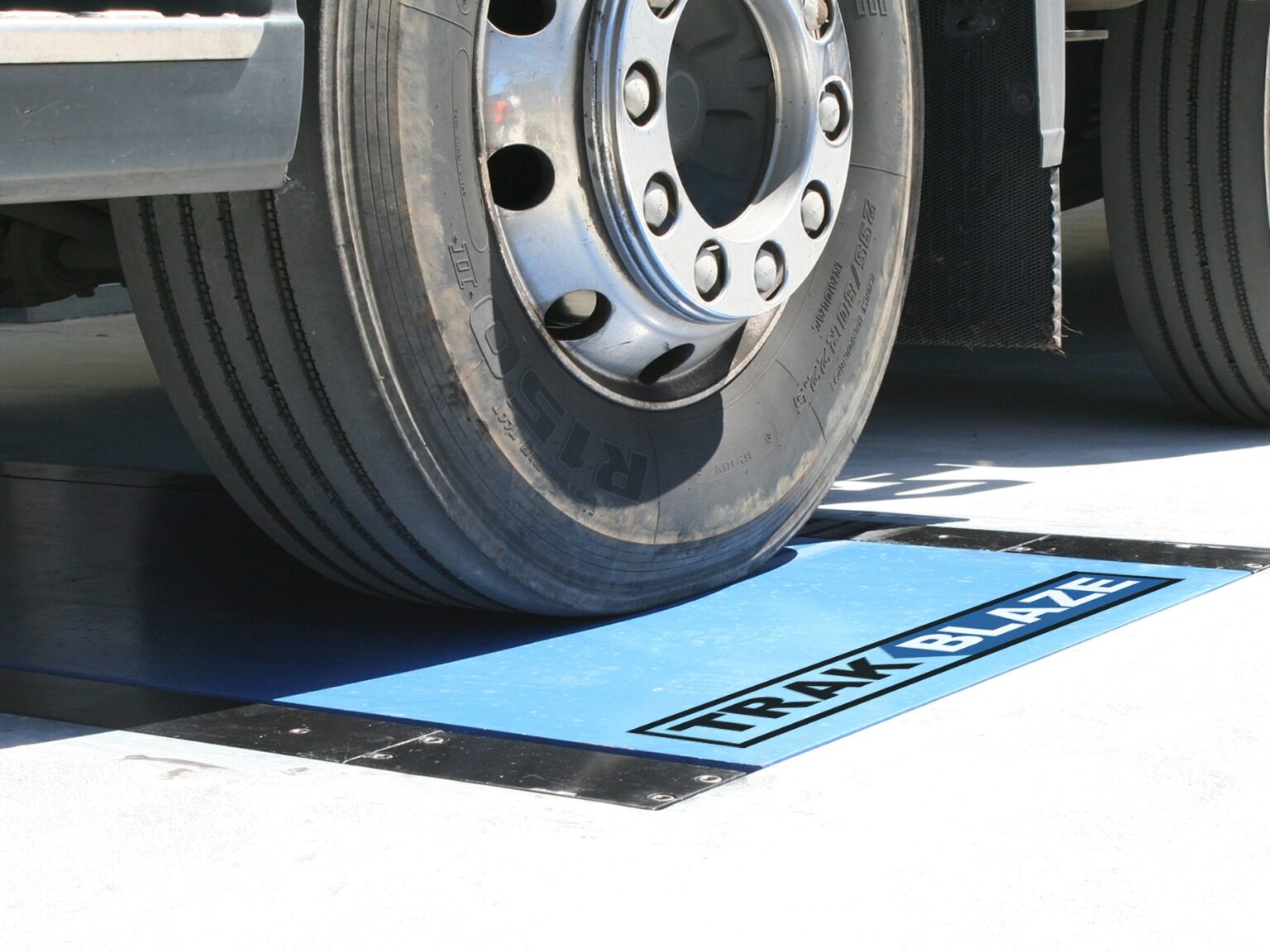
- Truck Scales: These solutions are used to measure axle and gross vehicle weights to support compliance and safety before vehicles enter public roads. They help meet axle load limits and improve safety for both fleets and drivers. Their portable formats allow weighing at depots, loading areas or roadside locations without requiring fixed infrastructure.
- Weighbridges: Commonly used in transport, mining, rail and aviation, weighbridges provide a reliable way to measure bulk material weights. Modern weighbridge designs prioritise slimline, portable and space-efficient design. Modern designs prioritise space efficiency without compromising accuracy.
- Mobile Train Weigher (MTW): A load-cell-based rail weighing system, which fits into the inner sides of most conventional rails. It can also be deployed at depots, workshops or remote locations. This makes it useful for weighing, balancing and checking various rail assets and locations.
- Vehicle Balancing Systems: Designed to accommodate various rail gauges and axle configurations, these systems are used across bogies and wheelsets. These systems help identify imbalances by simulating applied loads that affect fuel efficiency.
What to Consider When Aligning Your Industry Needs with a Weighing Solution
The next step is to understand how operational conditions influence the requirements for weighing systems for your industry. These factors help determine whether industrial weighing systems are suitable for your operating environment.
Weighing Method: Static vs In-Motion
Static weighing allows weight measurements while vehicles are stationary, offering maximum control and stability. Thus, static weighbridges are ideal for precision checks, maintenance or verification.
On the other hand, in-motion train weighing allows for ongoing monitoring without disrupting live operations.
The operational environment heavily influences the suitability of the weighing solution. Static rail weighbridges are well-suited for depots and workshops, whereas in-motion systems are better suited to mainline rail networks.
Recognising this balance helps ensure you invest in weighing systems that deliver reliable results without adding unnecessary operational friction.
Frequency and Throughput Requirements
How often weighing occurs directly affects the weighing system’s needs. Some operations need occasional weight checks, while busy operations require real-time weighing to maintain control and compliance.
High-frequency use subjects equipment to sustained mechanical and electronic demands, requiring durability and long-term performance.
Throughput also impacts system selection. A weighbridge in a busy logistics hub must stabilise quickly and recover between loads. In contrast, a mining weighbridge may handle fewer vehicles but at much higher capacities.
Site Conditions and Installation Constraints
Physical site conditions are important when considering system installation. Fixed structures, limited space or uneven ground can limit the types of systems that can be used. In rail and mining settings, changes to tracks or roads can also affect downtime and approval processes.
Environments with dust, vibration and temperature extremes demand weather-resistant weighing solutions that can maintain accuracy and reliability. Heavy-duty weighing systems and high-capacity weighbridges are often necessary where site conditions cannot be controlled.
Portability and Flexibility
Industries that operate across multiple sites or asset types often benefit from portable weighing systems rather than fixed ones. Portability allows weighing to move with operations, which reduces dependence on permanent infrastructure.
Portable truck scales and axle load weighing systems are especially important in temporary locations or enforcement activities. Flexibility becomes a strategic advantage, enabling industry-specific weighing solutions to adapt as operational needs change.
Read more: Portable vs. Permanent Scales: Which is Best for Logistics Fleets?
Choosing the Right Trakblaze Solution Based on Industry Needs
The following table outlines how different use cases align with specific Trakblaze weighing solutions:
| Industry / Use Case | Key Operational Requirements | Suitable Trakblaze Weighing Solutions |
| Rail Operations | – High-volume weighing within live rail networks
– Safety-critical accuracy and repeatability – Minimal disruption to train movement |
Static or in-motion rail weighbridges, such as the INFINITY Low/High Speed Train Weighbridge, with balancing systems where required |
| Rail Workshops & Remote Tracks | – Occasional or scheduled weighing
– Minimum railway track modification – Weighs different rail vehicle types |
Mobile Train Weigher (MTW) and rail workshop weighing and balancing systems |
| Road Transport, Logistics & Heavy-Haul Operations | – Frequent axle and gross vehicle weight checks
– Mixed fleet configurations – Compliance with axle load regulations and public safety requirements |
Force1 Axle Scales or fixed truck weighbridges, depending on site setup |
| Mining & Heavy Industry | – Very high payloads and continuous operation
– Harsh site conditions, including dust and vibration – Reliable performance under heavy load cycles |
Heavy-duty weighbridges and mining-specific weighing systems, such as the Mining Truck Volumetric Scanner (TVS) |
| Aviation & Airport Operations | – Precise aircraft weight and balance measurement
– Strict regulatory oversight – Repeatable results across different aircraft types |
AVIATOR Portable Aircraft Weighing System |
The key point to understand is that selecting the right Trakblaze weighing solution depends on how well it fits your industry’s needs. Rail, road, mining and aviation operations each face specific challenges related to accuracy, throughput and compliance.
For rail applications, static, in-motion rail weighbridges or mobile train weighing systems are ideal. For road transport, use fixed or portable truck and axle scales. In tough mining conditions, heavy-duty weighbridges or volumetric systems are ideal. Likewise, portable aircraft weighing and balancing systems provide efficient weighing in the aviation sector.
If you are evaluating options for your operation, partnering with Trakblaze can make a significant difference. Our team helps you choose the right weighing solution for your operational needs, compliance and site requirements. Contact us to learn more about weighing solutions suitable for your operation.
FAQs
How early should weighing requirements be considered when planning a new site or facility?
Weighing requirements should be considered at the earliest planning stage, ideally during site layout and infrastructure design. Early consideration allows weighing systems to be integrated into traffic flow, reducing retrofitting costs and operational disruption later.
Can environmental or operational changes make an existing weighing system outdated over time?
Yes. Environmental and operational changes can reduce the effectiveness of the existing weighing system. Increased loads, harsher conditions or changes in workflow can exceed original design limits.
What questions should you ask a weighing system supplier before finalising a solution?
Before finalising a solution, consider asking a weighing system supplier:
- Is the system suited to our industry and operating conditions?
- What accuracy, capacity and compliance standards does it meet?
- How will it integrate with our site layout and workflow?
- Can it adapt if our operational needs change?
- What calibration, maintenance and support are required?
Read More: Things to Look Out For When Selecting a Weighbridge Supplier