


At a glance
- Before purchasing a vehicle weighing system, ensure it matches your specific application, vehicle types and operating environment.
- Check load capacity, compliance fit and future scalability before making a decision.
- Evaluate system usability, data connectivity and durability to support daily operations.
- Consider installation impact and total cost of ownership, not just upfront price.
Vehicle weighing systems are essential for industries that require tracking vehicle weight in their operations. Accurate weighing helps manage load limits to support safe vehicle operations, monitor freight and ensure regulatory compliance.
They vary widely in design and utility, and factors such as vehicle type and operating environment are considered when selecting the right kind. However, many organisations purchase a weighing system based on upfront cost or headline specifications, without fully considering how it will perform in their day-to-day operations. This leads to operations struggling with site conditions, failing to deliver consistent data and requiring ongoing adjustments.
To help you choose the right weighing solution, we have created a checklist outlining key considerations when selecting a vehicle weighing system. It will help you avoid common pitfalls and make informed choices based on your operational needs.
Buyer’s Evaluation Checklist for Vehicle Weighing Systems
To select the right vehicle weighing system, you need to assess how each option aligns with your vehicle types and long-term operational demands. Here are some important factors to consider before making a decision:
Identify the Intended Application and Vehicle Type
The first step is to be clear about how you will use the system, as each one is designed for a specific purpose.
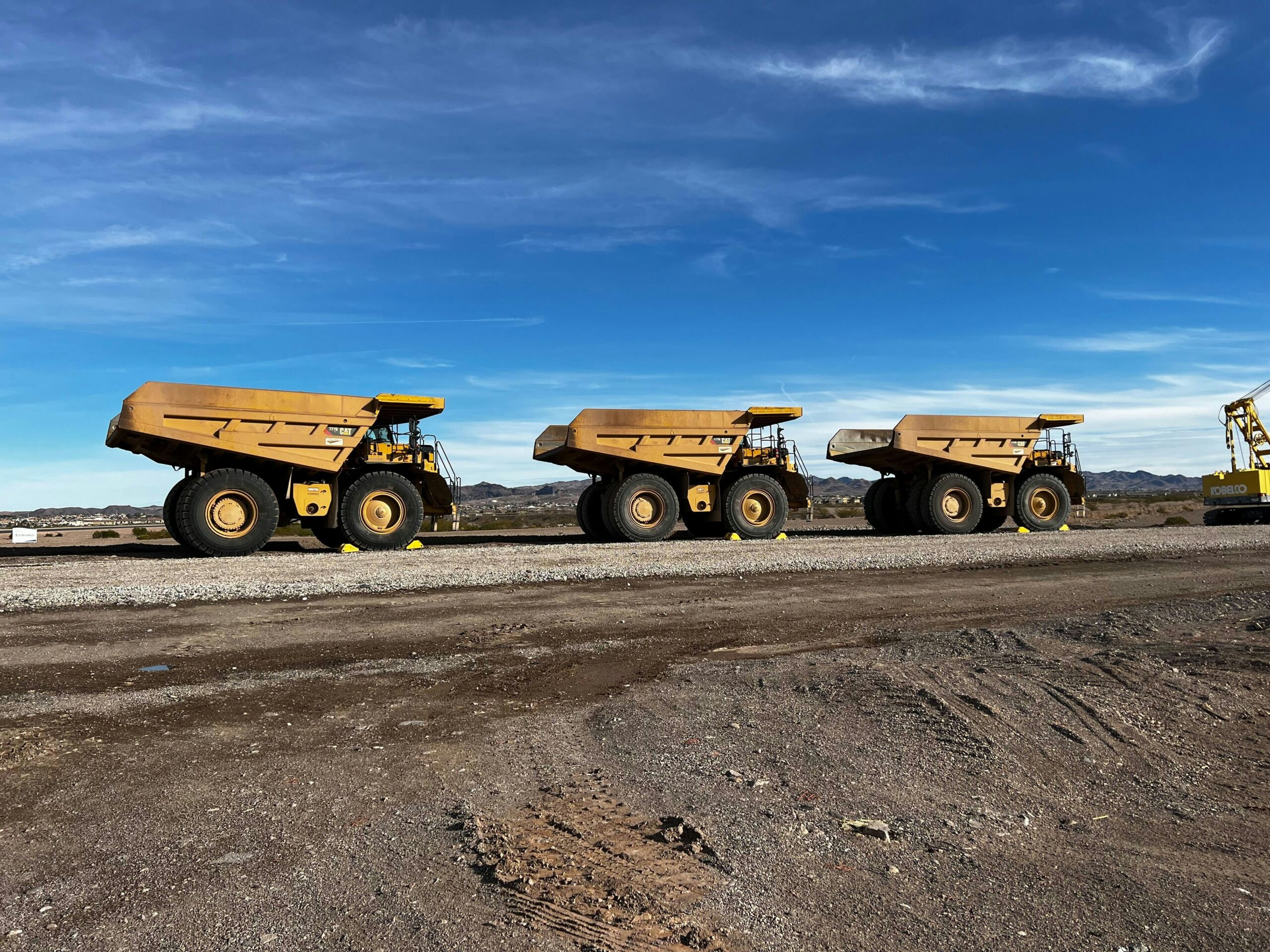
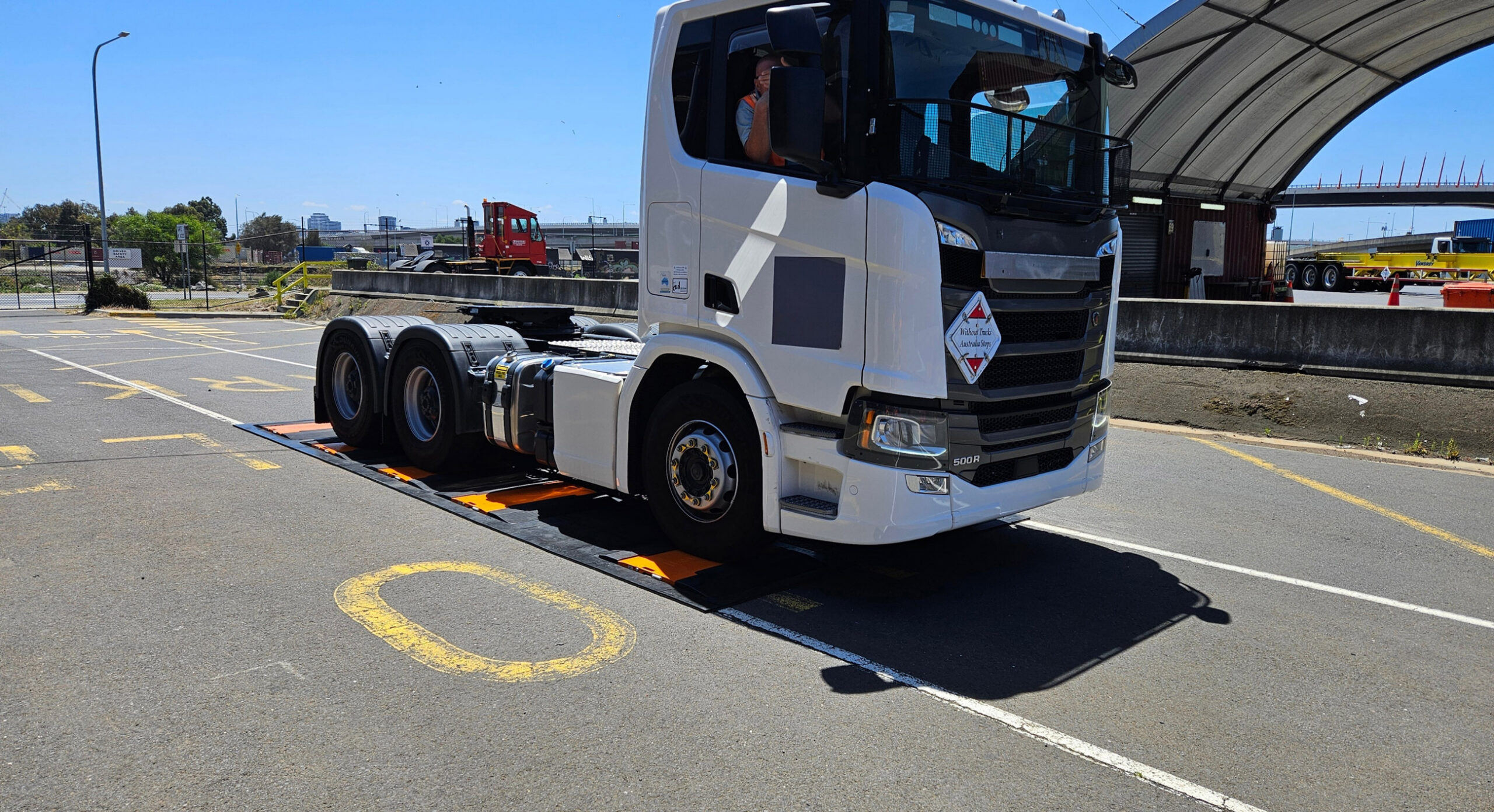
For vehicles transporting heavy loads, verifying axle loads and gross vehicle weights helps ensure compliance and smooth transport. Similarly, accurate weighing at mining sites helps control overloading wagons and trucks to prevent vehicle wear.
Vehicle type also plays a key role in determining system suitability. Light commercial vehicles, heavy vehicle fleets and specialised equipment place different stresses on weighing platforms and sensors. Therefore, a system that performs well on standard trucks may not deliver reliable results for heavy-haulage or custom vehicles.
Read More: The Toughest Scales for the Toughest Industry: Why Mines Choose Trakblaze
Assess Operating Environment and Site Conditions
Where the system operates is just as important as what it measures. Outdoor weighing systems face distinct challenges from indoor setups in industrial vehicle weighing. If weighing systems cannot withstand challenging environments, exposure to dust, moisture and temperature fluctuations compromises their reliability.
Furthermore, traffic flow, available approach length and surface stability impact accuracy and usability. If space is tight or vehicles cannot approach consistently, certified weighing systems may not perform as expected. Acknowledging these site constraints in advance helps ensure the selected solution works effectively.
Check Load Capacity and Compliance Fit
It is important to confirm how the system will be used from a compliance perspective. Some operations rely on weighing for internal control and monitoring. Others need certified weighing systems to support axle load compliance or formal reporting. Understanding this difference helps ensure the system meets the regulatory requirements that apply to your site.
The system should be able to handle vehicles, axle groups and loading conditions without approaching its limits. In heavy vehicle weighing settings, having extra capacity for future fleet growth lowers the risk of early wear or non-compliance. That is why selecting a system with the right capacity supports long-term reliability.
Review System Features and Connectivity
For any vehicle weighing system, indicators, displays and operator interfaces must be easy to read and simple to operate. This way, staff can record weights accurately without slowing down operations. When the system is hard to use, data quality is affected.
Also, consider how data is captured and utilised. Fleet weighing systems now depend more on digital reporting. In practice, the system should work smoothly with compliance tools, fleet management software and internal databases. Connectivity options, such as wired, wireless or cloud-based, influence how easily you can scale the system and transform raw weight data into useful insights.
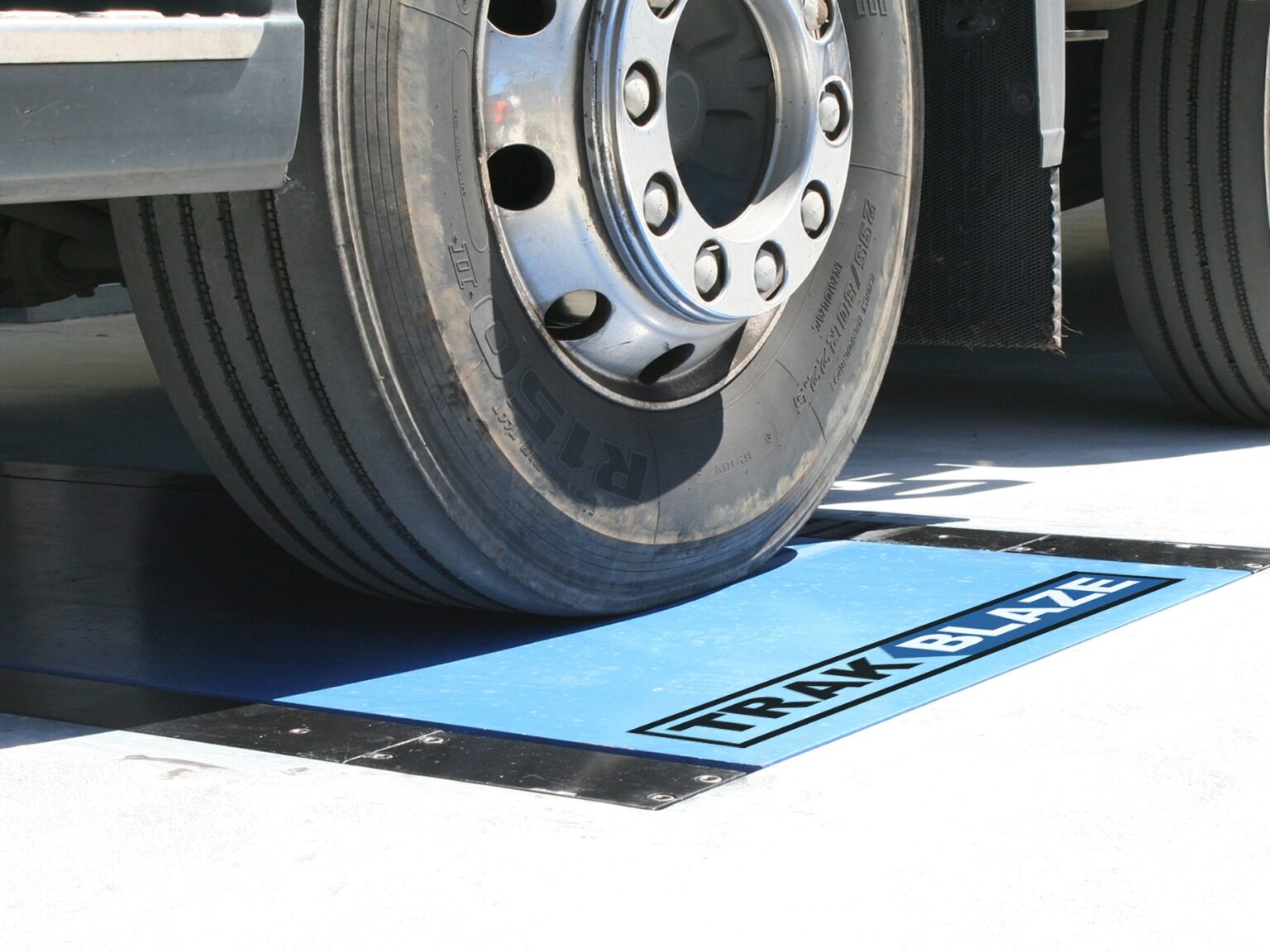
For example, the Infinity Weighbridge provides real-time weight data via instant printouts or direct digital data access via PC software. This helps operators record, review and share weighing data instantly without additional transcription.
Evaluate Durability and Long-Term Cost
You should also consider construction quality, structural design and impact resistance. This will influence how well a system holds up under repeated load cycles in real operating conditions.
If upfront costs concern you, note that the total cost of ownership of a weighing solution from a reliable provider is often much lower over time. Easy maintenance access, readily available spare parts, strong support and minimal maintenance result in a lower total cost of ownership. So, consider both durability and long-term cost when choosing the right weighing system.
Understand Installation Requirements and Operational Impact
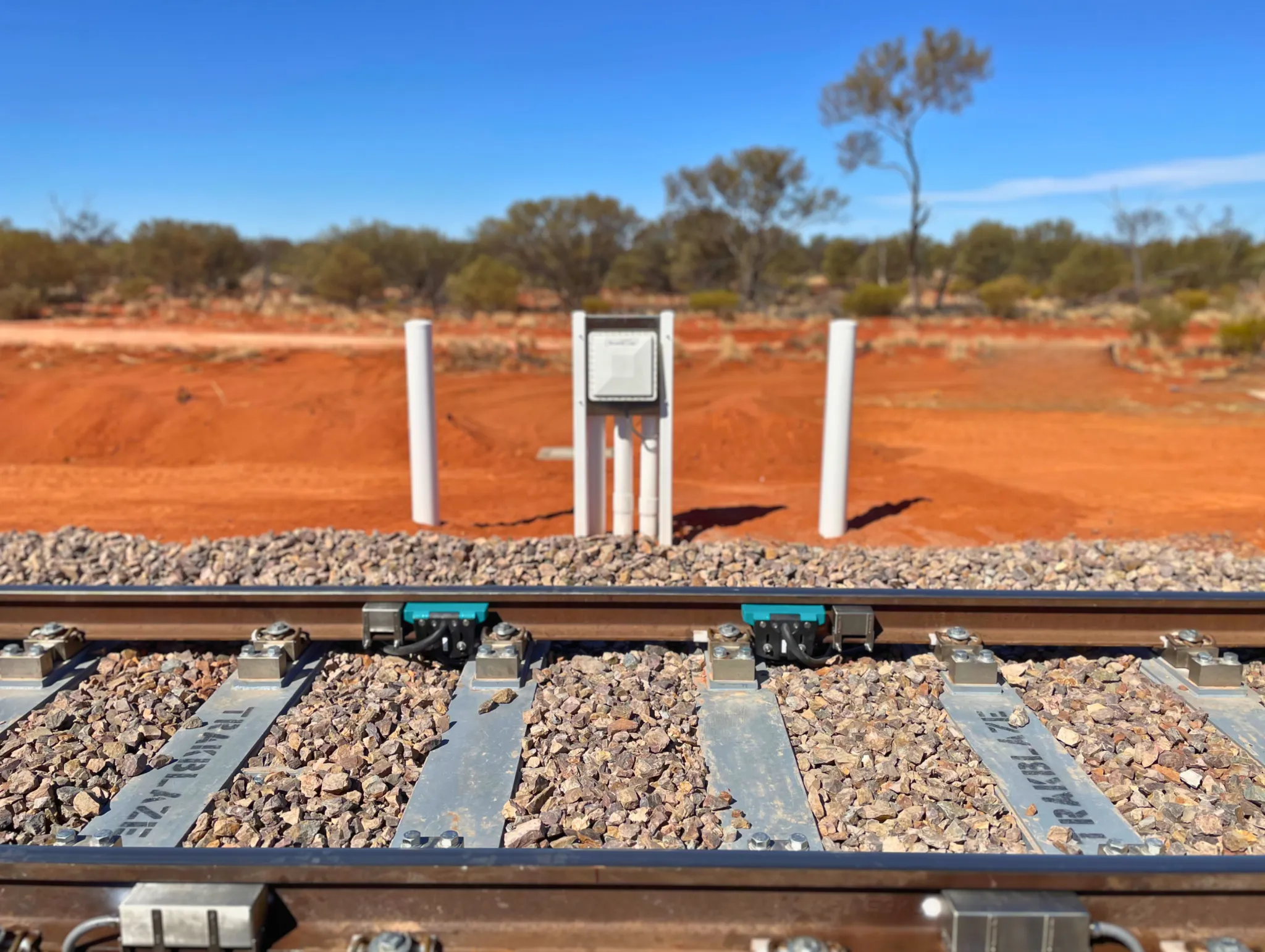
Installation requirements can significantly influence timelines, costs and daily operations. This is particularly crucial in rail and industrial settings where minimising downtime is essential. Some weighbridges often necessitate civil work, track modifications or extensive site preparation. If these tasks are not carefully planned, they can disrupt operations.
Look for systems designed to integrate with existing infrastructure, simplify installation and help ensure smooth operations. Weighing solutions like the Infinity-Low/High Speed Train Weighbridge are installed without rail cutting, welding or grinding. This installation method reduces track possession time and helps prevent costly shutdowns.
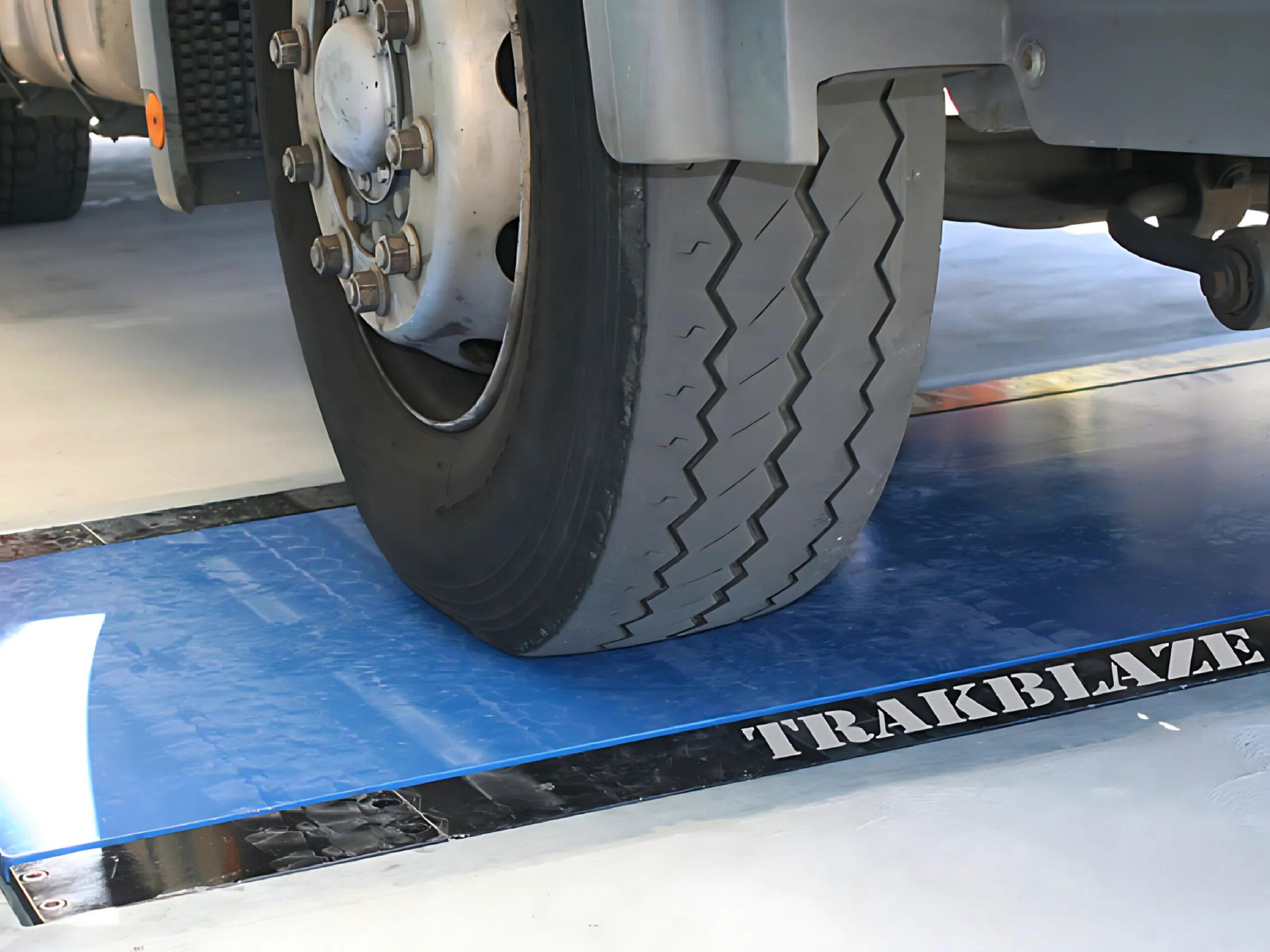
You should also consider installation time, traffic disruption and downtime. Even a technically suitable vehicle weighing system can become impractical if installation causes prolonged operational interruptions. For example, systems such as MTW can be installed by two people within 15 minutes.
Common Mistakes to Avoid When Choosing a Vehicle Weighing System
Once the evaluation criteria are clear, it is important to be aware of common pitfalls in vehicle weighing systems:
- Underestimating future operational changes: Do not just look at the system that meets current needs. This often leads to premature replacement or costly upgrades. Choose a system that offers scalability to support evolving operations.
- Ignoring real-world operating behaviour: Some systems perform well under controlled conditions but often struggle in live environments. To prevent this, evaluate how the system handles real-world site conditions and vehicle movement patterns.
- Overlooking training and user adoption: Even the best-designed systems can yield inconsistent results if operators are unsure how to use them effectively. Limited training often causes underuse or incorrect data capture. You can avoid this by focusing on systems with easy-to-use interfaces and providing sufficient operator training.
- Choosing an unreliable weighing system provider: Working with a provider that lacks industry experience or ongoing support can lead to long-term issues such as downtime and compliance risks. Limited certification or poor after-sales service often becomes apparent only after installation. That is why you should choose a trusted weighing system provider with a strong track record and available technical support throughout the system’s lifespan.
To summarise, choosing the right vehicle weighing system comes down to understanding how it will be used in practice. Consistent results for your industry depend on vehicle type to weigh, operating environment, load capacity, system features, durability and installation impact. Assessing these elements helps ensure you select the right equipment that supports regular operations without adding delay or complication.
It is also important to consider long-term performance instead of focusing on upfront cost. As operations expand, a well-matched vehicle weighing system should remain dependable. By taking a practical approach to evaluation, you can make a confident decision that provides lasting value.
Planning on investing in a reliable vehicle weighbridge? Check out Trakblaze, a proven vehicle weighing provider with decades of experience. We help you select a system that remains reliable and fit for purpose as your operational needs evolve.
Get in touch with us today to explore a solution tailored to your site and vehicles.
FAQs
How often should a vehicle weighing system be recalibrated to maintain accuracy?
Most vehicle weighing systems should be recalibrated at least once a year. In high-use operations, recalibration every 3 to 6 months is recommended to maintain reliable performance and compliance.
Can one weighing system support multiple vehicle types across different sites?
A single weighing system can support multiple vehicle types across different sites if it is designed to handle high loads, accommodate varied vehicle configurations and withstand site-specific conditions. However, where requirements vary across industries, purpose-built weighbridges are often the more reliable option.
What early signs indicate a vehicle weighing system is no longer performing reliably?
Early signs include inconsistent readings, unexpected changes in axle or gross weights, more frequent recalibration, visible component wear and occasional data or display issues.