

At a glance
- Overloaded haulage vehicles cause damage to infrastructure across roads, rail tracks, and aviation runways.
- Accurate truck weighing protects pavements, bridges, and shoulders from premature surface failures.
- Precise load control of wagons reduces railhead wear, sleeper stress, and track misalignment, preserving safe rail operations.
- Correct aircraft weighing prevents runway damage, reduces FOD risks, and safeguards airside pavements from overload strain.
- Trakblaze’s advanced weighing systems help operators detect overloads in real time and preserve transport infrastructure across all modes.
Many heavy haulage vehicles operate across public and industrial transport networks every day. And when their loads push infrastructure beyond safe limits, the impact can be serious. Overloaded trucks, freight wagons, and aircraft accelerate structural wear on their routes, weaken load-bearing components, and compromise infrastructure safety and reliability.
Managing accurate weights is not just about regulatory compliance; it is also a duty of every organisation that uses shared roads, rail lines, and aviation surfaces. As an operator, you should take responsibility for the loads you haul by using precise weighing systems and ensuring they do not cause preventable damage.
This blog explores how accurate weighing is crucial to preventing infrastructure damage across different transport modes. We will break down how modern weighing solutions protect transport infrastructure and keep freight moving safely.
Common Infrastructure Damage Caused by Overloading
Highways, rail intersections, and airport service roads are all prone to structural stress and damage due to excessive vehicle weights. Common types of damage include:
- Rapid Road Surface Damage: On highways and industrial routes, overloaded trucks accelerate rutting, cracking, and pothole formation because the pavement surface cannot absorb the excessive pressure. This leads to premature resurfacing, unsafe driving conditions, and maintenance needs.
- Excessive Stress on Bridges and Flyovers: When overloaded vehicles push bridge decks, beams, and expansion joints beyond their engineered limits, the structures start to fatigue. Steel components weaken over time, and concrete sections develop cracks, gradually reducing the bridge’s strength and lifespan.
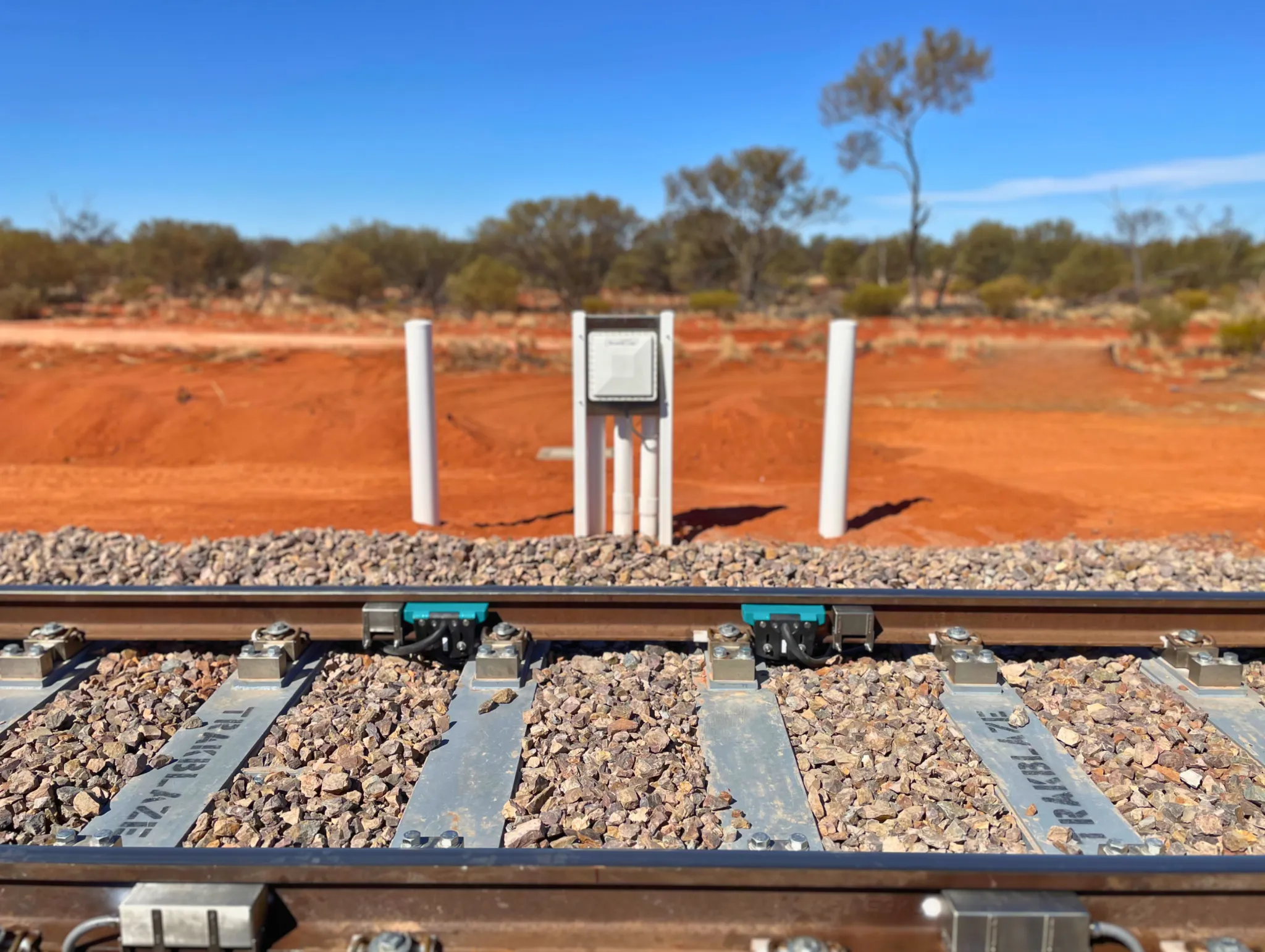
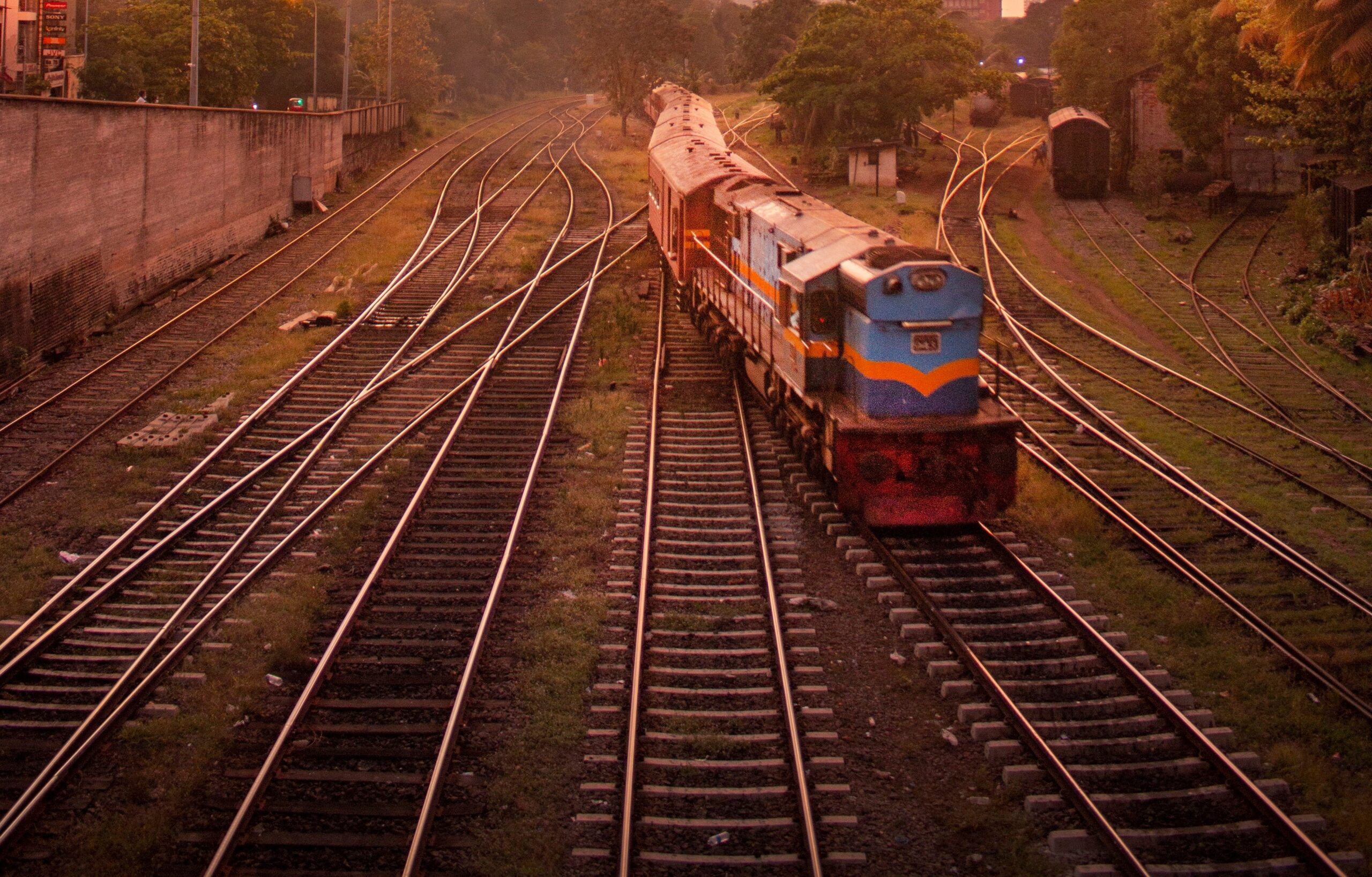
- Rail Track Wear and Structural Deformation: Overloaded trains increase pressure on rails, sleepers, and ballast, accelerating metal fatigue, railhead wear, track misalignment, and cracking in stressed sections. Turnouts, crossings, and welded joints experience the highest strains that can cause premature repair cycles, speed restrictions, or full-line shutdowns. Over time, overloaded freight trains degrade track geometry, increase derailment risk, and increase maintenance costs.
- Runway and Airfield Pavement Damage: Overweight aircraft impose greater loads on runway and airside pavement surfaces than they are engineered to handle. Higher wheel pressure causes accelerated surface distress, subsurface cracking, and deformation under repeated landings. Load-bearing layers weaken gradually, leading to foreign object debris (FOD), unsafe take-off conditions, and costly resurfacing.
How Accurate Weighing Protects Road Infrastructure
Here is how accurate vehicle weighing helps prevent these issues:
Prevents Premature Road Surface Failures
Heavy vehicles that exceed legal limits place far more stress on asphalt than the pavement is designed to handle. This extra pressure accelerates rutting and cracking, especially in high-traffic freight corridors.
Accurate axle-weight checks reduce the wheel impact forces that lead to pothole formation. With compliant weighing systems preventing overloaded trucks from entering the network, road agencies experience fewer emergency patching requirements and longer intervals between resurfacing cycles.
Reduces Stress on Bridges and Flyovers
Overloaded trucks exert much more force on bridge decks, girders, and load-bearing beams. The stress builds with each crossing, slowly weakening the bridge’s ability to safely distribute weight. Weighbridge screening serves as an important safety measure by detecting and preventing overweight vehicles from crossing these delicate structures.
By ensuring trucks are within legal weight limits, fleets can cross safely through bridges without deteriorating the bridge components. This helps extend their lifespan, reduce emergency repairs, and delay the need for major rehabilitation projects.
Protects Pavement Edges and Shoulders
When a truck exceeds its load limit, the load shifts outward toward the pavement edges, leading to cracks, breakage, and shoulder failures. Drainage zones and shoulders, the strips of land on the sides of the main carriageway, are the areas that erode quickly when exposed to overweight traffic.
Compliant weighing reduces edge collapse and preserves the structural support needed to keep pavements stable. With proper weighing, vehicles can operate within intended wheel paths and prevent sideways pressure that weakens pavement boundaries, drainage zones, and shoulders.
Read More: Why Site Drainage is Essential for Accurate Weighing
Preserves Road Base and Subgrade Layers
The real damage from overloaded vehicles often occurs beneath the surface, where excessive axle loads crush the granular base and weaken the subgrade. Over time, this leads to uneven settlement and deep structural failures that cannot be repaired with simple resurfacing.
Vehicles with compliant weights prevent these hidden layers from being overstressed, protecting the foundation that supports the entire pavement system. With that, road operators reduce long-term fatigue and avoid expensive reconstruction projects.
Prevents Infrastructure Damage Caused by Spillage
Overloading and uneven load distribution increase the risk of material spillage during haulage. When excess material drops onto haul roads, rail tracks, or transfer areas, it causes surface wear, blocks drainage paths, and adds abrasive buildup that accelerates infrastructure damage. Frequent spillage also forces more maintenance interventions, raising operating costs.
Accurate weighing prevents these issues by keeping loads within safe limits and ensuring proper balance before movement. Real-time weight data helps operators detect overloads, fix uneven distribution, and monitor shifting loads in motion. With correct weights, spillage is reduced, and the surrounding infrastructure is protected from unnecessary strain and deterioration.
How Precision Weighing Helps Prevent Rail Track Damage
When rail vehicles exceed their designed weight limits, the excess force is transmitted directly to the tracks, sleepers, and ballast. Here is how precise weight plays a crucial role in preventing rail track damage and reducing long-term maintenance costs in the transport network.
Prevents Rail and Sleeper Wear
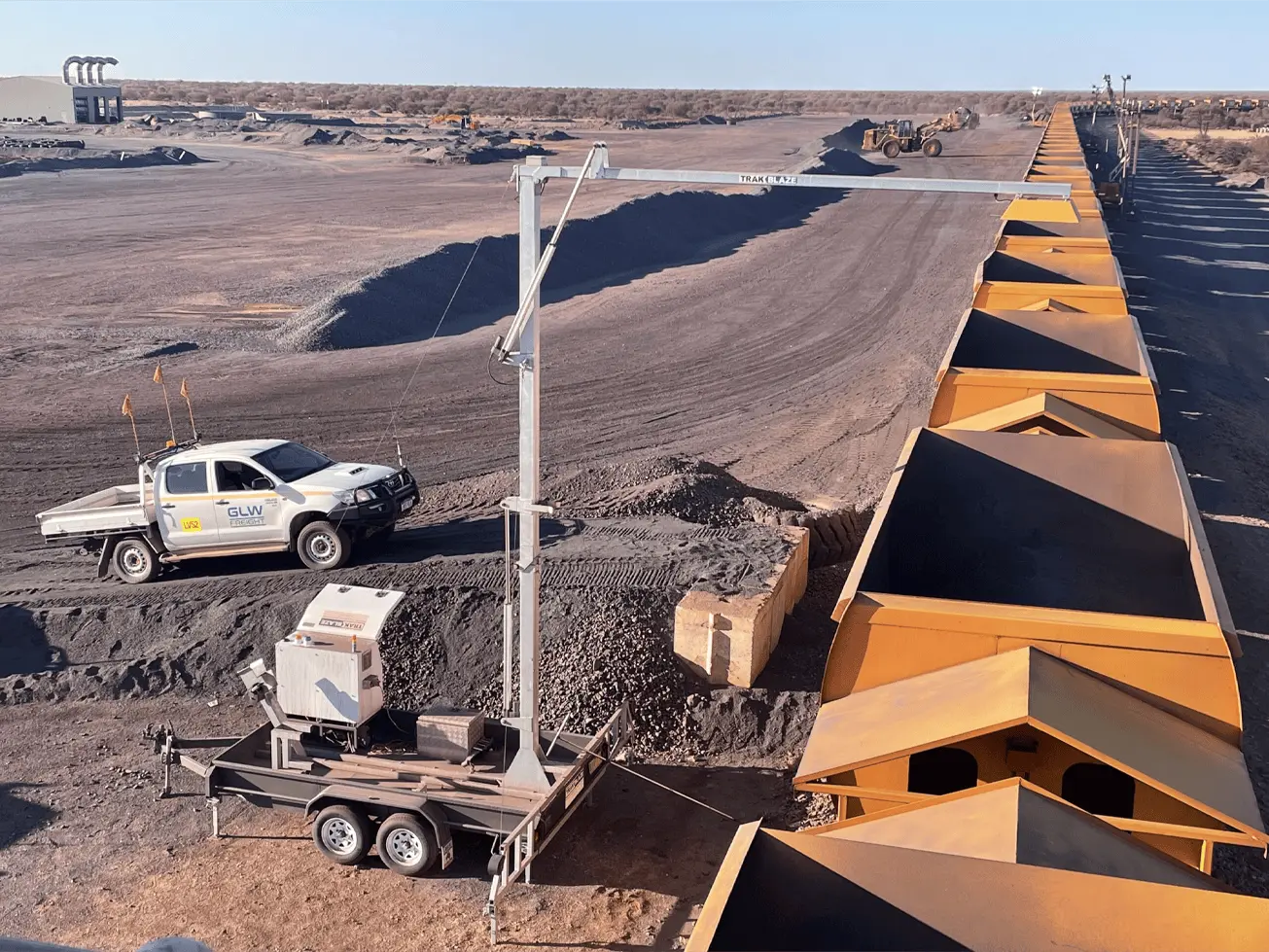
Overloaded wagons increase wheel-rail impact force, leading to excessive railhead wear. When loads are within limit, the contact stresses remain stable, preventing the rapid metal loss that occurs with overloaded or uneven wagons.
Likewise, properly adjusted axle weights help protect sleepers from cracking under overload. Heavy, unbalanced loads transmit sharp, repeated shocks into the sleeper structure, but weighing loads correctly prevents these high-force impacts. As a result, operators reduce metal fatigue in track components and extend the permanent way’s overall lifespan.
Maintains Track Geometry and Ballast Stability
Track geometry relies heavily on even load distribution. When wagons are accurately weighed, the forces applied to the rails are symmetrical, reducing the risk of misalignment, gauge widening, or twist faults. Precise weighing ensures that no single axle places abnormal pressure on the track.
It also protects ballast from being crushed or moved under heavy, uneven impact. The stone foundation performs best when loads remain predictable, and weight control helps preserve cant, gauge, and vertical alignment over long periods.
Protects Road-Rail Level Crossings
Level crossings are particularly vulnerable to overload damage because they combine road and rail components in a single structure. Preventing overloaded trucks and wagons reduces deformation in rubber panels, steel crossing plates, and concrete aprons. An accurate weighing system helps ensure these elements are not subjected to stresses beyond design limits.
When vehicles comply with axle load standards, the surface layers remain intact, and transitions remain smooth. This significantly lowers safety risks for both road users and rail traffic at shared intersections.
Why Accurate Weighing Is Critical for Aviation Safety
Aviation pavements work under tight safety margins. Extra weight, whether from aircraft support vehicles or cargo operations, can quickly lead to structural failures. Here is how precise weighing keeps aviation surfaces intact and operational.
- Avoid Runway and Taxiway Surface Damage: Runways and taxiways have specific design load limits, not the heavy pressure from overweight ground vehicles. When axle loads exceed design limits, rutting, cracking, and asphalt deformation occur in busy areas. Accurate weighing stops overweight vehicles before they operate airside, preserving surface integrity and reducing the need for early resurfacing.
- Reduces FOD Risks From Surface Breakdowns: Surface failures from overloaded vehicles often result in small pavement pieces breaking off. These fragments can become dangerous Foreign Object Debris (FOD). Even minor chips can harm aircraft tyres, engines, or fuselage. Keeping all airside vehicles within safe weight limits reduces the risk of breakdowns, helping create a safer environment for aircraft operations.
- Protects Airside Service Roads and Apron Areas: Cargo loaders, fuel trucks, and other GSE vehicles place substantial stress on apron pavements when operated at loads above approved limits. An accurate weighing system prevents these vehicles from exceeding limits, reducing infrastructure strain and extending the lifespan of critical airside service roads.
Whether it’s preventing early road failures, protecting bridges, maintaining rail track geometry, or preserving runway pavements, keeping loads within design limits reduces stress throughout the network. By managing axle weights and ensuring proper load distribution, operators can extend asset life, improve safety, and significantly reduce maintenance and rehabilitation costs.
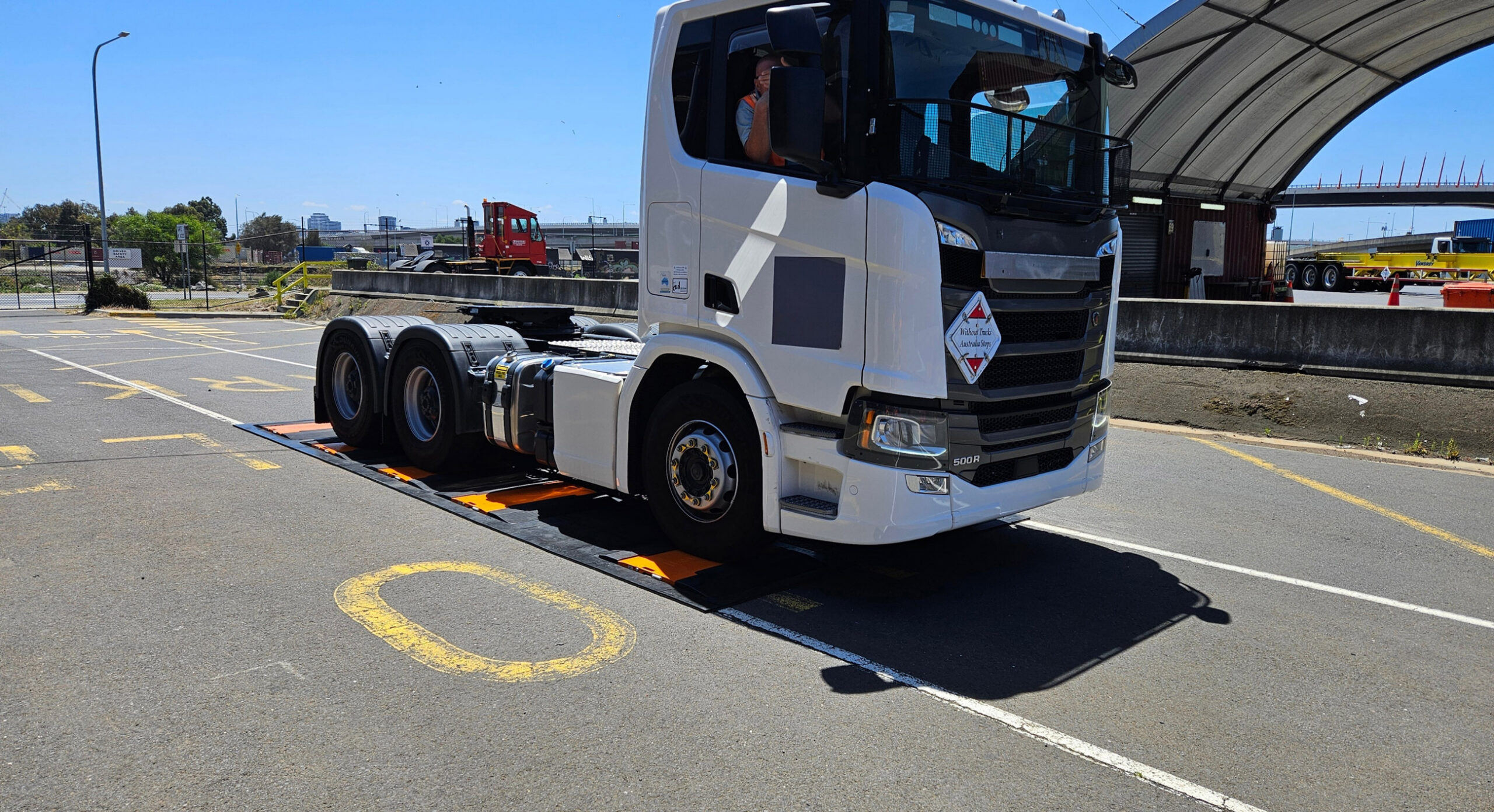
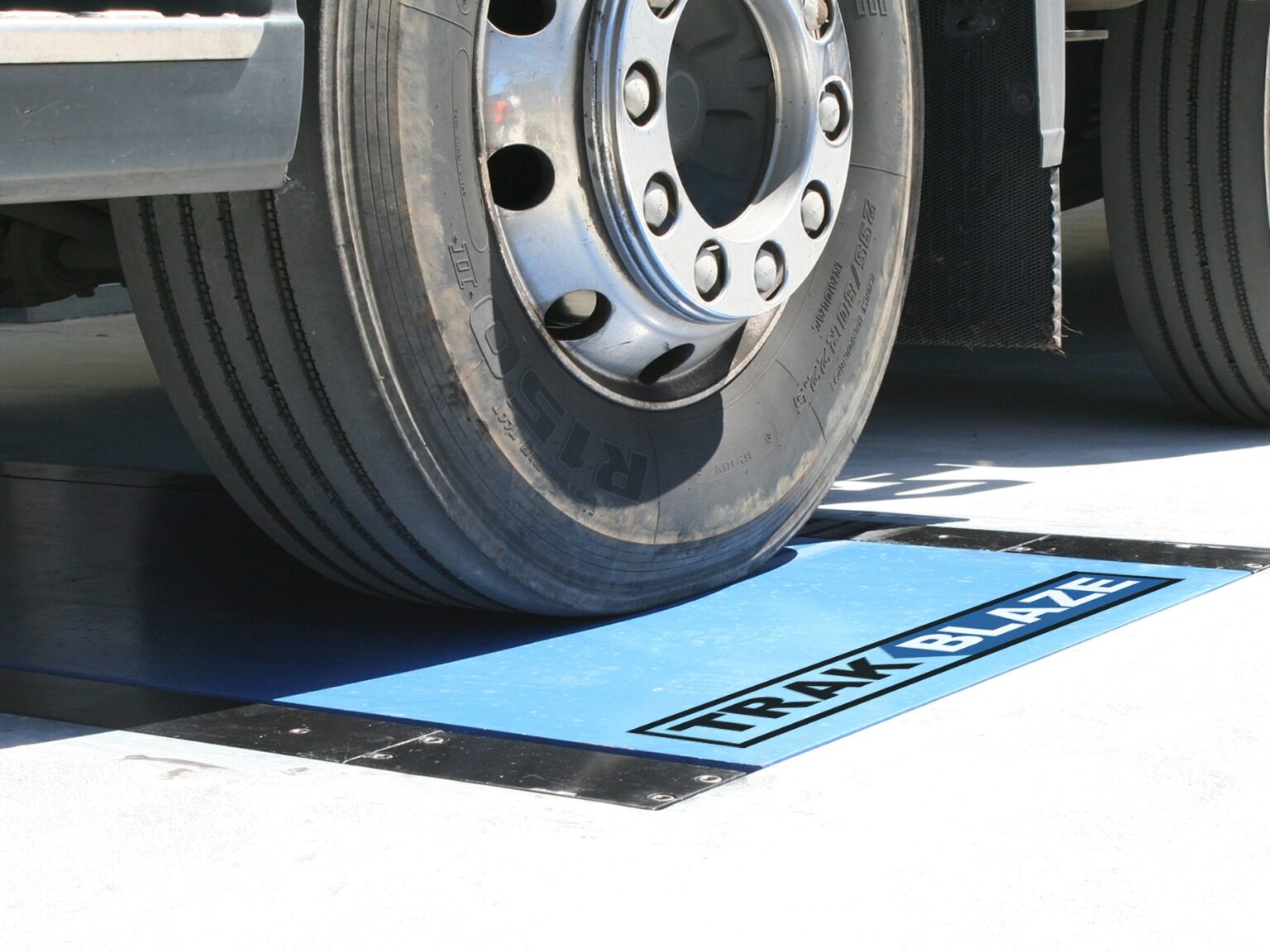
For road and freight operators, Trakblaze provides high-performance Weigh-In-Motion (WIM) systems, such as the FORCE1 Truck Axle Scale. These systems detect overloaded vehicles in real time without stopping traffic. Those who need flexible weighing equipment for rail operations can also use portable and fixed solutions like MTW, Trakmate, and Infinity. This makes it simple to select a solution based on site layout, traffic volume, or enforcement needs.
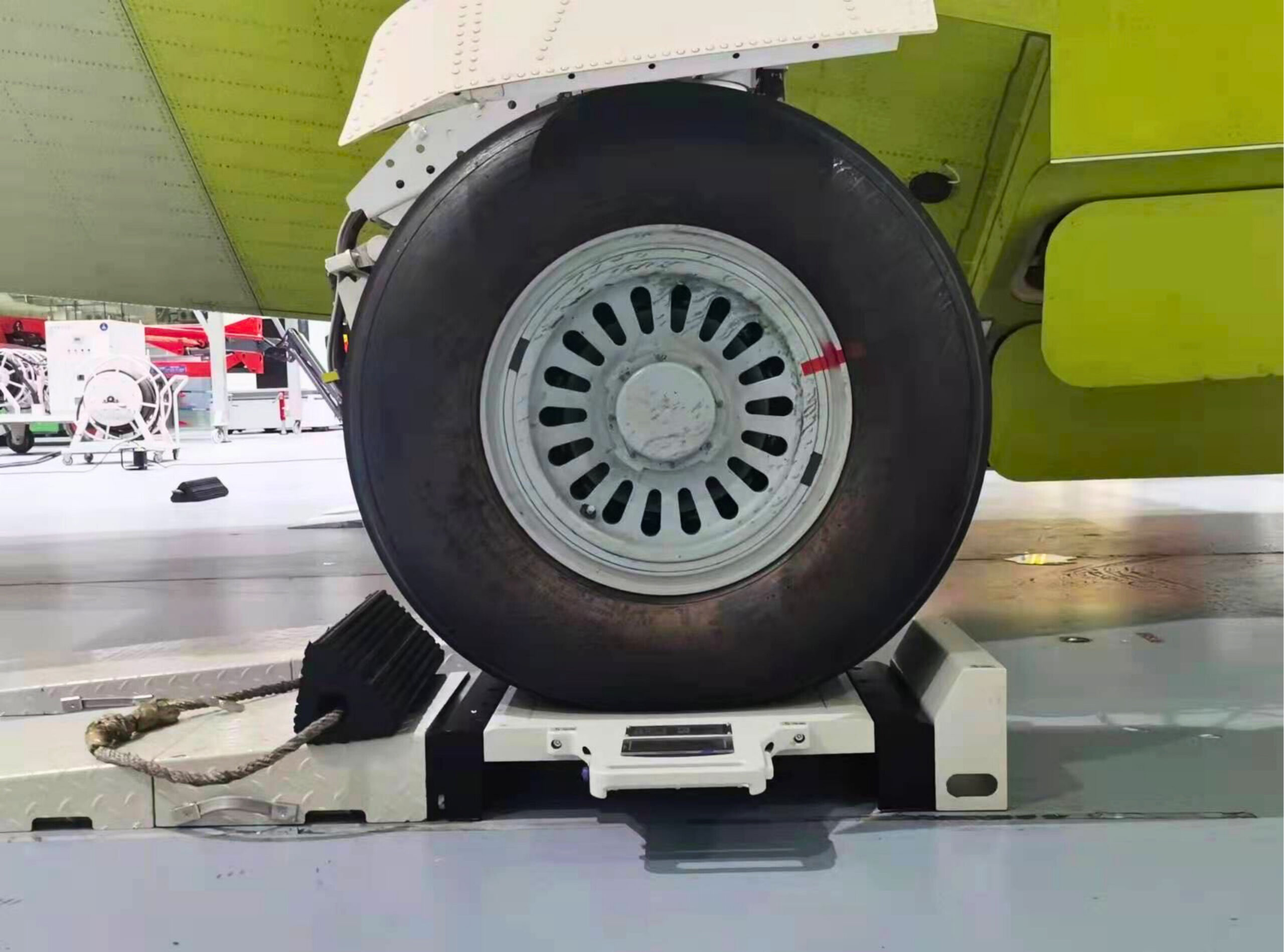
Trakblaze also supports aviation operators through the AVIATOR Portable Aircraft Weighing System. It is designed to maintain safe loading practices across runways, taxiways, and apron areas. Combined with advanced data integration tools, these weighing solutions enable smarter enforcement workflows and long-term infrastructure planning.
Reach out to Trakblaze, a trusted provider of weighing solutions across road, rail, and aviation networks. We help operators protect infrastructure, improve compliance, and keep transport operations running safely and efficiently.
FAQs
How often should weighing systems be calibrated to maintain long-term accuracy?
Weighing systems should be calibrated typically every 6–12 months, depending on usage, environmental conditions, and regulatory requirements. Weighing systems operating in high-volume or harsh environments may require more frequent checks to maintain consistent accuracy.
Can accurate weighing help predict which routes or transport assets are most at risk of future damage?
Yes. Accurate weighing generates load-pattern data that helps identify routes experiencing repeated overload stress. By analysing these trends, operators can pinpoint which roads, bridges, or track sections are most vulnerable to future damage and plan maintenance accordingly.
How do different transport modes coordinate weighing data to manage shared infrastructure?
Different transport modes coordinate weighing data by using standardised data formats, shared digital platforms, and interoperable systems. This allows road, rail, and air operators to exchange accurate loading information and manage shared infrastructure more effectively.